


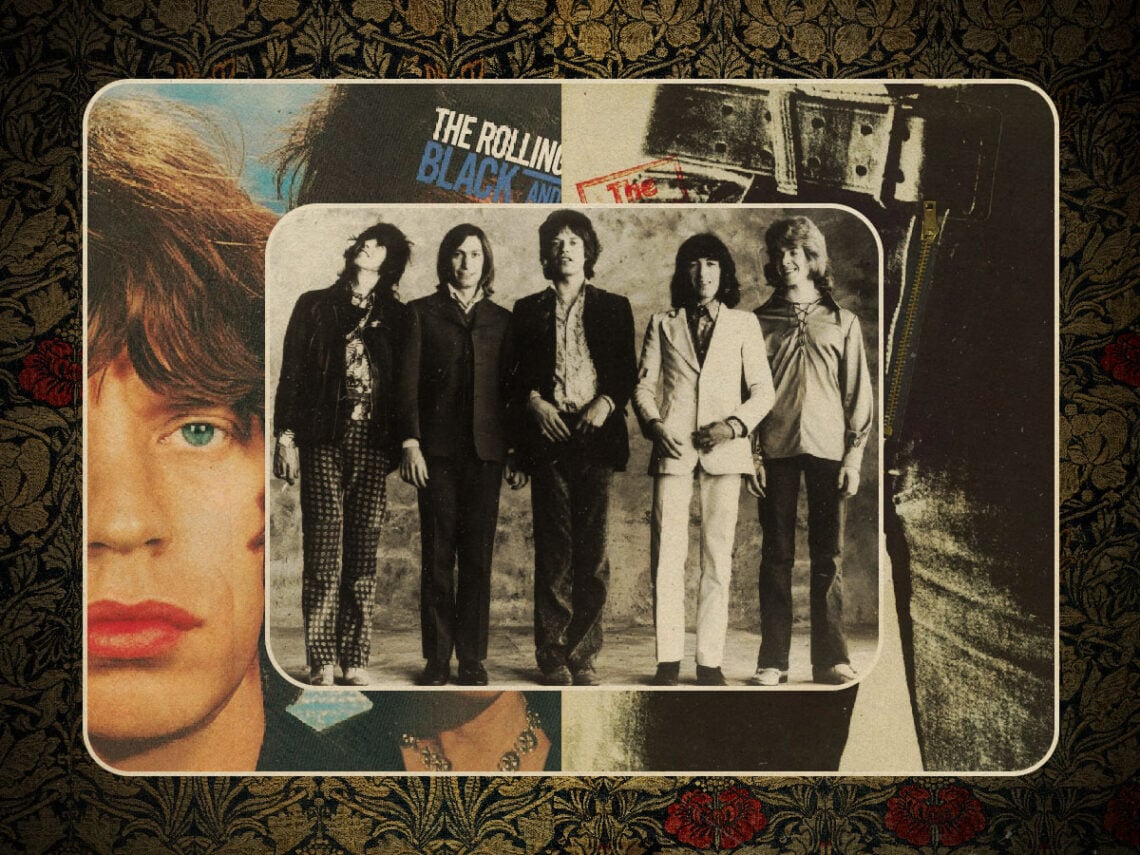
The five highest-selling Rolling Stones songs from the 1970s

There’s an irony to the success of The Rolling Stones that only becomes clear once you dig through their greatest hits of the 1970s.
Because at a glance, The Rolling Stones were the definitive band of the decade. In an era free of The Beatles’ domination and one that championed the liberated hedonism that they embodied, it was a decade destined to be theirs. But a quick flick through their greatest hits tells somewhat of a different story, and reminds you just how longstanding their presence in music is.
It began in the 1960s, when they finally shook themselves loose of the cover songs they garnered fame for and started writing their own material. Their mid-60s haunting blues rock anthems ‘Paint It Black’ and ‘(I Can’t Get No) Satisfaction’ became their two biggest hits of all time, proving that they were more than just a support act for The Beatles.
Then their third biggest hit, ‘Start Me Up’, came from the glittering 1980s, and so it begged the question, where were they in the ‘70s? Well, they were right there, of course, but delivering songs that existed in the wider lens of an album, as opposed to outright singles. Some Girls and Sticky Fingers acted as their biggest records of the year and strengthened their ability to write something more focused and longer form.
Unsurprisingly, their biggest-selling singles from that decade largely come from both of those records, and together, they highlight just how the band’s sound pivoted throughout the era. It started off with the gritty blues palette of Sticky Fingers, before shifting into the worlds of disco-tinged rock with Some Girls, but no matter what it was, it still landed the band at the very top of the charts.
The highest-selling Rolling Stones songs from the ’70s:
‘Fool To Cry’ (1976)
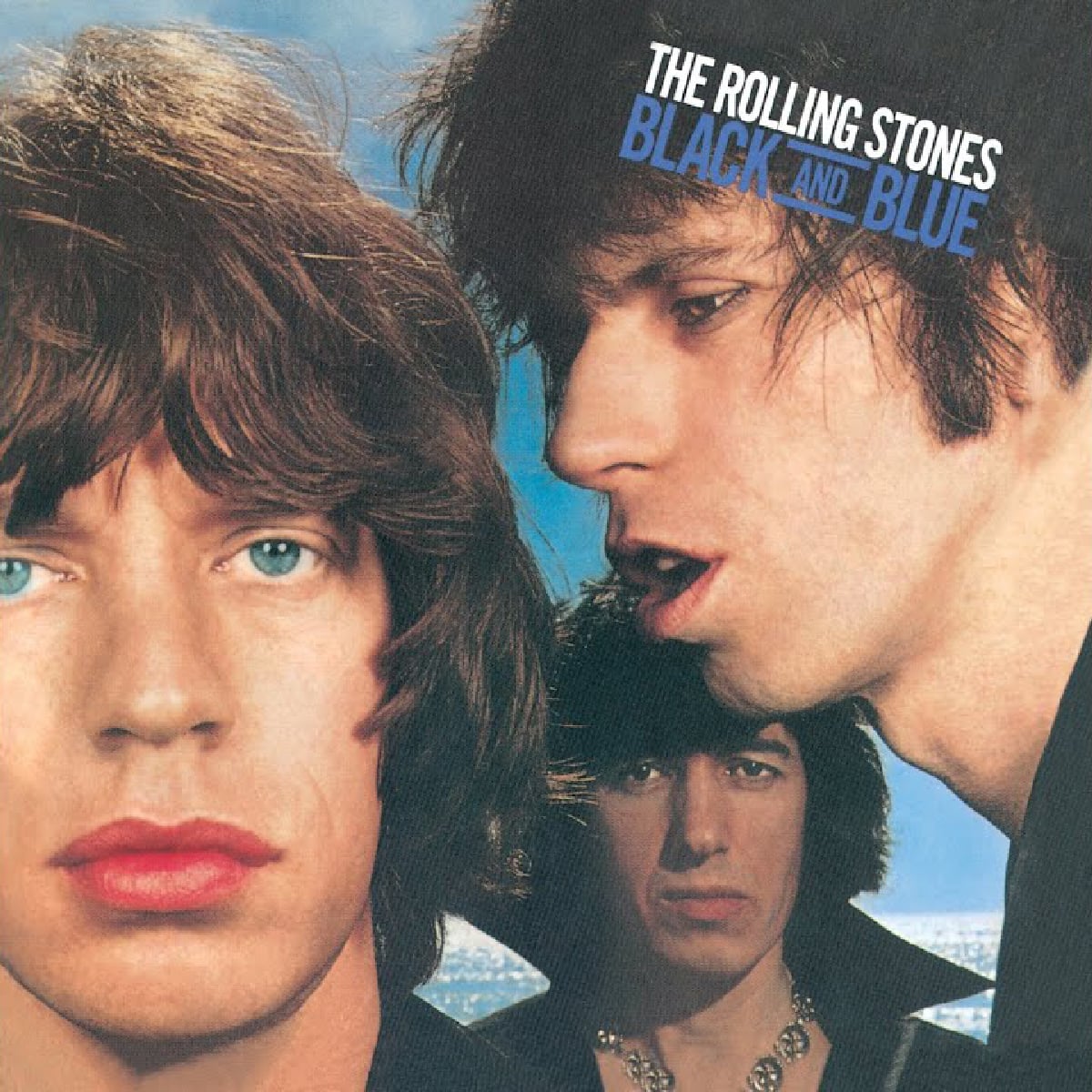
While the 1970s were a tale of two guitarists for the band, Mick Taylor in the early days and Ronnie Wood in the late, this track proved that the band could still achieve success without either member. Released in between the cracks of their careers on 1976’s Black And Blue, this track was recorded during a period of auditioning, where session guitarist Wayne Perkins performed on this.
It’s a stripped-back ballad that showed a different side to The Stones once again, and would have surely showcased the nuanced style he could have brought to the band, yet eventually, he was edged out by Ronnie Wood, who helped reaffirm the band’s royal rock and roll status. But for Perkins, ‘Fool To Cry’ isn’t a bad legacy to leave behind, with one million copies sold and a peak chart position of six in the UK.
‘Tumbling Dice’ (1972)
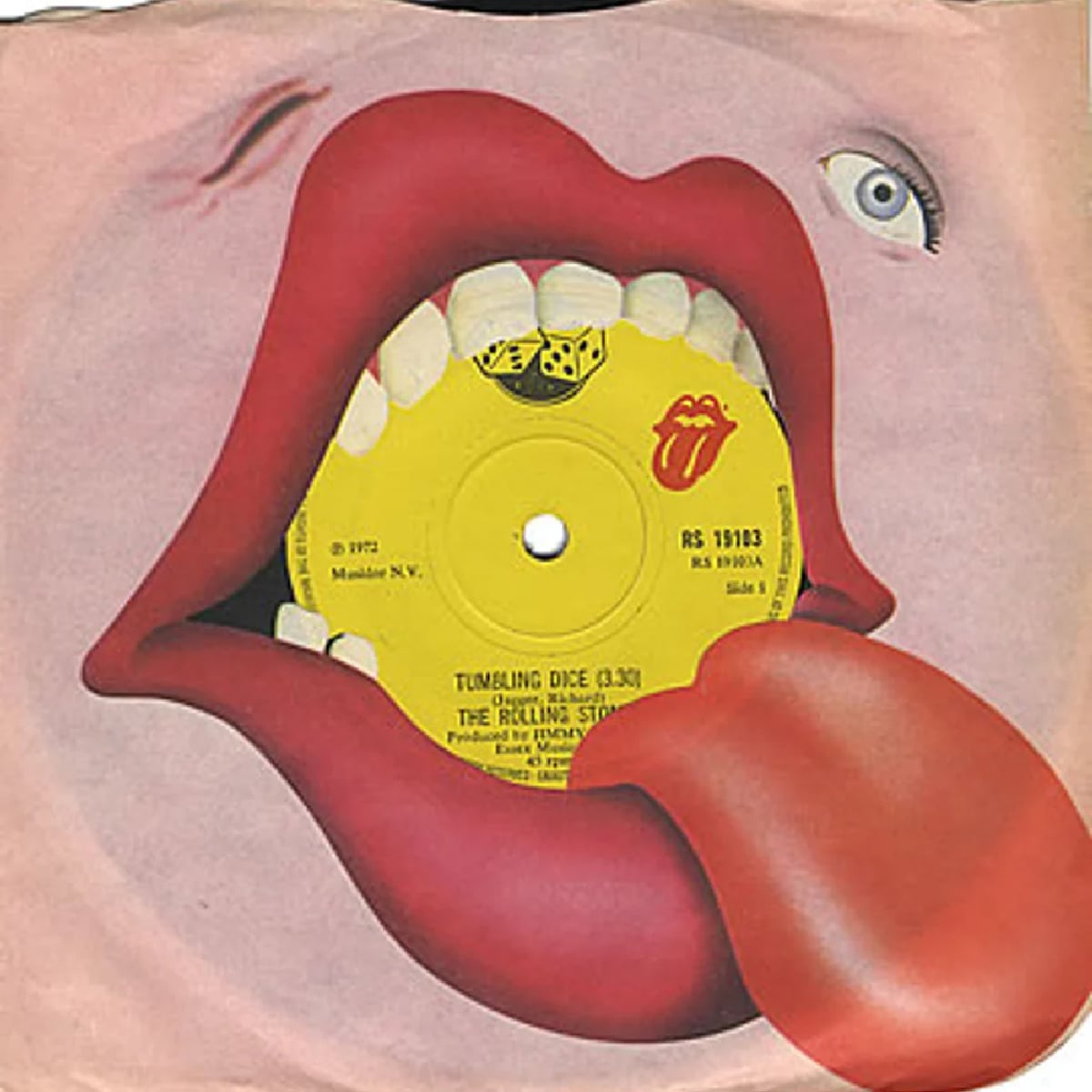
Taken from their 1972 album Exile On Main St, this was The Rolling Stones at their true blues rock best. Richards’ guitar was fast and loose, while Jagger’s vocals prowled over the top. From the moment they laid it down in the studio, the band knew they were onto a hit, as Jagger recalled, “It’s obviously the most accessible and commercial song on the record. After ‘Tumbling Dice’, I remember there wasn’t really a follow-up single. People said, ‘So, what are you going to release now then?'”
Ironically, the song didn’t chart as well as the singles they released from their follow-up albums, proving somewhat that the band had more in them. It peaked in the UK charts at number five, while only reaching number seven in the US and achieving a total of 1.25million copies sold.
‘Brown Sugar’ (1971)
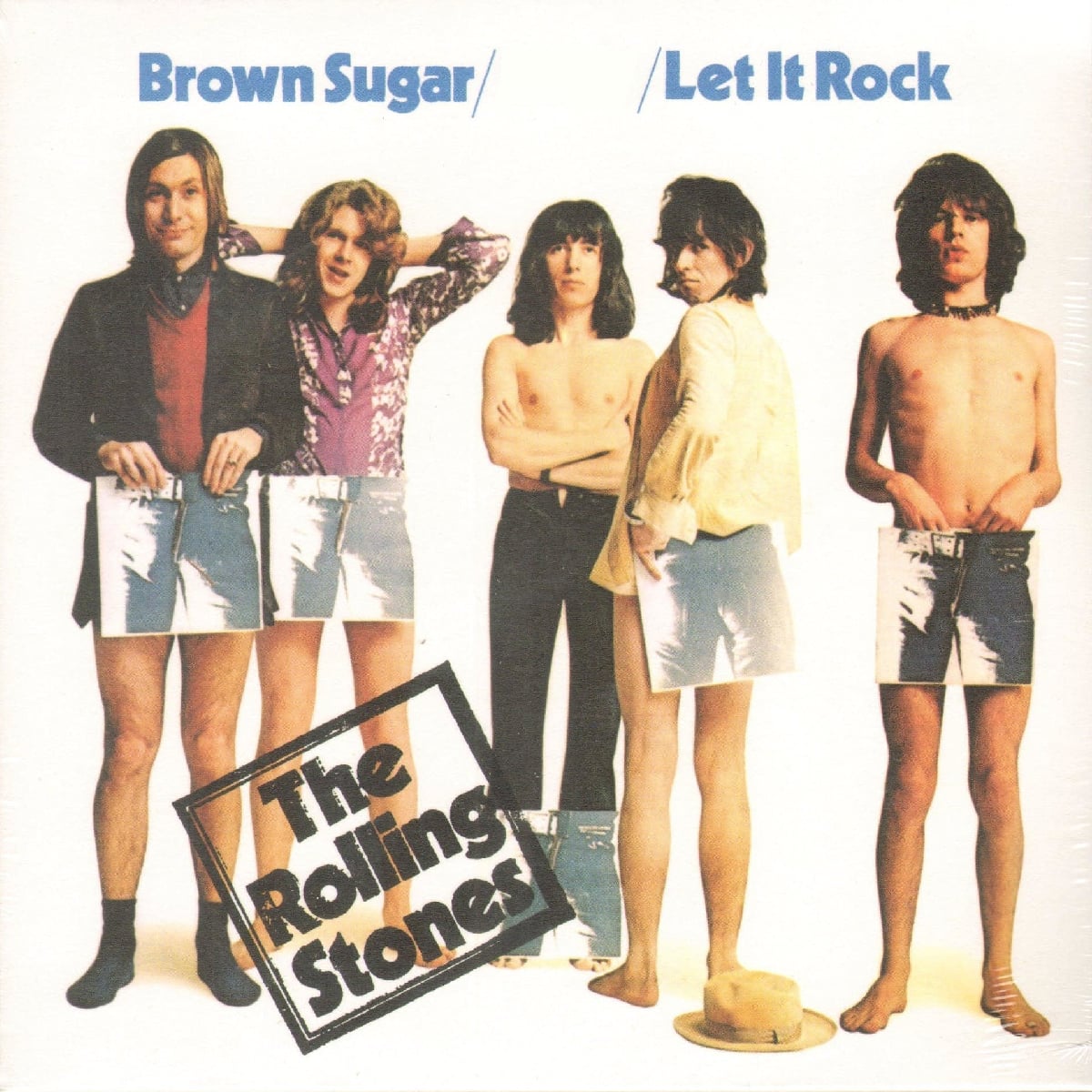
While sonically, this song showcased the very best of The Rolling Stones’ rock and roll sound on Sticky Fingers, it similarly reveals the very worst of their lyrics. Becoming somewhat immune to the repercussions of their elaborate sexual lives, Jagger felt comfortable penning vulgar lyrics about the African-American community, in a song that seems to glamorise slavery, heroin, cunnilingus and rape.
Its success in the charts is a rather sad indictment of society in the ‘70s, which, despite all of the liberation, still slipped into racial objectification. “I never would write that song now,” Jagger said, in an interview with Rolling Stone in 1995, adding, “I would probably censor myself”. Jagger is reminded of just how misguided his lyrics were because of the song’s continued success. Upon release, it hit number two in the UK charts and number one on the US Billboard charts, selling a total of 2.7million copies.
‘Miss You’ (1978)
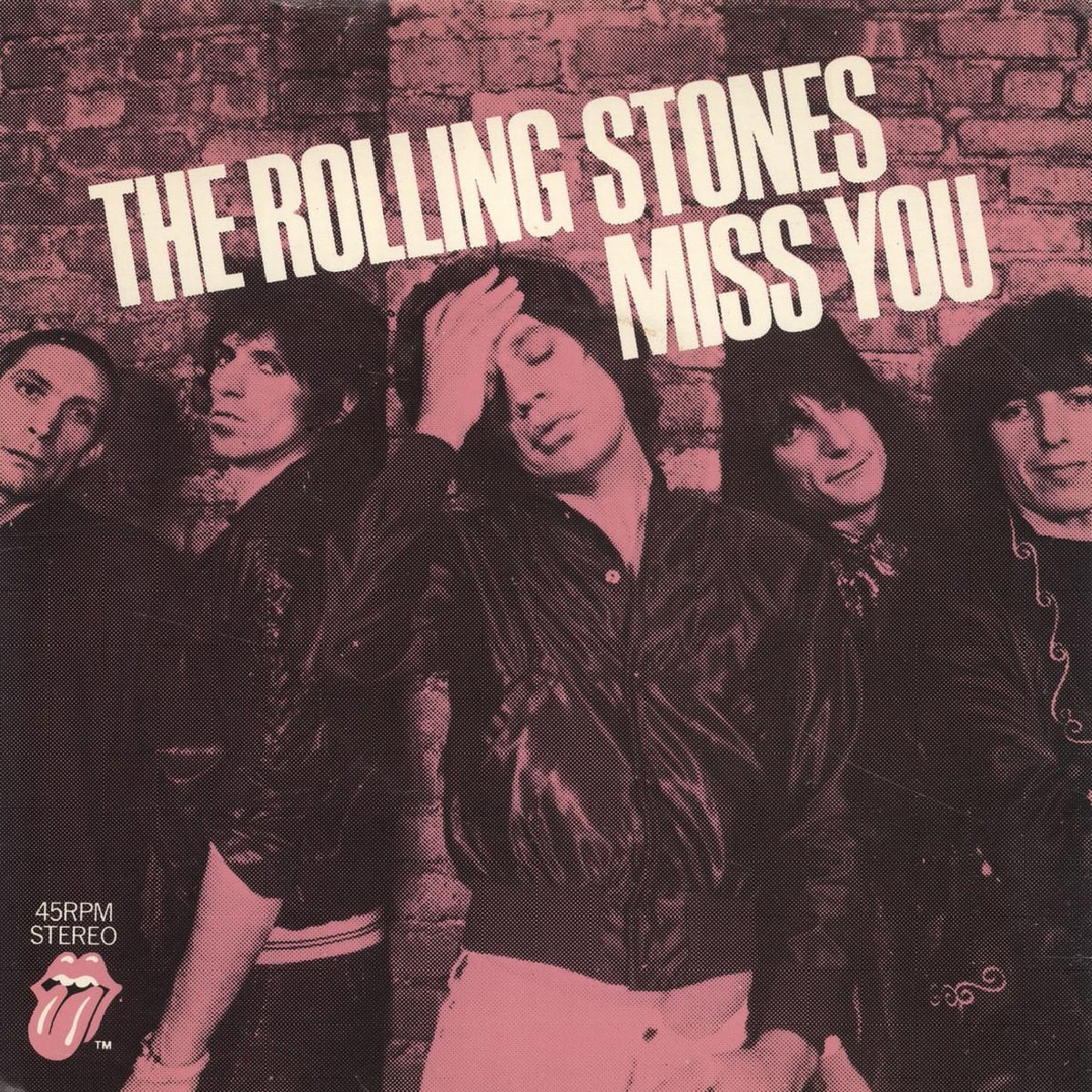
The lead single from their 1978 album Some Girls, ‘Miss You’ was a brazen disco-led statement from the band, and stepping forward into the limelight were Charlie Watts and Bill Wyman, who triumphantly provided this glittering new sound with their rhythm sections. As Watts admitted, “A lot of those songs like ‘Miss You’ were heavily influenced by going to the discos. You can hear it in a lot of those four-on-the-floor rhythms and the Philadelphia-style drumming. Mick and I used to go to discos a lot.”
It was a bold new era for the band, strengthened by the inclusion of Ronnie Wood who, together with Keith Richards, would platform The Rolling Stones’ success into the 1980s. The song hit the top spot in the charts in the US and made number three in the UK and reached gold status in the US, selling a reported 3.4million copies.
‘Angie’ (1973)
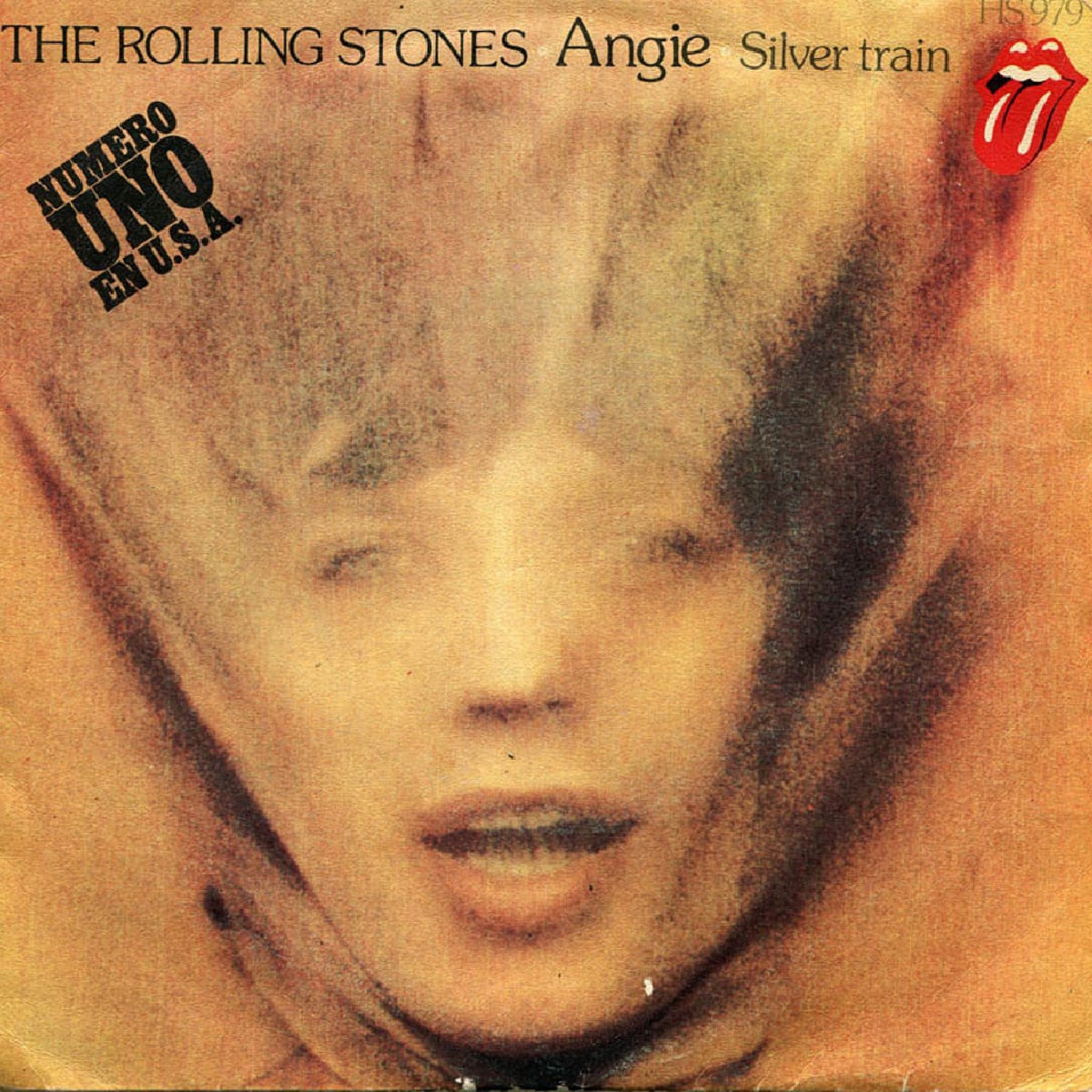
At times in the 1970s, The Rolling Stones began to reveal a few more strings to their bow, and their ability to pen a soft-rock ballad was one of them. Jagger turned down the intensity and glided on the melodies provided by Keith Richards, simultaneously proving themselves as one of the most interesting songwriting duos of the era.
Compositionally, this was The Stones at their most delicate, but lyrically, it was them at their most intriguing. The charts revelled in the somewhat salacious nature of this song and desperately tried to work out who the real ‘Angie’ was. Was it Keith Richards’ daughter? David Bowie’s wife? Or Marianne Faithfull? Speculation swirled around this song and ultimately added to its allure. It only hit number five in the UK singles charts, despite topping the US and Australian charts, and it also became their biggest-selling single of the decade, amassing a whopping 3.75million copies sold.
