


The five greatest songs from John Lennon’s ‘Plastic Ono Band’

Considering John Lennon practically invented the modern concept, along with his fellow Beatles, the fact he remarks his 1970 album Plastic Ono Band as “the best thing I’ve ever done” gives you some indication into how brilliant an album this might just be. He continued, “I think it’s realistic and it’s true to the me that has been developing over the years from my life.”
It wasn’t necessarily a sonic awakening that allowed Lennon to steer into realism. After all, he had just spent the previous five years being one of the most experimental musicians of all time and so his musical development wasn’t exactly jailed. But crucially for Lennon in 1970 this was an unfiltered opportunity for him to tell his story.
Right from the opening track ‘Mother’, you can hear that this is an outpouring of Lennon the human, not the artist. No longer bothered with esoterica and storytelling irreverance, this was about tapping into something only he could create within the confines of the studio and a solo project.
So it’s no wonder that he views it with such reverence. In fact, in our pursuit to understand the great man, the artist whose reality seems so far removed from ours and whose greatness is as mercurial as anybody who ever lived, maybe we should view it as the definitive Lennon record. The piece of work that allows us to know him better than any other.
In pursuit of that, where should we start? What five tracks from this 11-track masterpiece should we point our focus towards as we aim to dive headfirst into the world of Lennon? Well allow me to boldly take on that task, and provide you with them below.
‘Working Class Hero’

If anyone is best placed to warn you about the pitfalls of pursuing fame, it’s Lennon. Rambling on top of an almost country style melody, Lennon thrusts the listener deep into the pit of despair, where this false illusion of success exists and tells them exactly how it is. It’s a brilliant arrangement choice from Lennon, grounding the song in the sort of humility required to get his message across.
Despite its delicacy, it’s perhaps one of Lennon’s most scathing political songs to date, brutally critiquing ideas of societal class systems, indoctrination, and institutional power. But within that was a sense that Lennon was inspiring something within the heart of the listener, as opposed to triggering it. In doing so, he penned an anthem that could be either hyper-specific to the politics it addressed or subjective and universal, allowing any given listener to make it somewhat of a personal anthem.
‘Love’
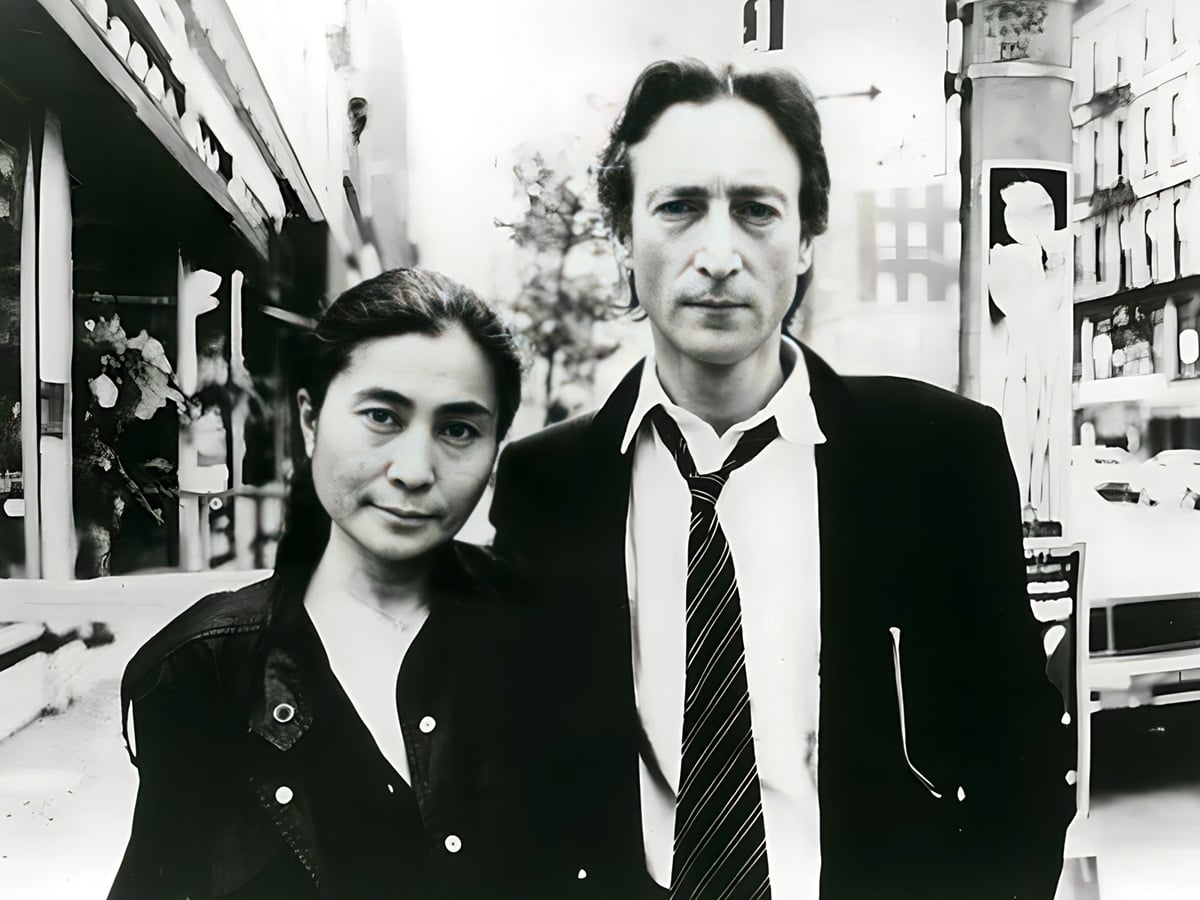
While Lennon had to step out of the shadow of his own band and discover himself more closely on Plastic Ono Band, there was no way he could have done that without Yoko Ono. She was an integral part in this new chapter of Lennon, acting as his romantic and spiritual muse, and so it was only right she was given a love song to boot.
The unsurprisingly titled ‘Love’ was surprisingly sparse given his propensity for throwing ideas at one track, combined with his clear undying love for Ono. But given the fact that both Lennon and Ono underwent primal therapy during the recording of this album, it’s no surprise that their love for each other can be expressed through something so ethereal.
Because despite its minimalism, the song succeeds in creating a sort of gut punch elemental sound through lightly played acoustic guitar, that perfectly displays the transcendental nature of love.
‘God’

If you want to understand just how limiting Beatlemania was for The Beatles themselves, then look no further than 1966 when Lennon’s flippantly described the band as bigger than Jesus. The outrage that was caused and Lennon’s subsequent apology, clearly displayed how the band and Lennon in particular were becoming prisoners of their own fame.
‘God’ is the sound of Lennon breaking out of that prison and expressing himself with his new found freedom. This time Jesus was joined by Buddha, Beatles, Dylan, Tarot, Yoga and anything within societal’s modern structures, as Lennon sought to rid himself of all belief structures. This was about shedding pressure and expectation, to simply find himself again and even without the lyrics, you can hear that so painfully in his vocal take.
‘Hold On’

While on his own, it seems as though Lennon was really mastering the art of sparse instrumentation. Doing away with the textural experimentation of what came before and instead putting his faith in a tremolo guitar, bass, drums, Lennon was proving the simplicity of his ideas were what made him an incredible songwriter.
Lyrically it fits perfectly into the albums overarching themes of vulnerability and self-reassurance, but with a sort of universality to it that helped make it a pop number. But while for the most part, this record feels heavier and emotional, little embellishments of absurdity, like his Cookie Monster inspired exclamation of “cookie!” don’t feel out of place and ultimately, add to the enduring charm of this record.
‘Mother’
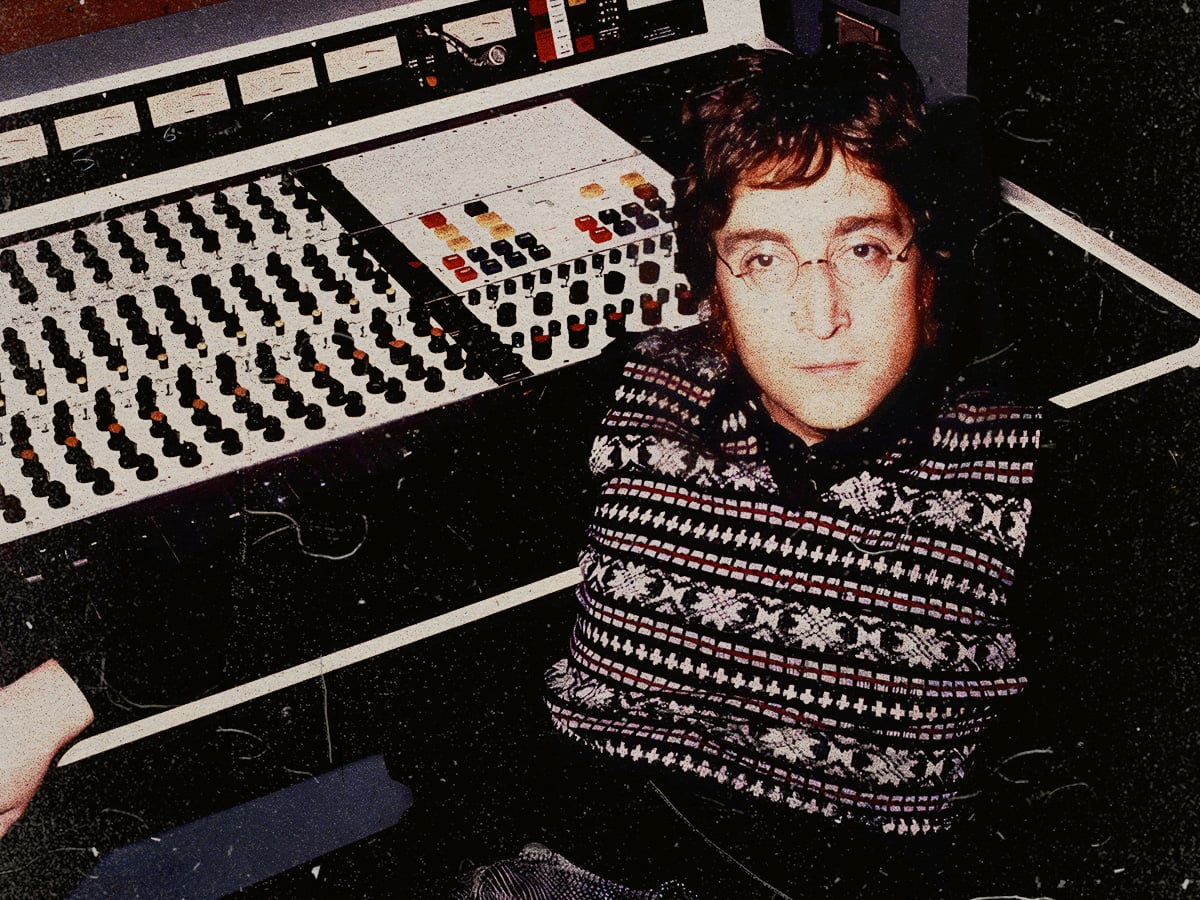
Let’s talk about that opening track then shall we? It’s a painstaking opening to the record that unflinchingly puts the listener into his inner sanctum, making it quite clear that the music following this is going to be painfully intimate.
After exploding into global fame and almost having his adolescence robbed away from him, it seemed there was little to no time to ruminate on the pain of his upbringing. When Lennon was just 18, his mother tragically died in a car crash in 1958, a brutal event that was swept under the carpet amidst Beatlemania.
Now, on his first solo record, the pain of that bleeds onto this opening track, which almost sounds as though its crying through the slow drum beat that lays at the foundation. On top, Lennon’s voice is as good as it’s ever been, showing both its technical and emotional range, putting him into a place of unfiltered vulnerability.

Never Miss A Beat
The Far Out Beatles Newsletter
All the latest stories about The Beatles from the independent voice of culture.
Straight to your inbox.