


The five greatest basslines ever made, according to Geddy Lee

Throughout history, a series of iconic figures within the music industry have grown synonymous with their instruments: Jimi Hendrix and his guitar, Elton John and his piano, even Joni Mitchell and her dulcimer, and Rush’s leading man, Geddy Lee and his bass.
The mind’s eye image of the long-haired Canadian is married to one of a gargantuan bass. He grew attached to the instrument the moment that he first learned to play his first song on one, even though he can no longer remember the song in question.
Nevertheless, he has been a bass obsessive ever since, with his ear naturally tuned to the rhythm of classic rock. Once offering a unique insight into the instrument that he holds so dear, the singer once revealed his five favourite bass songs of all time, providing every bass enthusiast with a priceless insight.
Rush, of course, are famed for their musicianship. The band’s complex compositions often allowed them to really open up on lyrical themes of science fiction, fantasy, and wider philosophies. As well as being serial innovators on stage, Geddy Lee’s nose for an unbelievable bassline drove a lot of this.
“I can’t remember the first song I learned to play on bass, but the first song I learned to play on guitar was ‘For Your Love’ by the Yardbirds,” Lee once reflected on his early days in music. “That kind of was the beginning for me. I thought it was a great song, and I loved the open chord progression at the beginning of that song.” From there, of course, he didn’t look back.
So when Rolling Stone asked the man himself to pick his five favourite bass-driven songs of all time, he offered a peek behind his creative curtain. Lee, who conducted the interview ahead of the release of his new book, all about the instrument called, Big Beautiful Book of Bass, was in a reflective mood about those pioneering musicians who helped shape his creative vision and championed his pick for the perfect handful of the greatest basslines ever written.
Geddy Lee’s five favourite bass songs:
The Who – ‘My Generation’

First up is The Who’s teen anthem, ‘My Generation’, which was first released in 1966. There are countless songs from the era that helped to shape the cultural shift experienced in the 1960s, but perhaps none hit as hard as this number. It’s often been said – even by Pete Townshend – that John Entwistle effectively operated at the group’s lead guitarist, and that is perfectly clear with the way he melodically thumps to the foreground here.
Arguably, The Who’s most recognisable hit, ‘My Generation’ is widely regarded as one of the greatest rock and roll songs of all time, and John Entwistle’s bassline comes in for high praise from one of the best. Few have ever matched up to ‘The Ox’ and his powerful style, and while Lee has frequently shared his appreciation for The Who’s four-string maestro, this track is often forgotten as one of his finest moments.
Discussing the track, Lee told the magazine: “Seriously? A Pop song with bass solos? John ‘The Ox’ Entwistle was arguably the greatest rock bassist of them all, daring to take the role and sound of the bass guitar and push it out of the murky depths while strutting those amazing chops with his own kind of ‘Twang!'”
Cream – ‘Crossroads’ (Live)
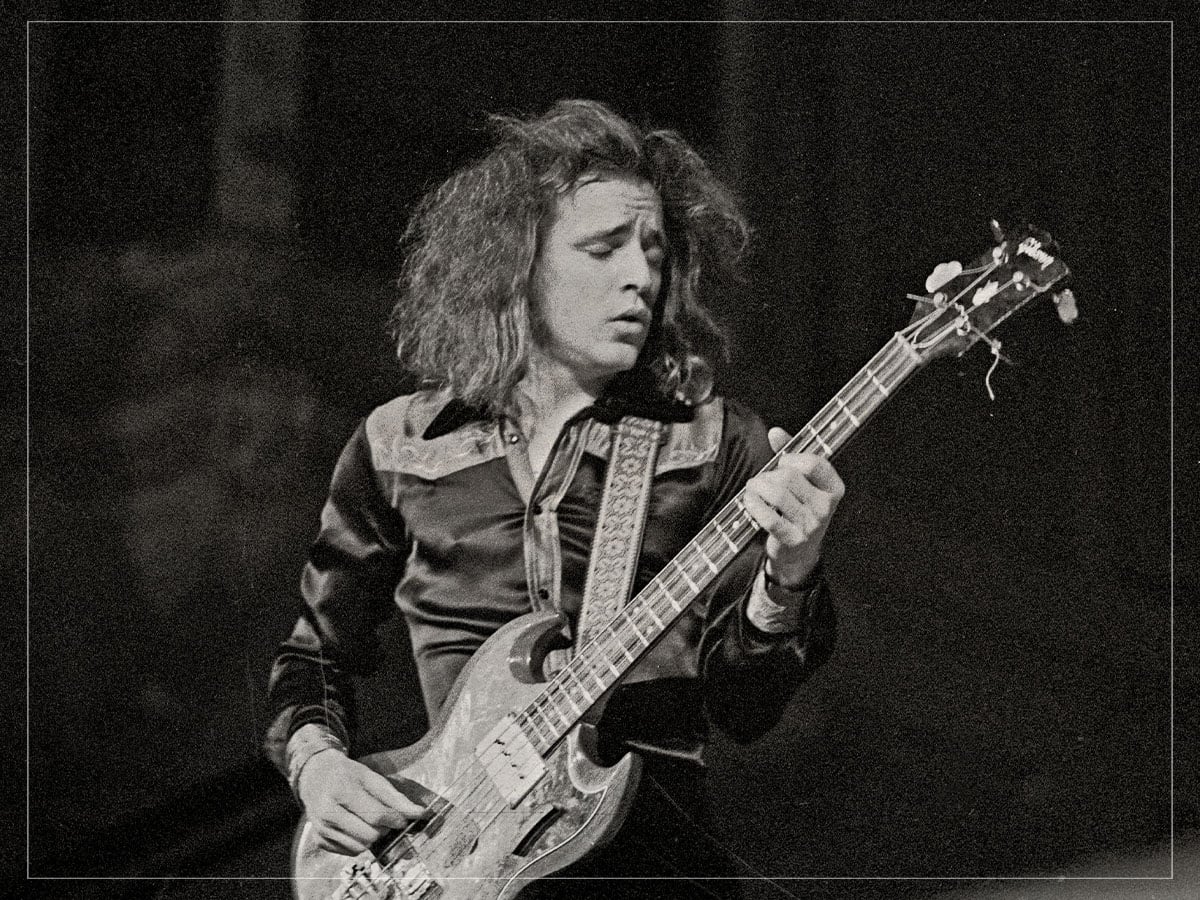
For a serious musician like Lee undoubtedly is, Cream must represent one of the peaks of the rock and roll generation. A super group like no other, they delivered a short but sweet set of songs that helped to transform the lives of millions of music lovers. Considering Eddie Van Halen also cites these live jams as expositions of the greatest guitar playing ever, you get a good idea of the level of musicianship on display.
Lee admits that the legendary Jack Bruce was a big influence on him: “Having seen Jack Bruce roam wildly up and down the neck of his Gibson EB3 in concert, I can testify that it not only made me want to play bass but play bass in a rock trio.”
‘Crossroads’ by Cream, which was originally recorded by the blues musician Robert Johnson in the 1930s, would become a staple of the rock band’s live set. “Cream was a shambling circus of diverse personalities who happened to find that catalyst together,” Eric Clapton said in a statement after a previously unreleased live version was unearthed.
“Any one of us could have played unaccompanied for a good length of time,” he added. “So you put the three of us together in front of an audience willing to dig it limitlessly, we could have gone on forever… And we did…. just going for the moon every time we played.”
Well, it certainly did the trick for Geddy Lee and has since become one of the most emblematic tracks of the 1960s.
Led Zeppelin – ‘What Is and What Should Never Be’

Up next is the songwriting duo of Jimmy Page and Robert Plant with Led Zeppelin’s 1969 effort ‘What Is and What Should Never Be’. It’s hard to think of a band who weren’t influenced by the towering presence of the British quartet. Their ability to traverse across the boundaries of genre and create a racket like no other endeared Led Zeppelin to swathes of listeners on both sides of the Atlantic, including the members of Rush.
The group have separately shared their appreciation for the group, Neil Peart called John bonham one of his favourite drummers while Alex Lifeson put many of their songs among his essential lists. Lee suggests: “There are so many songs I could choose from Zep that feature profound but understated bass playing,” and admits, “This one is my fave.” The band’s bassist is too often overlooked, which is fairly reasonable considering the band contained Jimmy Page, Robert Plant, and John Bonham.
Lee appreciates the bassist, in particular: “The way John Paul Jones changes gear, holds down the heavy bottom, and adds terrific melody throughout the song. He is such a fluid player and all-around musical talent.” Thusly, Led Zep remain Lee’s number one band.
Yes – ‘Roundabout’
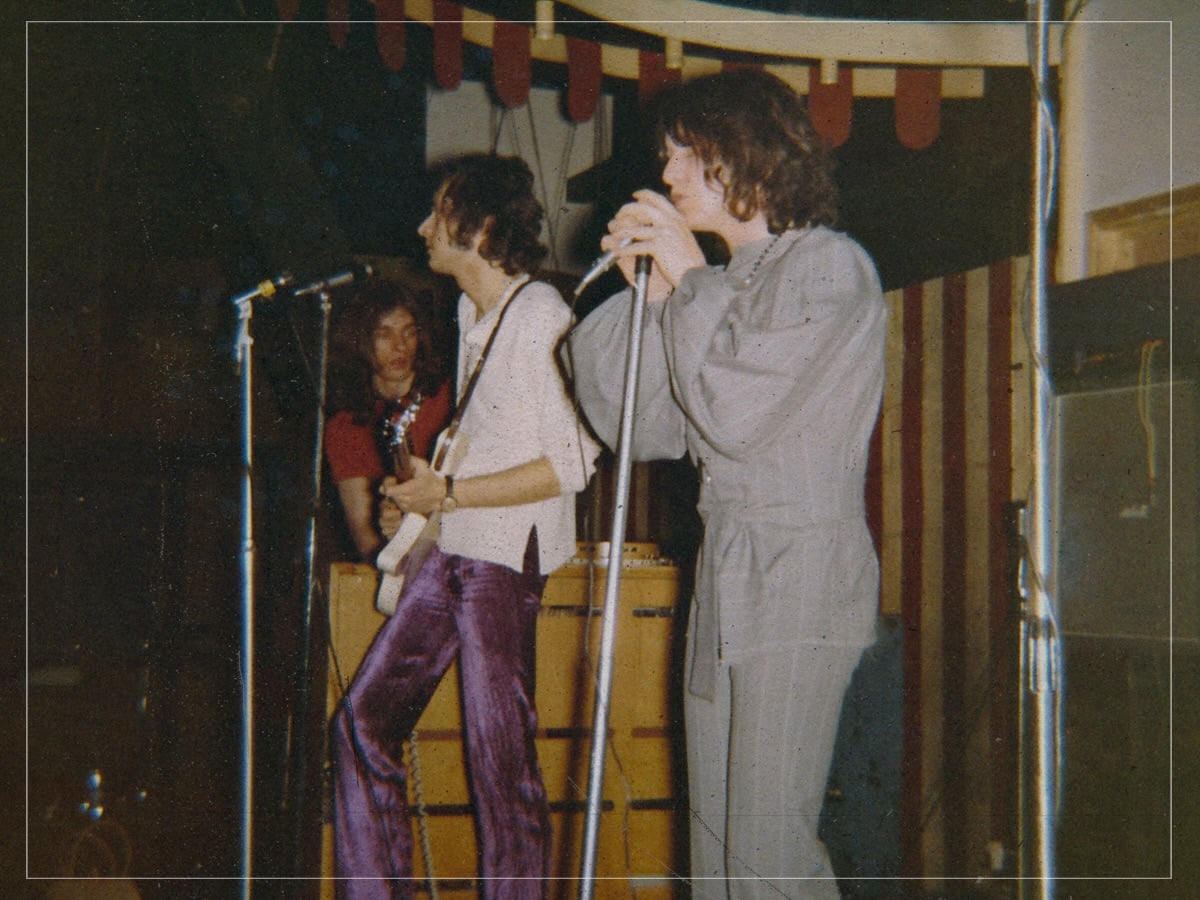
Fast-forward three years from Led Zeppelin. Enter Jon Anderson and guitarist Steve Howe from the progressive rock band Yes. They’re a game-changing group often overlooked but sitting side by side with Rush as one of the founding pillars of prog rock.
Like Led Zeppelin, Lee found a plethora of choices from the next band, Yes. He tells Rolling Stone: “I could have chosen any one of a dozen Yes songs that shows off the melodic and rhythmic genius that was Chris Squire. It was a pure privilege to play this song with Yes in 2017 at their (long overdue) induction into the Rock and Roll Hall of Fame.”
While a song about roundabouts may not sound like the most exciting number in the world, Anderson once explained how he had smoked marijuana during the trip “so everything was vivid and mystical”.
“It was a cloudy day, we couldn’t see the top of the mountains,” he added. “We could only see the clouds because it was sheer straight up… I remember saying, ‘Oh, the mountains–look! They’re coming out of the sky!'”
Weather Report – ‘Teen Town’
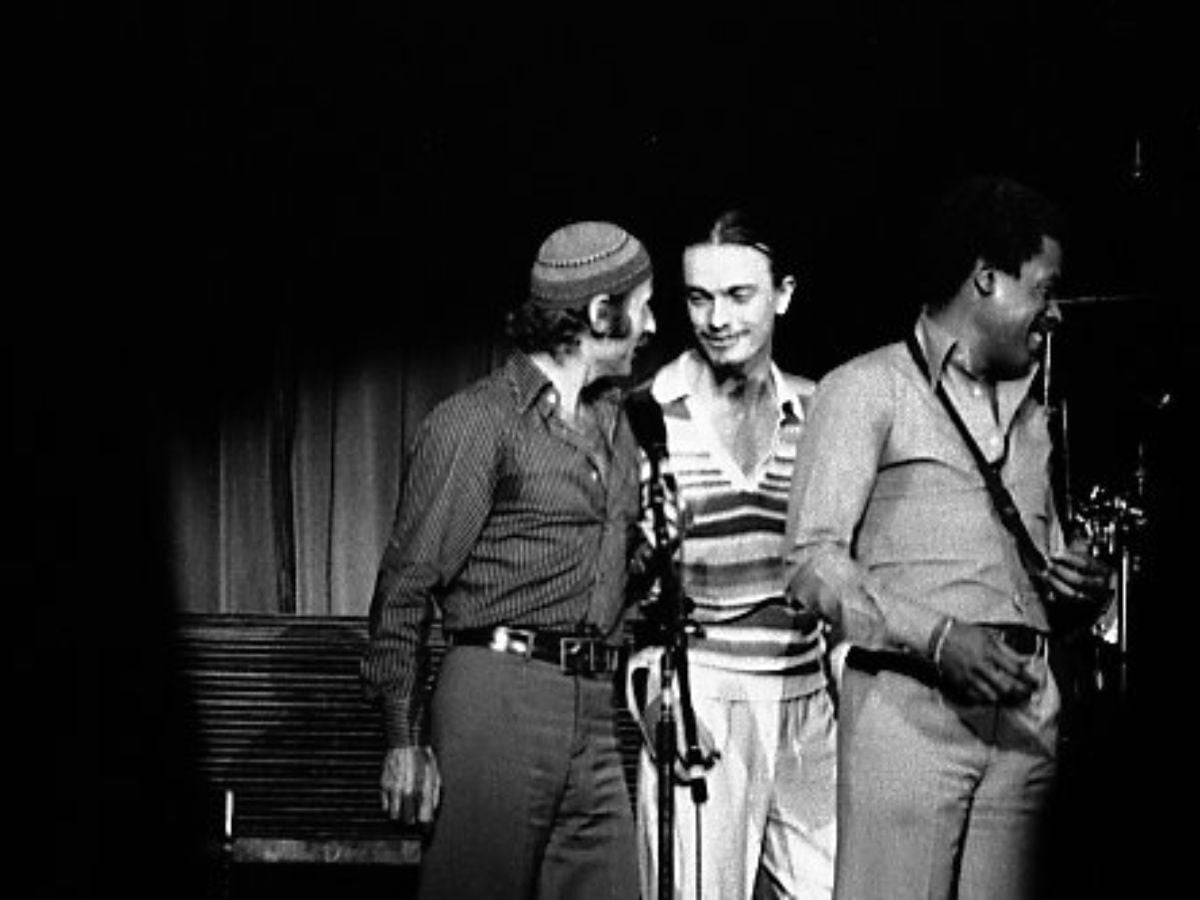
Given the focus on bass lines, there was perhaps no surprise when Lee turned his attention to the pioneering jazz fusion band Weather Report for his final choice. It showcases Lee’s love of the innovators in the music scene.
On his last selection, Lee reflects on the passing of some of the instrument’s greatest players: “Sadly, many of the bass heroes on this very short list are no longer with us. But no matter how short the list, Jaco Pastorius’ name would have to be on it.”
Lee picks Weather Report single ‘Teen Town’, which he says “has everything that Jaco’s genius stood for: profound complexity, incredible melodic structure, and terrific groove.” He’s not alone in this view with Joni Mitchell, Pat Metheny, and plenty of other musical icons crowning him the greatest bassist of all time.
