


The five best songs from Leeds’ original post-punk movement

The Mekons co-founder Jon Langford left the UK for Chicago back in 1992 and has been a vital part of that city’s music scene ever since, making it surprising for some locals to learn that he was, once upon a time, a pioneer of the British post-punk scene, not in London, nor in Manchester, but in the arguable birthplace of the movement: Leeds! Leeds! Leeds!
Having lived in both Chicago and Leeds myself, I can vouch for the fact that most people in the former aren’t even aware of the latter’s existence, let alone the bands it produced in the late ‘70s. Langford and the Mekons are the one unusual bridge between the two; however, a rare case of a cross-Atlantically transplanted band that effectively remained intact and devoted to a lot of the same principles they’d founded themselves on. Well, most of those principles, at least.
When the Mekons formed during their time as students at the University of Leeds in 1976, they were intent on freeing punk rock from its capitalist shackles once and for all. To make art truly for art’s sake, they decided that they wouldn’t record any of their songs, give any interviews, or allow any photos to be taken of the band. Whereas London’s punk scene was “business-oriented, major-label, and about being outrageous,” Langford later said, “In the North we didn’t feel a part of that. There was a licence to do what we wanted”.
Once the Mekons played their first gig to a great response, they started breaking some of their central tenets pretty quickly. A promoter invited them to record a single, and they said “yes” without much thought, ultimately releasing their 1977 debut ‘Never Been in a Riot’ as a snarky response to The Clash’s ‘White Riot’. John Peel played the song on his BBC radio show, and a subtle sea change was swiftly afoot.
“I showed up in art school the next day like Julius Caesar, the conquering hero,” Langford told the Chicago Tribune in 2004, chuckling at the memory, adding, “It was the first Leeds punk record that got played on the radio, and it was embarrassing, because the Gang of Four were a much better band than us, but they didn’t have a record out yet.”
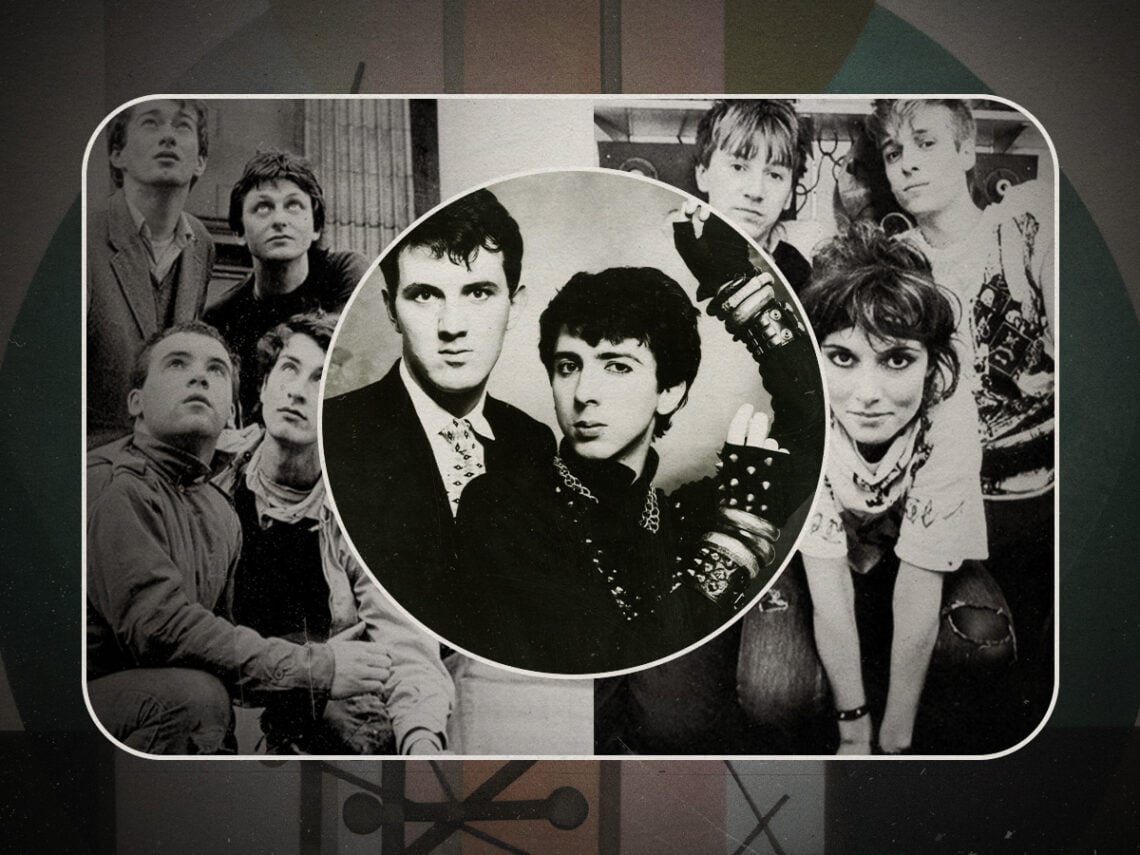
Soon enough, of course, the Mekons’ pals in Gang of Four, as well as a host of other exciting acts from the same emerging scene, such as the Delta 5, Scritti Politti, Soft Cell, Girls at Our Best!, Fad Gadget, and others, started making their own contributions to this weird, diverse, and less-agro response to first-wave punk; a new wave of rebellious and socially-conscious music that sometimes included jagged guitars and feminist manifestos, but also synthesisers, sex, and a sense of humour. A lot of it was born out of late-night discussions and jam sessions inside the Fenton Pub, which is still a fine watering hole in Leeds.
“I still don’t know why there isn’t a blue plaque in the Fenton,” Gang of Four frontman Jon King told the Yorkshire Post in 2022, noting that the pub was halfway between the campuses of Leeds Uni and Leeds Polytechnic (now Leeds Beckett University), bringing the two student bodies together, “It became the centre of progressive and left-wing and arty-farty musical people”.
Another four years on and there still isn’t a blue plaque in the Fenton, but at least the influence of Leeds post-punk has been getting a bit more appreciation in recent years. As Langford has said, the early recordings in the scene weren’t necessarily intended to sound as fresh and raw as they did, as the kids who recorded them just didn’t know any better.
“I thought there was some process that, once our songs made it onto vinyl, we’d sound like Slade or T Rex,” he said, “But we just sounded like us, these merry idiots who howled and ranted”.
The five best songs from Leeds’ original post-punk movement:
Mekons – ‘Where Were You?’ (original version, 1978)

The band’s second single after ‘Never Been in a Riot’ and a stronger tune, albeit still raw as hell. It personifies the mix of grit and bite, and playfulness and fun of the scene. Somehow, this track ended up in a Honda advert 40 years later, which Jon Langford understandably had trouble wrapping his brain around.
“We’ve been waiting to sell out for years,” Langford joked to the Glasgow Herald. “I had to contact everyone in the band to see if we could do [the commercial]. I thought everyone would think we were selling out, but in the end no-one really cared.”
Not only did no one really care, but it actually helped to attract a new legion of fans to the group.
Gang of Four – ‘Damaged Goods’ (album version, 1979)
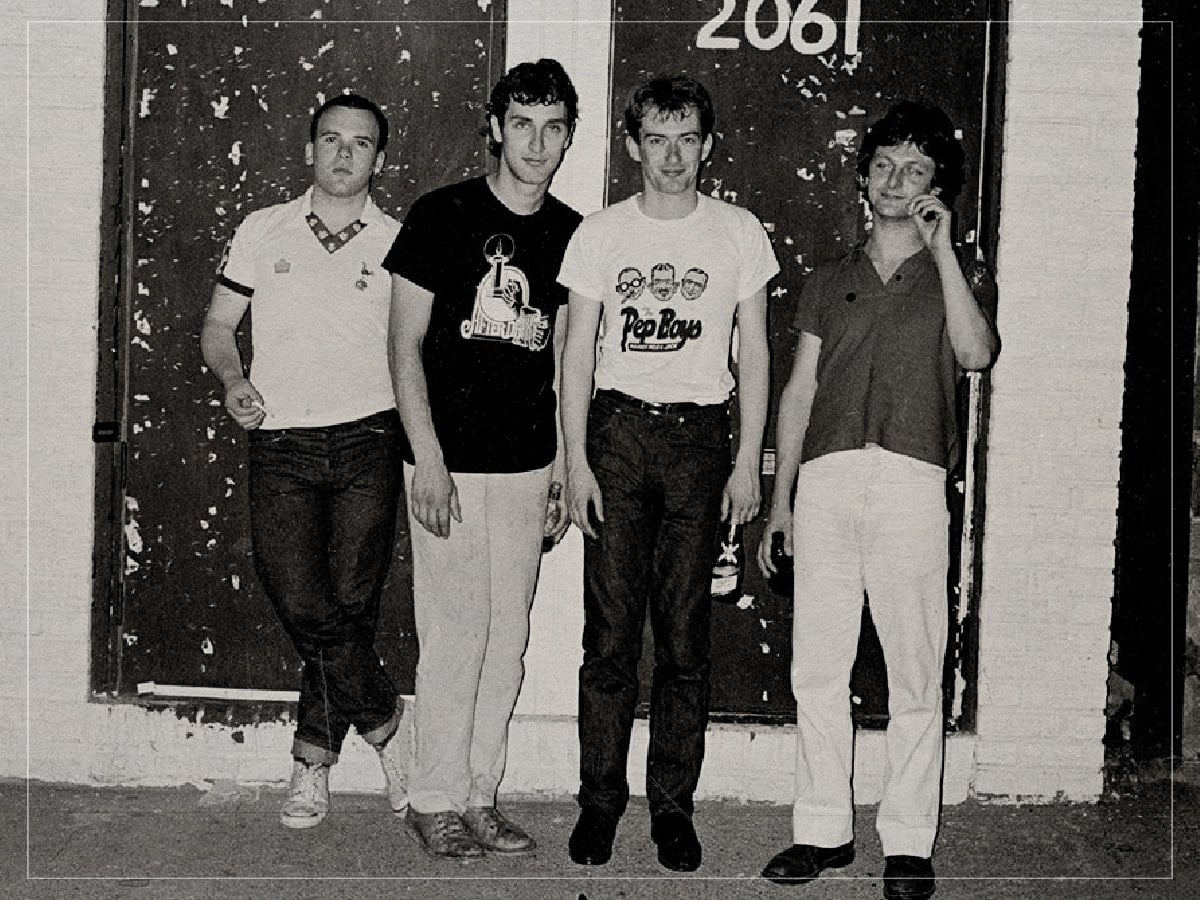
“I suppose one of the reasons that what we did then is still being talked about now is because it doesn’t really sound like anybody else,” Gang of Four‘s Jon King said, acknowledging that this was the tune that “opened the floodgates. . . . We brought funk to punk.” And the result was a danceable groove that still feels timeless and vital.
Whereas the original versions of the Mekons’ early songs are superior in a lot of ways to their later, more refined re-recordings, Gang of Four definitely improved on ‘Damaged Goods’ between its first release in 1978 and the version that came out on the band’s 1979 full-length debut, Entertainment.
The original had pep, the second was the undeniable future sound of post-punk.
Delta 5 – ‘Mind Your Own Business’ (1979)
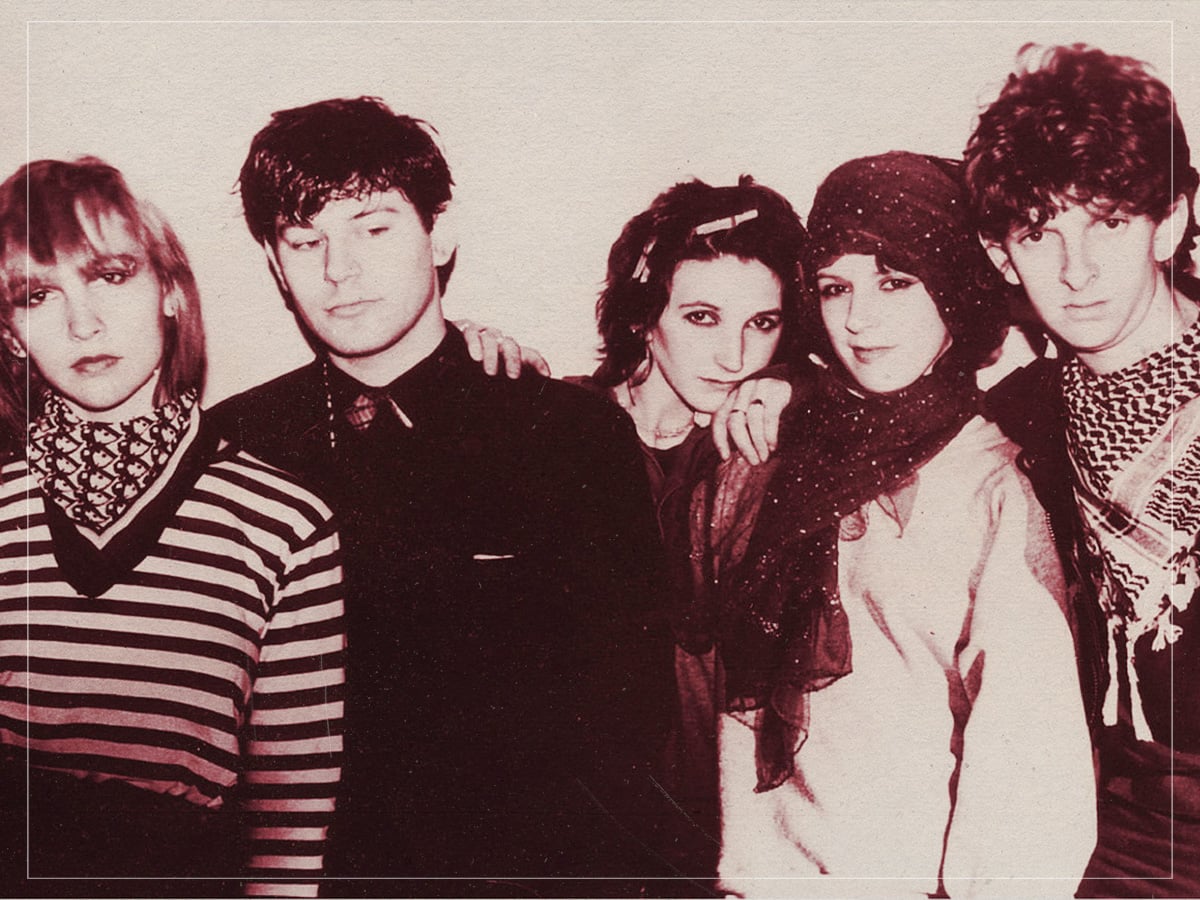
Two bassists, three singers, a disco drummer; none of it should have made sense, but weirdly, this song sounds more suited to 2026 than its own time, which is probably why it was also repurposed for an iPhone commercial a few years ago. The Leeds punks had to make their money at some point.
Interesting covers of this song have been released by feminist acolytes like Chicks on Speed and Dum Dum Girls, as well as the industrial rock outfit Pigface. This not only highlights how much of an underground hit the song has been, but also how important it has been deemed by many of the bands who took up where the Delta 5 left off.
Soft Cell – ‘Metro MRX’ (1980)

Written by the recently departed David Ball while he was a student at Leeds Polytechnic, before he’d even met Marc Almond, who eventually took over the lead vocal: “He’s my favourite mutant!” This was the first Soft Cell song to get radio airplay, shortly before ‘Tainted Love’ took over the world.
Mutants were certainly en vogue at the time, as Soft Cell’s debut EP, Mutant Moments, came out just after Gang of Four’s label, Fast Product, released a punk compilation record called Mutant Pop. Once more, it saw the band blend the strange mix of Northern Soul, futurist pop, and synth-punk into an anthemic effort.
Girls at Our Best! – ‘Getting Nowhere Fast’ (1980)
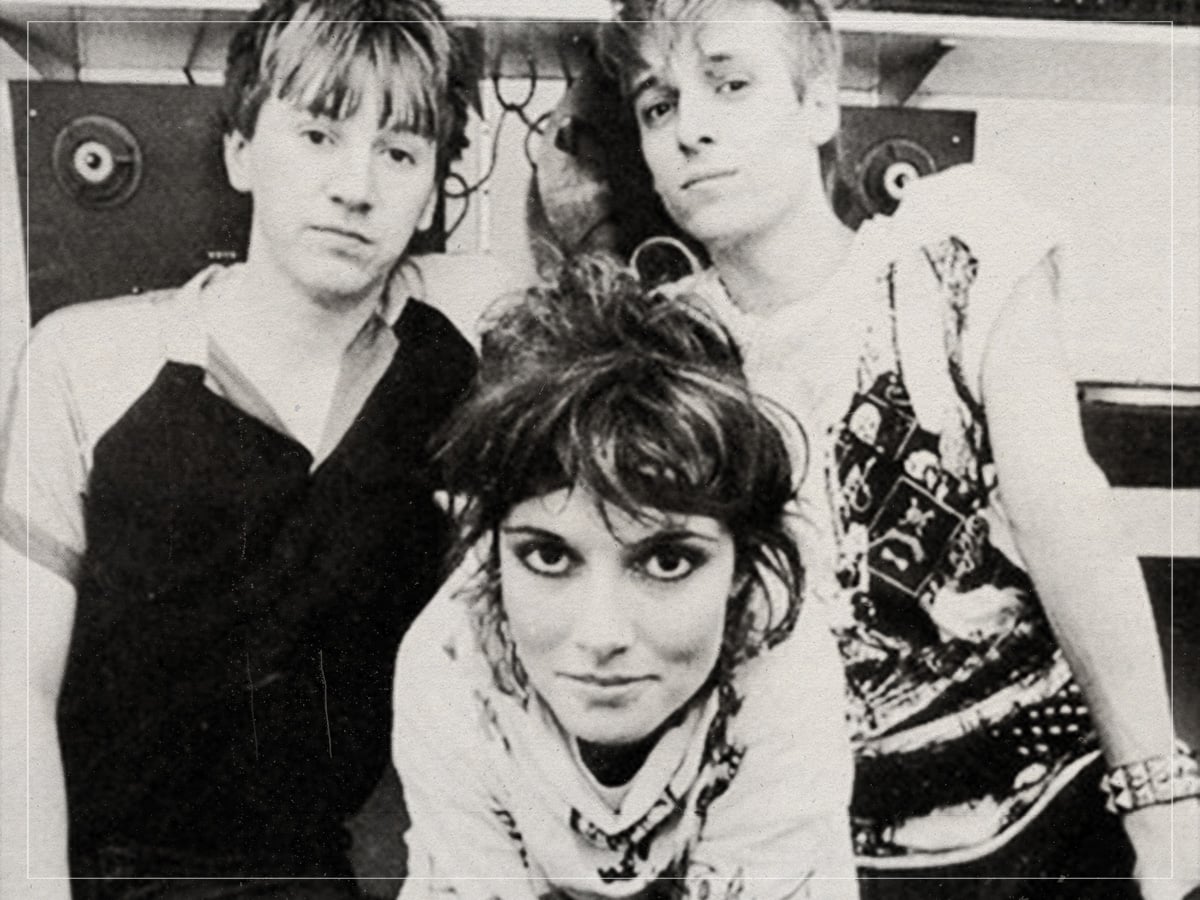
A terrific, but lesser-known jam by one of the best bands to enter the Leeds scene towards the end of the ’70s. As far as we know, it hasn’t been licensed for any TV ads yet, but somebody ought to get on that.
When it was released in the summer of ’80, a reporter at the Northern Echo described it as “the first single from brash Leeds outfit headed by nice-looking Judy Evans, who can also sing a bit.” We’ve come a long way. And in some ways, we have the likes of Girls at Our Best to thank for that.
