


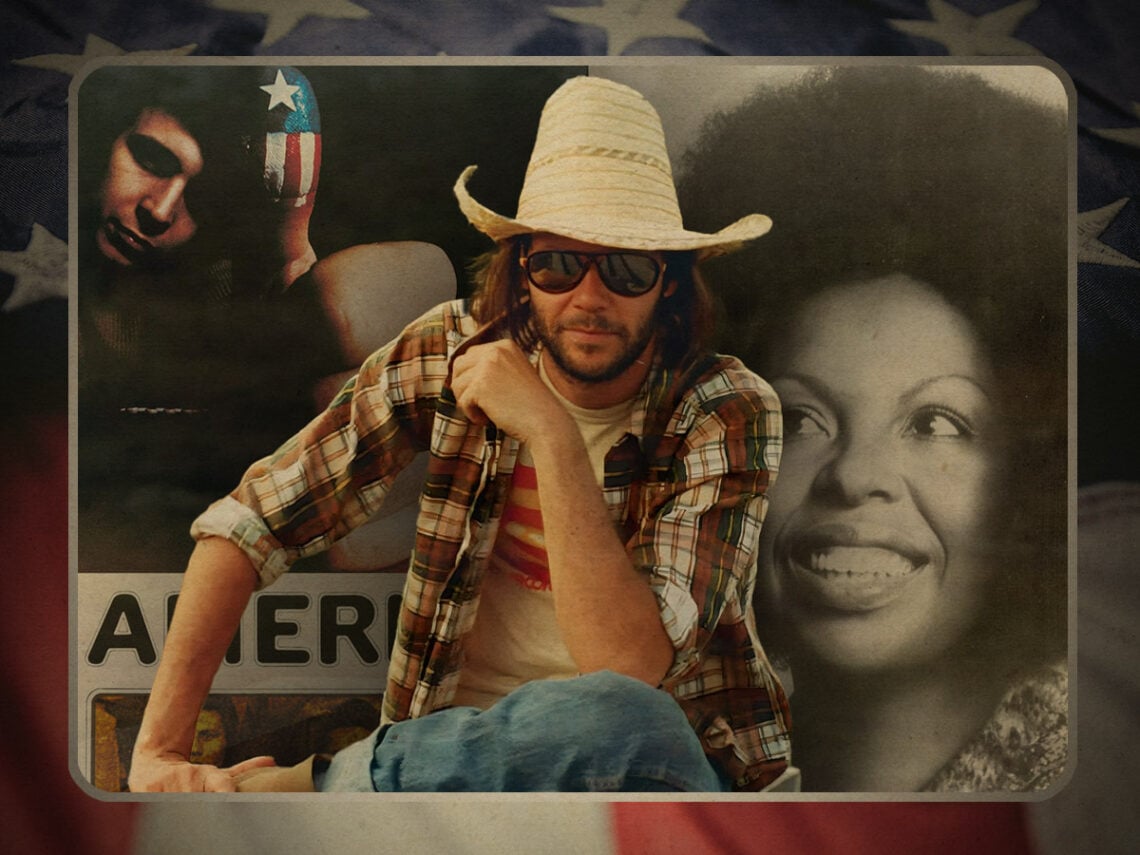
From Neil Young to Roberta Flack: The five best number ones of 1972

1972 was a major year for music innovation, as not only were longstanding acts proving they had what it takes to withstand the test of endurance, but many newcomers also kept the landscape fresh by scoring their first-ever chart positions.
Across the entire year, 18 musicians scored their first-ever number ones on the Billboard Hot 100, including Don McLean, Harry Nilsson, Neil Young, Sammy Davis Jr, Bill Withers, Roberta Flack, and more, with many of these releases also leaving a significant cultural impact, too, whether by capturing the spirit of the times or through other innovative techniques that set completely new standards.
McLean, for instance, mythologised ‘The Day the Music Died’ with his hit, while America demonstrated how to set a career-defining rock anthem with ‘A Horse with No Name’, cutting through the larger, more commanding rock sounds of the era with a track that tackled escapism with a sense of calmness, making it arguably one of the most diverse years in music.
At the dawn of the 1970s, many were still grappling with the old, familiar sounds of the 1960s, while others were focusing on more forward-thinking, fresher sounds that gave music its singer-songwriter edge. It really seemed like a space where people could thrive in all corners, with no set paradigm for success, so long as the music actually felt meaningful.
The five best number ones of 1972:
Don McLean – ‘American Pie
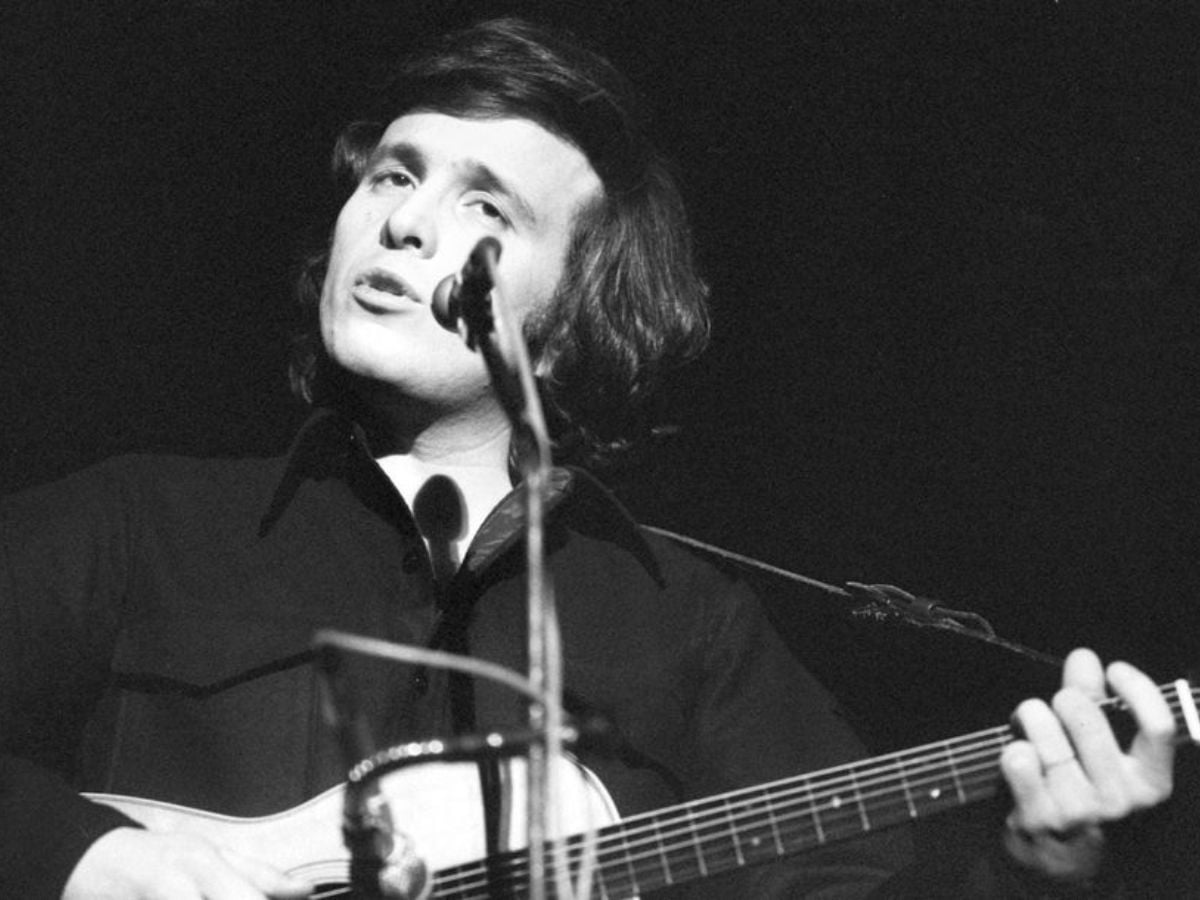
In ‘American Pie’, Don McLean refers to the tragic plane crash of February 3rd, 1959, which killed three of music’s greatest figures, namely Buddy Holly, The Big Bopper, and Ritchie Valens, which stands as a story of absolute happenstance, where the ones who boarded the flight did so after a coin toss decided their fate.
With the track, McLean immortalised the significance of the event with heartfelt romanticism, alluding to the fact that, after that fateful day in ‘59, music was never the same, and a part of it died with the passing of the iconic names. Countless legends were inspired by those lost musicians, especially by Holly, who set a standard for rock ‘n’ roll that went on to shape some of our biggest names, including The Beatles.
Roberta Flack – ‘The First Time Ever I Saw Your Face’

In 1972, Roberta Flack’s cover of ‘The First Time Ever I Saw Your Face’ transformed into a major hit, but not upon its initial release as part of her 1969 album First Take. In fact, the song only entered the charts three years later, partly because it was included in Clint Eastwood’s Play Misty for Me, but primarily because timing gave it a stronger prominence in the music scene than ever before.
Most people might argue that this song isn’t one of the best among the other, more year-defining tracks released in 1972, however, Flack’s voice and her spin on it made it one of the most important, proving that not everything had to be fast-paced or rock ‘n’ roll-leaning to make a bigger impact, and often standing as the more unique offering that withstood the test of time.
America – ‘A Horse with No Name’
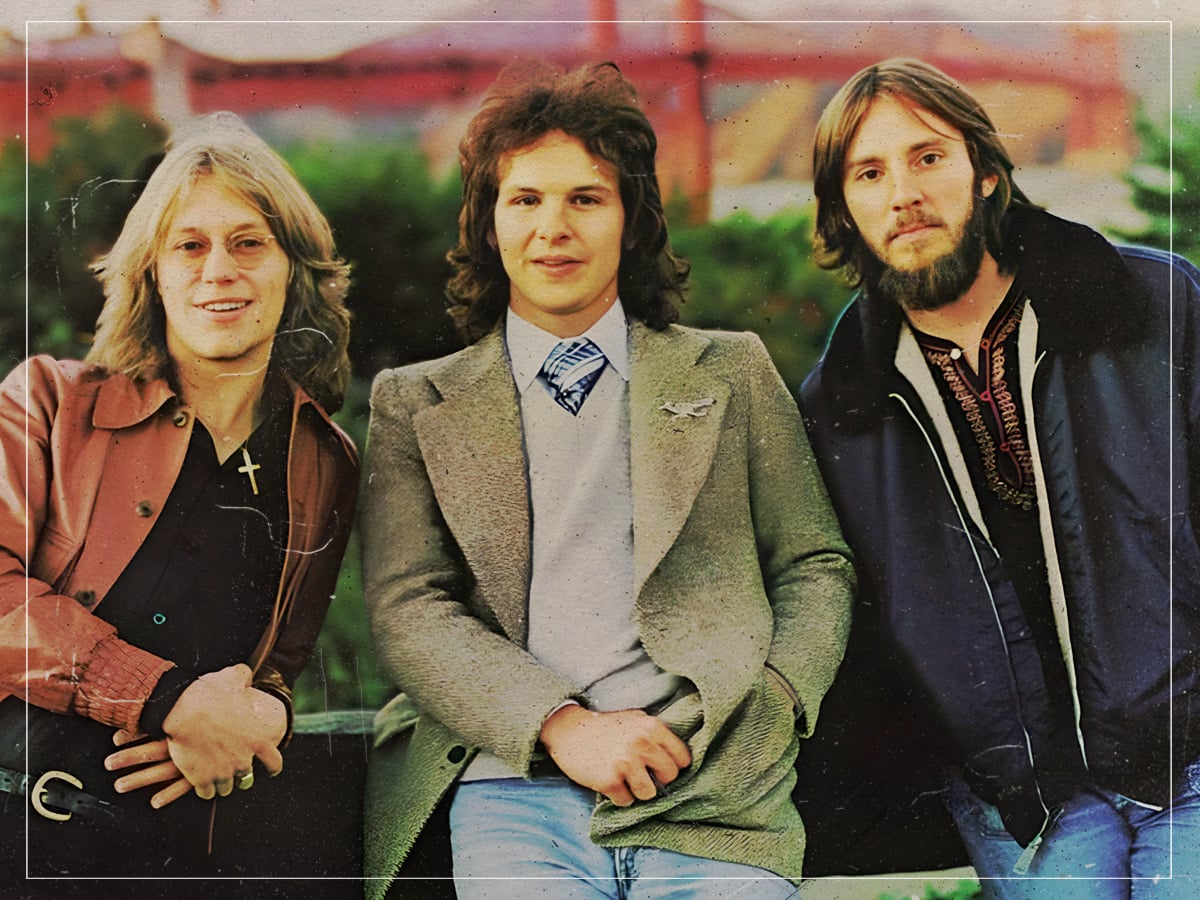
Another entry offering a more peaceful listening experience during one of culture’s most turbulent times, America’s ‘A Horse with No Name’ was an immediate success, providing a moment of respite among the bigger, more explosive songs on the scene. As Dewey Bunnell explained, it’s “a metaphor for a vehicle to get away from life’s confusion into a quiet, peaceful place”.
The song also became a disruptor in certain spaces, with some radio stations misinterpreting the ‘horse’ as a metaphor for drugs, and as a result, they banned it from their airwaves. However, it still reached its number-one position and also became one of the most deeply embedded cultural scores, used across countless texts and media as the ideal backdrop for that serene kind of independence, with the most recent standout use as a cover being in Netflix’s Bojack Horseman.
Harry Nilsson – ‘Without You’

Funnily enough, Harry Nilsson hated his megahit ‘Without You’ because he didn’t think it accurately reflected his artistic vision, and struggled with recording it in the studio and turning it into a song that felt closer to who he wanted to be. He also pushed back on doing it at all, but ultimately caved and ended up performing it anyway, despite his gut telling him otherwise.
However, as with most career-defining hits, many people are still discovering Nilsson through ‘Without You’, which is how they learn more about the true artist he was, yet it is his other material where he shines best, more boldly showcasing his sharp wit and ability to blend styles, an achievement that inspired countless others to smash the glass ceiling and push the boundaries of artistic expression.
Neil Young – ‘Heart of Gold’

Neil Young’s only number-one single comes from his fourth album, Harvest, and features gorgeous backing vocals by Linda Ronstadt and James Taylor. Truly capturing the spirit of the times, ‘Heart of Gold’ shatters the entire music scene with a serene, gentle sway of folk, making you feel immediately transported back to a specific time and place.
There aren’t many songs that feel like true standalone masterpieces, and while some seemed to argue that it was overshadowed by ‘A Horse with No Name’ due to the resemblance to Young’s style, ‘Heart of Gold’ really does come out on top, so much so that it even pissed Bob Dylan off because it sounded so much like the kind of music he also made at the time. “I think it was up at number one for a long time, and I’d say, ‘Shit, that’s me. If it sounds like me, it should as well be me’,” Dylan once said; a real achievement for Young, indeed.
