



The five best movies to inspire wanderlust and get you travelling

A good movie can take you anywhere, show you a place, a moment, a way of life or a culture, such that they make you want to book a flight and visit somewhere with relative urgency.
We’re not talking slop like Eat Pray Love, that sees Julia Roberts go on a broad strokes spiritual journey, but proper films that make you fall in love with a place and make you desperate to see it physically with your eyes, beyond the screen.
These five movies pull you in and make you feel saturated in the location, so much so that you can’t help but want to run into the movie’s landscape and live the protagonists’ lives.
So let’s get sucked into our list of five movies that inspire wanderlust.
Top five movies to inspire wanderlust:
‘La Grande Bellezza’ / ‘The Great Beauty’ (Paulo Sorrentino, 2013)

We’re starting off with the most niche of our five films, but it’s a modern classic. Paulo Sorrentino’s La Grande Bellezza, known in English as The Great Beauty, is an ode to the city of Rome, as it follows socialite Jep Gambardella, undergoing a midlife crisis and trying to find beauty in his surroundings rather than just in the excess he is accustomed to.
This film doesn’t just show you Rome, it allows Rome to wash over you. You see Gambardella walk across the city at night, visiting private gardens, passing famous statues, and enjoying Janiculum Hill for a melancholic, beautiful, at times surreal portrait, full of passion for the city that birthed it.
It doesn’t make you want to see the Colosseum or the Trevi Fountain, but plunge deeper to make you want to drink Peroni’s and stumble around the city into the early hours, waiting to watch the sun come up over the horizon. It’s a love letter to Rome, and one that’ll leave you looking at the city in a new light.
‘The Darjeeling Limited’ (Wes Anderson, 2007)
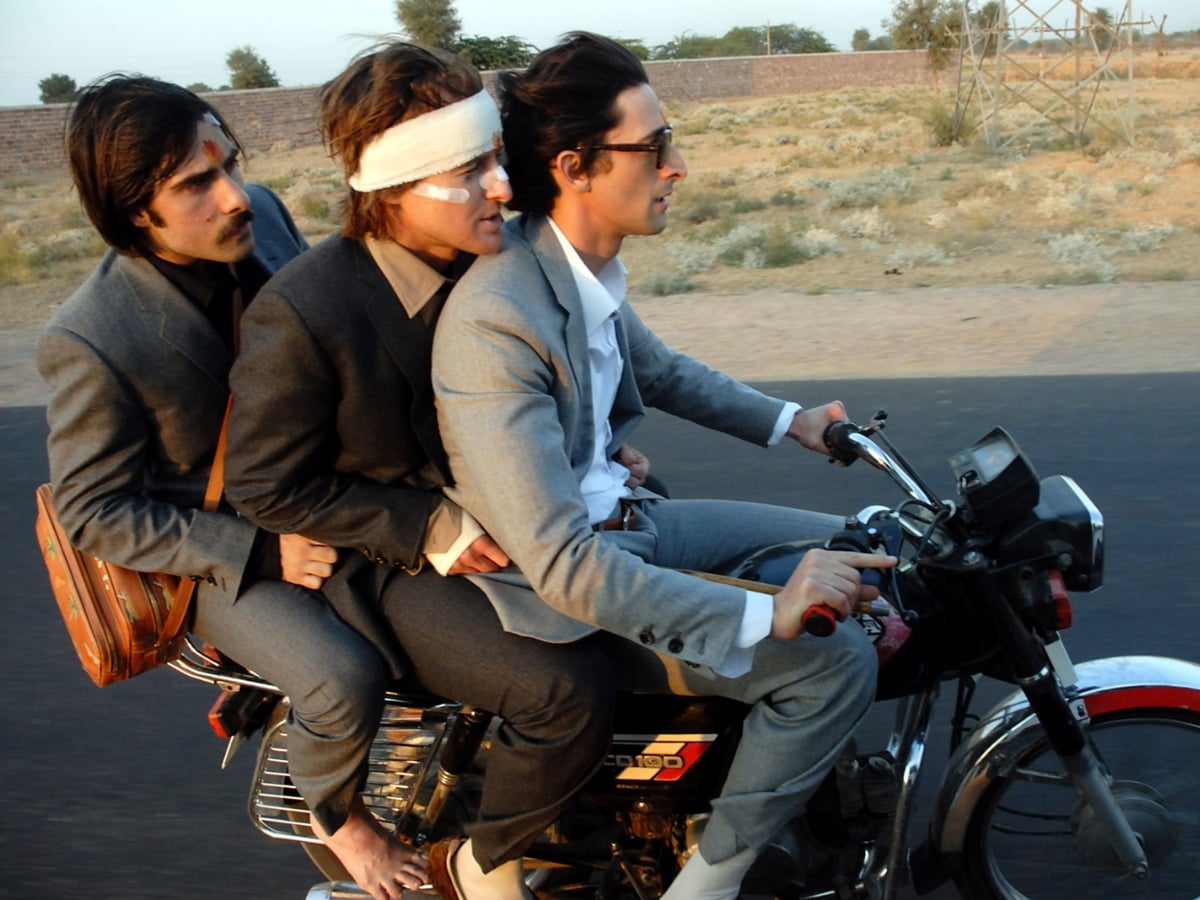
There had to be a mention of the unique style of a Wes Anderson film in here, where every single one of his flicks drowns you in symmetrical beauty, and The Darjeeling Limited is no different. Additionally, his approach to colour meshes brilliantly with the bright hues of India, and brings the country to life through his specific lens.
The train journey is the key to the movie, but other landscapes, from the desert to the markets, come into play as well, and the way in which Anderson manages to get the bustling, sensory overload nature of India onto film is masterful, and it really takes you there.
On a deeper level, the film teaches you about travel, about its healing nature, and its ability to help find space to solve interpersonal as well as internal issues. It shows that you don’t necessarily need to carry your baggage isn’t, and it’s OK to let go of what you don’t need in pursuit of what is necessary.
‘In Bruges’ (Martin McDonagh, 2008)
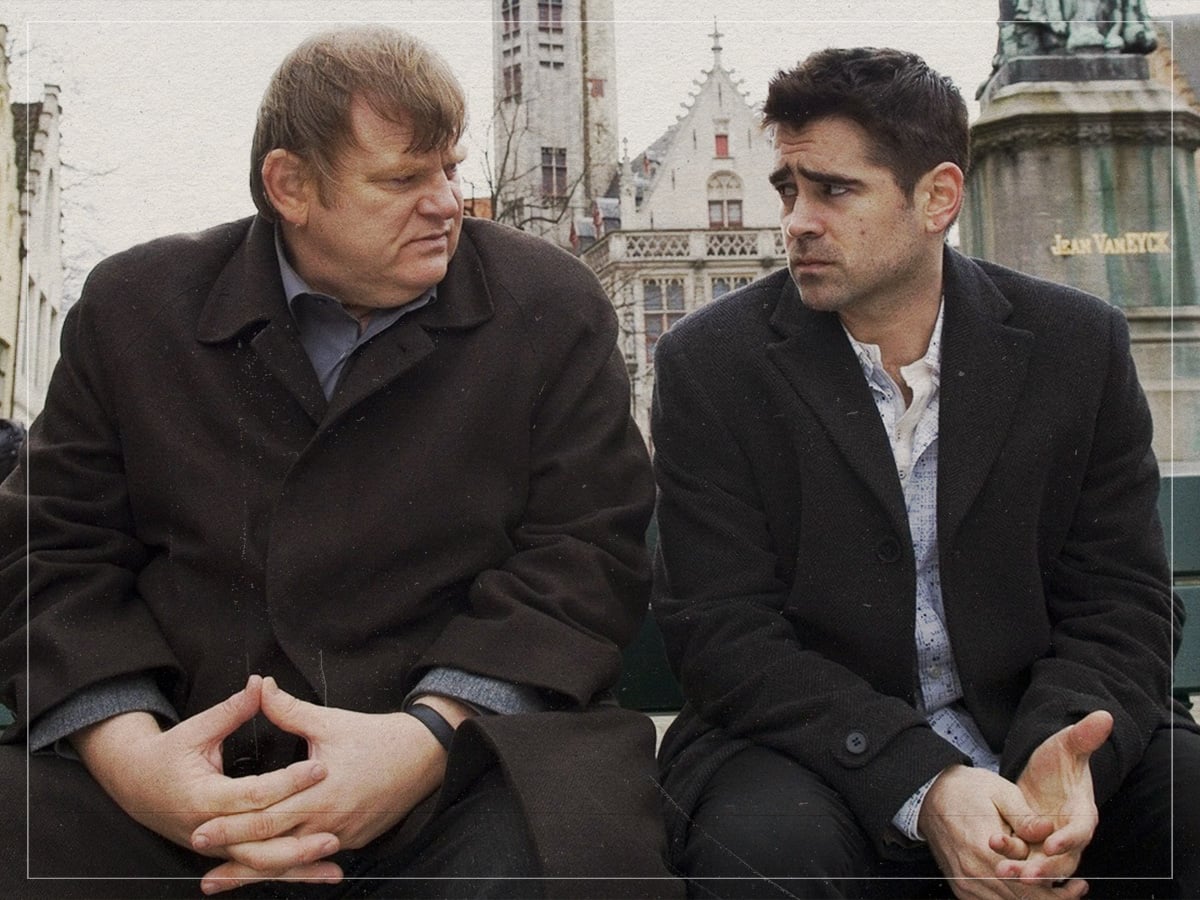
I might be sneaking In Bruges into this because it’s one of my favourite ever movies, but it’s an incredible piece of art, that’ll make you want to visit this “fairytale fucking town” in Belgium. Martin McDonagh’s script is the star here, with some of the best dialogue ever committed to film, but the city of Bruges is a close second.
At the start of the film, Bruges feels touristy and weird, as you look at the canals, the medieval squares and the bells ringing out over the city, but by the end, you won’t want to leave. In many ways, Ray and Ken, played by Colin Farrell and Brendan Gleeson, respectively, experience the city exactly like I did. wandering around aimlessly, getting pissed in pubs, and climbing the Belfry of Bruges.
The juxtaposition of the violence and bad language, with the fairytale surroundings, adds life to the city and makes you desperate to see it on your own, walk the cobbled streets, drink in the pubs and experience Bruges for what it is.
‘Diarios de motocicleta’ / ‘The Motorcycle Diaries’ (Walter Salles, 2004)
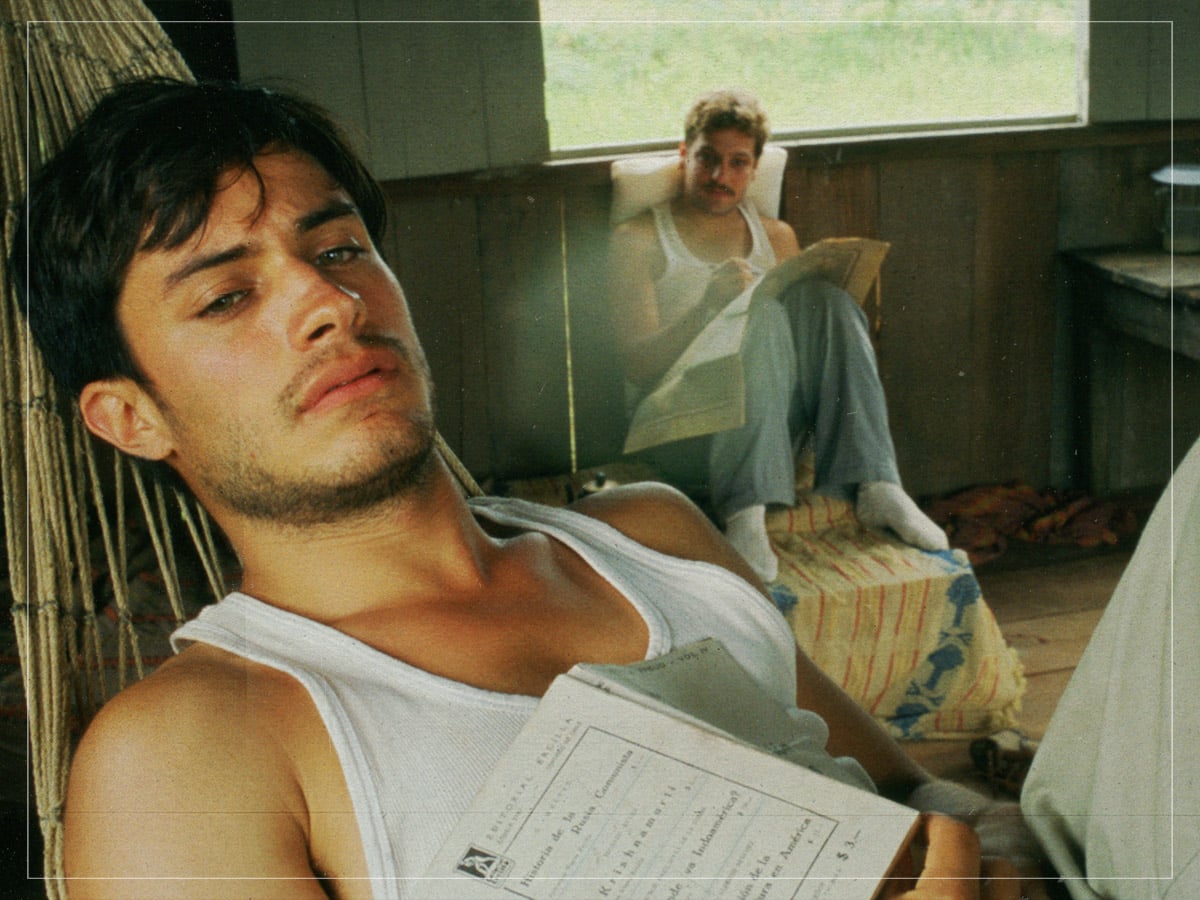
Walter Salles’ The Motorcycle Diaries is based on Che Guevara’s eponymous memoir that details his and Alberto Granado’s trip through Latin America, which helped them see the class battle on the continent and the struggles of real people.
We see Guervara’s worldview change as he travels, transforming as he experiences class divides and the blurring of borders, with the real high point of the movie coming in the form of the landscapes, which almost act as a third main character. The continent is a vast one, and that’s shown perfectly, wherein you feel the emptiness of Patagonia, the majesty of the Andes, and the power that the Amazon holds.
This isn’t luxury travel that’s glamourous, but it’s gritty and unpredictable, outlining travel as a formative experience. Broken down bikes or a lack of cash, and plans, none of it matters, as what is important is satisfying your curiosity through exploration. It tells us the real secret to travel is not about what you see, but how that reflects back upon you.
‘Lost in Translation’ (Sofia Coppola, 2003)
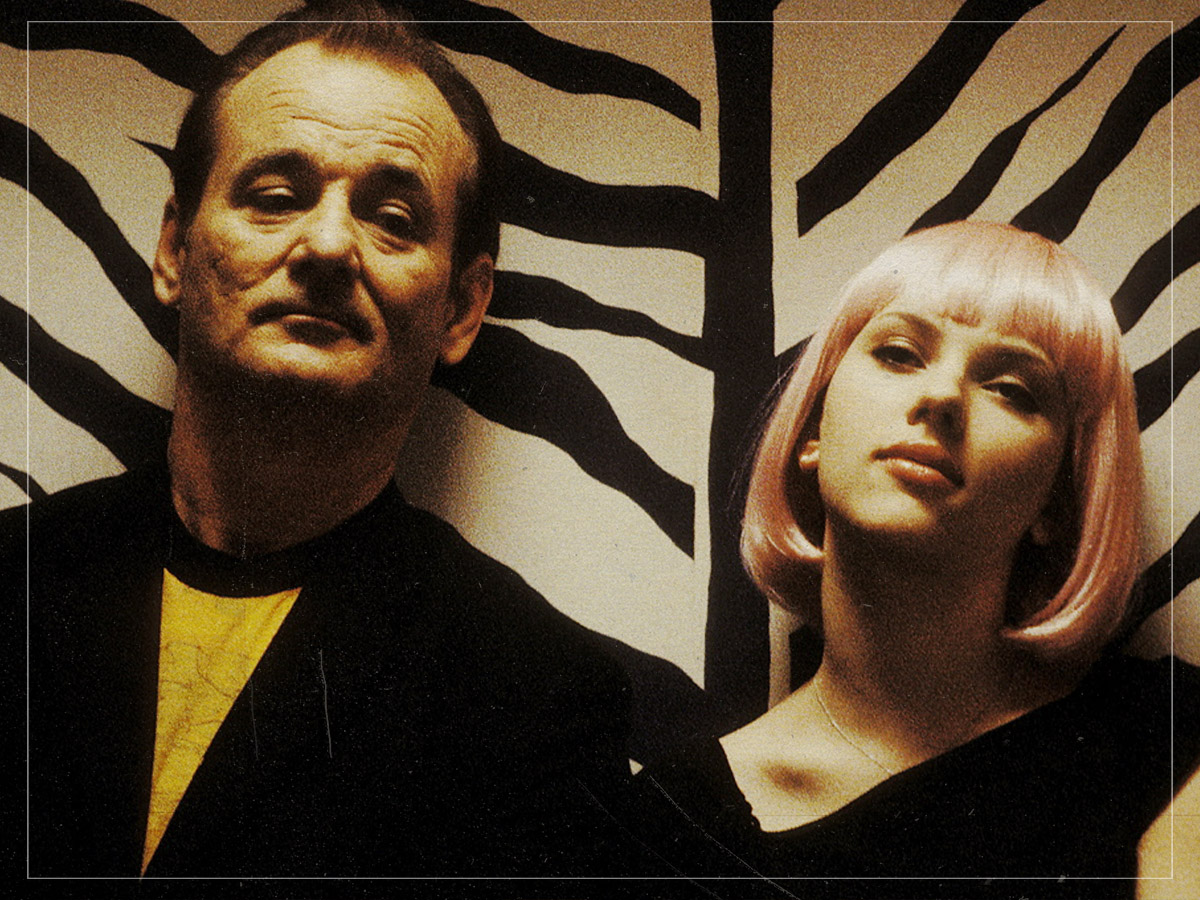
Lost in Translation is the ultimate travel movie, capturing some of the undeniable truths of packing your bags and setting off, which is that there will be times you feel like a fish out of water, you will feel lonely, and you’re going to feel jetlagged.
The way in which Sofia Coppola uses the city of Tokyo is incredible, rendering it a mood to create an atmosphere that makes you feel drunk and well away from home, echoing the confusion of the characters themselves. Seeing this movie made me desperate to go to Tokyo, to feel the neon lights in my eyes and hear songs blaring from the karaoke bars, and when I eventually ended up there, I felt many of the things that Bob and Charlotte do: as much as I fell in love with the city, it felt so different, and so alien, and I felt very out of place.
Lost in Translation shows you Tokyo and the transient nature of forming connections when you’re abroad, but most of all, it shows you the joys of being present and allowing a place to wash over you.
