


The five best British horror movies of the 1960s that you’ve never heard of

It’s sad that in recent years British horror hasn’t thrived as much as it once did, because there was a time when some of the most haunting, ridiculous, sinister, and camp scary movies were emerging from the island, doused in bright red paint and probably led by Christopher Lee.
Hammer and Amicus had the biggest hold over horror in Britain between the 1950s and the 1970s, with the former’s championing of pre-existing horror characters, like Frankenstein’s monster and Dracula, drawing in countless viewers. The 1960s was a time of experimentation for the genre, because the goriness and explicitness that would come to be commonplace in the 1970s had not been yet established, hence filmmakers had to get creative. Often tinged with a sexiness that was appropriately of the era—think women with ample cleavage on display for no apparent reason—and joined by terrible special effects and schlocky dialogue, the campiness of many British horror films from the period has kept a dedicated cult following all these years later.
That’s not to say that there weren’t horror movies from the era that didn’t take their subjects more seriously, with Satanic worship and fears of witchcraft, possession, and paganism certainly making for some dense thematic exploration, reflecting a time when society in ‘60s Britain was rapidly changing.
With social justice movements picking up speed as a shift in thought came with the rise of the post-war generation, people’s fears and deep-rooted anxieties in response to this change could be traced through these underrated horror gems.
The five best 1960s British horror films you’ve never heard of:
‘Haunted House of Horror’ -Michael Armstrong (1969)
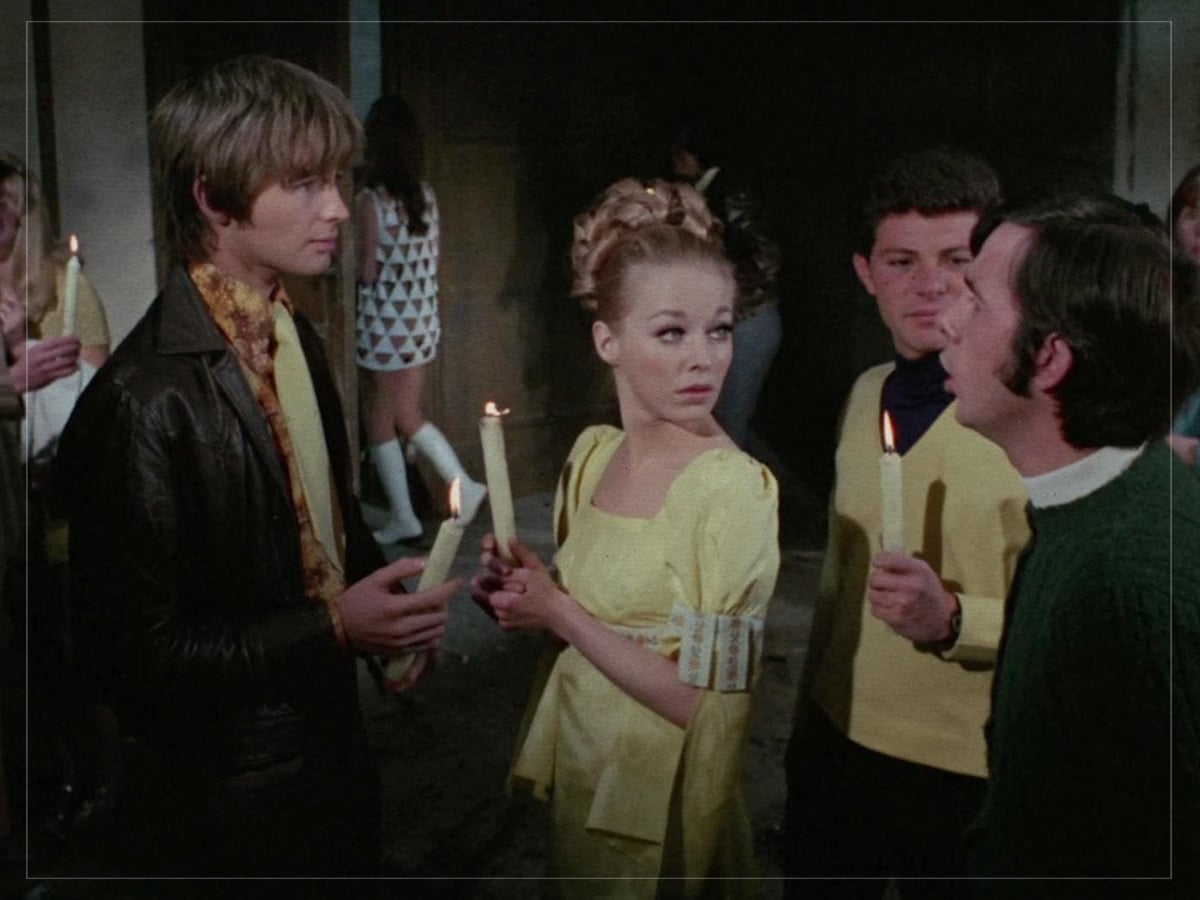
If you love the music and fashion of the swinging sixties, but also the suspense of a good murder mystery, you’re in luck. In 1969, Michael Armstrong made Haunted House of Horror, which took some fabulously-dressed 20-somethings and threw them into a giallo-tinged proto-slasher world. The vibrant landscape of Carnaby Street and booze-soaked parties is contrasted with the gloominess of an abandoned old mansion, with the group exploring the property to expectedly horrific results.
When one of the group is murdered, we’re left to figure out whether the killer is a ghost or an intruder, shifting through the many red herrings we’re given to constantly keep us on our toes as the film reaches its climax. The movie might not be a five-star masterpiece, but it’s a tense film that is worth watching for the costumes alone, but beyond that, it also gently satirises youth culture of the era through pretty violent means.
‘The Witches’ – Cyril Frankel (1966)
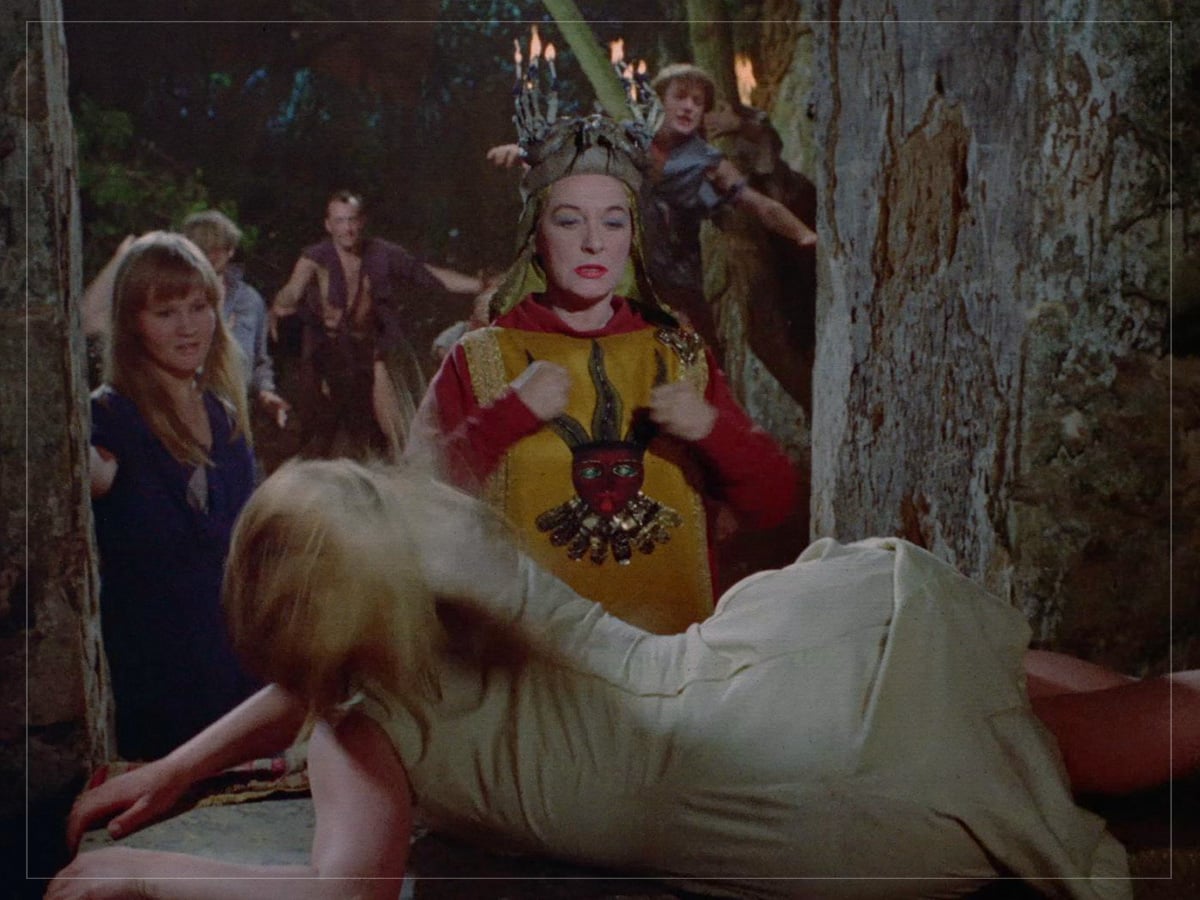
Several decades before Roald Dahl’s traumatising tale of the same name, Cyril Frankel released The Witches back in 1966, courtesy of Hammer. There’s much more realism in this gritty British horror film, however, which stars Joan Fontaine as a woman who, following a nervous breakdown, begins working in an English village where dark secrets are soon uncovered, including a plot to sacrifice her.
Before the folk horror trend that reached its peak in the 1970s with titles like The Wicker Man, The Witches did something similar, taking a rural village and exposing its sacrificial interests, much to the terror of an outsider who becomes begrudgingly entangled in a world that crumbles around them. Although it was one of Fontaine’s final roles, it remains underappreciated, much like the film which contains it.
‘The Devil Rides Out’ – Terence Fisher (1968)
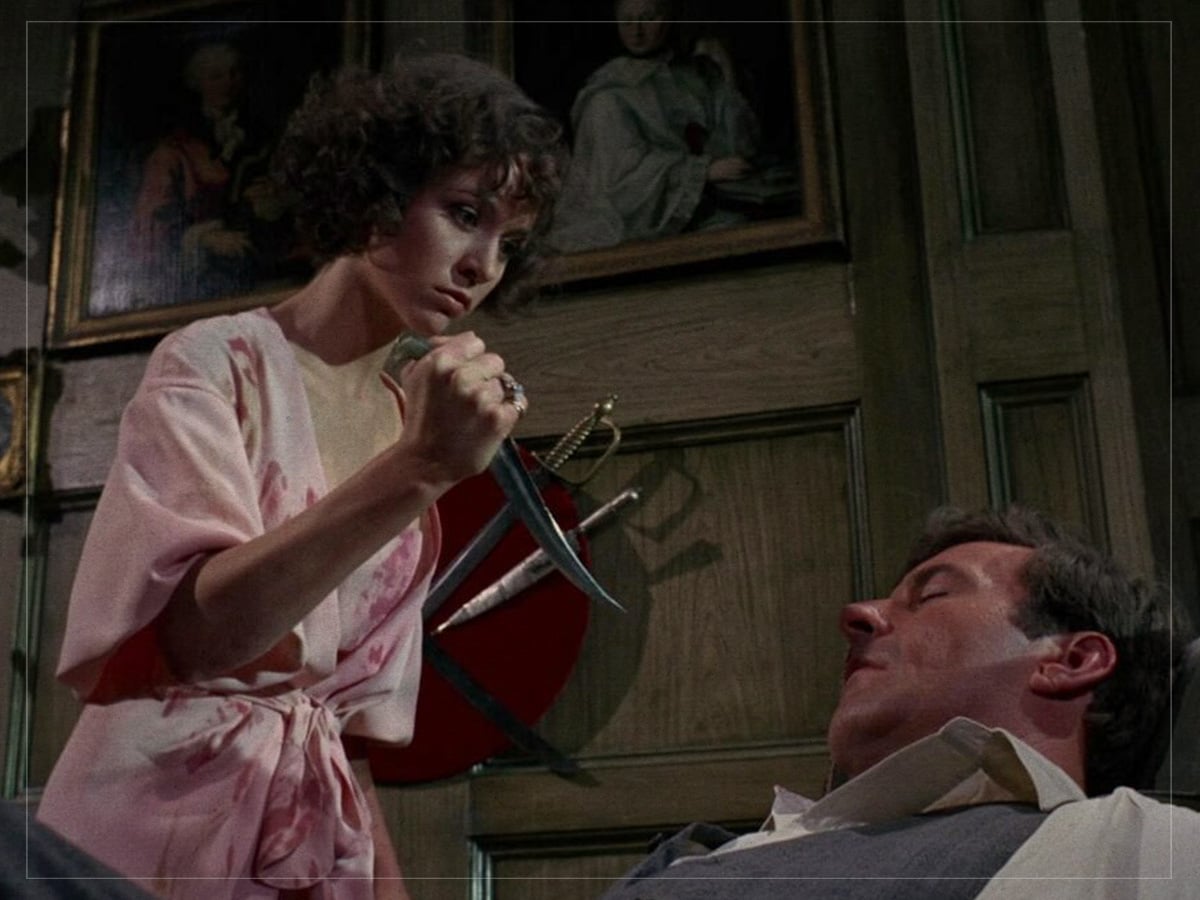
Another Hammer entry, The Devil Rides Out is perhaps the best known on this list, but it still doesn’t get the recognition it deserves in comparison to other titles from the era. With Christopher Lee in the starring role, you know it’s going to be good, but don’t go into it expecting the usual levels of Hammer seediness as this one takes a much darker approach by exploring the real depths of Satanism.
When Lee’s Nicholas, Duc de Richleau, suspects that his late friend’s son is involved with occult goings-on, he takes matters into his own hands to remove him from his cultish proclivities. Seeing it’s the ’60s, some of the effects are understandably dated, but it doesn’t obsfurcate the taut and compelling story about the fears of Satanism that have plagued people for centuries, and what crazed devotion to religion can bring up in them.
‘Eye of the Devil’ – J Lee Thompson (1966)
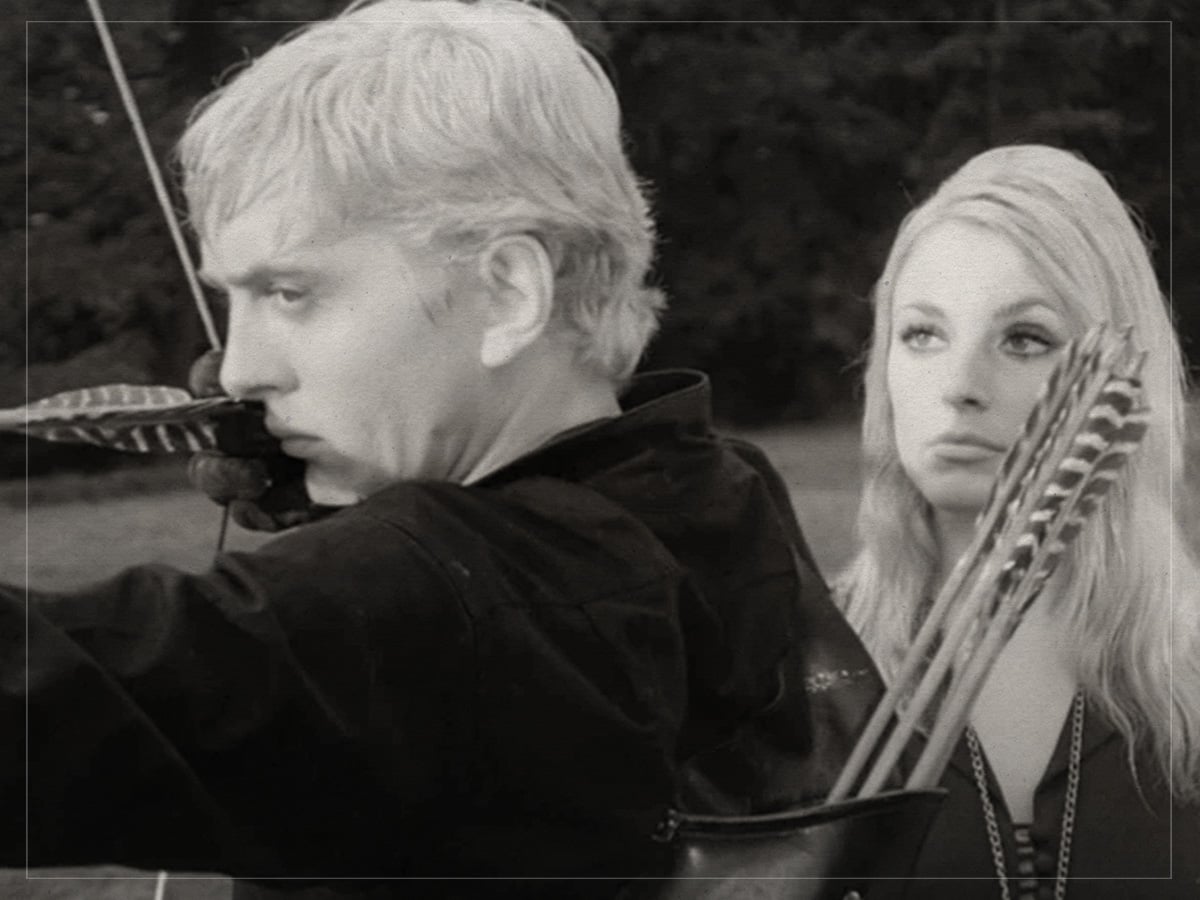
Eye of the Devil remains criminally underrated, perhaps because it failed to achieve significant box office success upon its 1966 release. This J Lee Thompson vehicle follows a family as they find themselves dealing with the classic trope of a mysterious, potentially haunted French chateau. As suspicion lingers, heightening with each step, and unsettling rituals are revealed, the starry roster of Sharon Tate, David Niven, Donald Pleasance, and Deborah Kerr uncover some dark secrets to their detriment.
The movie was slated to be much bigger than it was, with Sidney J Furie set to direct and even Kim Novak initially cast in the lead; yet, the project ended up becoming much less Hollywoodized, and in the end, with Thompson at the helm, faded into obscurity, even though it’s got all the hallmarks of a great ‘60s mystery horror.
‘Circus of Horrors’ – Sidney Hayers (1960)
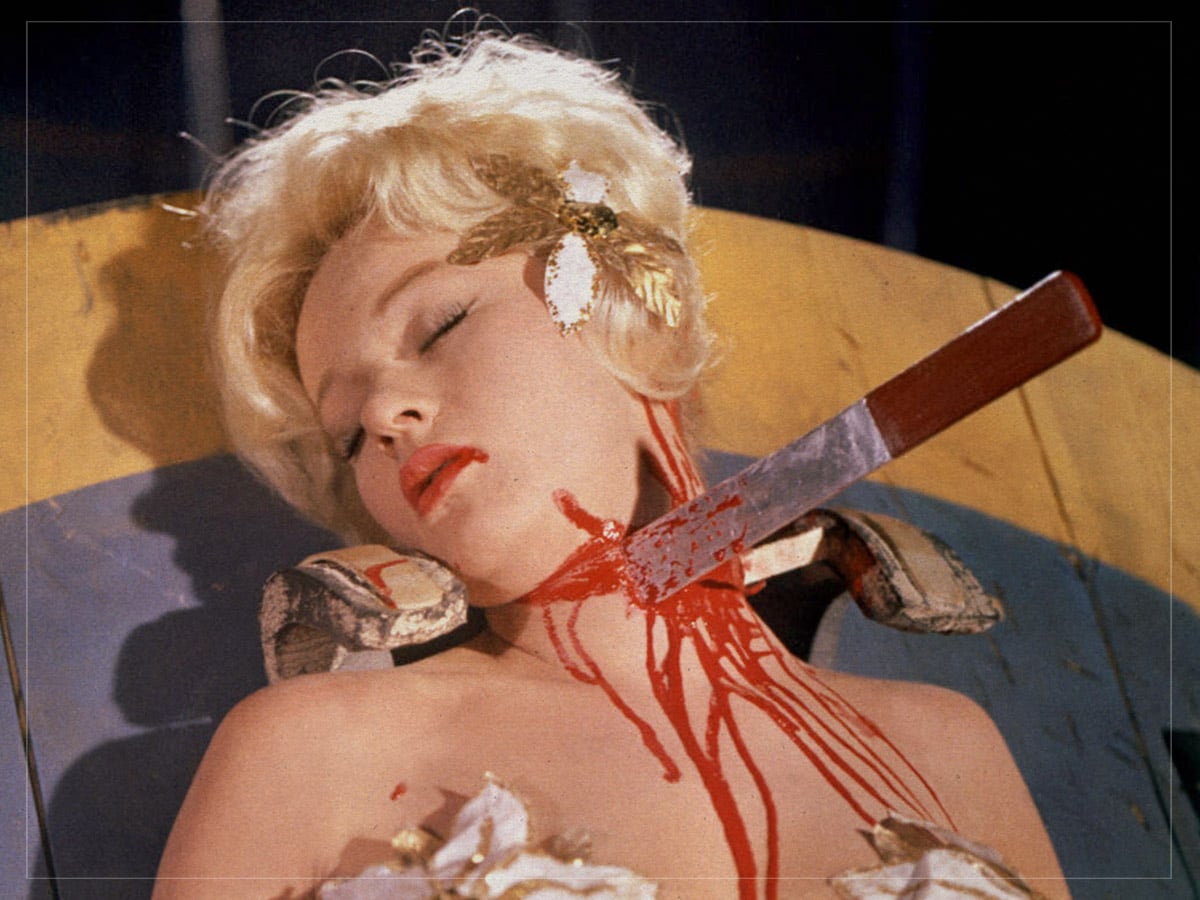
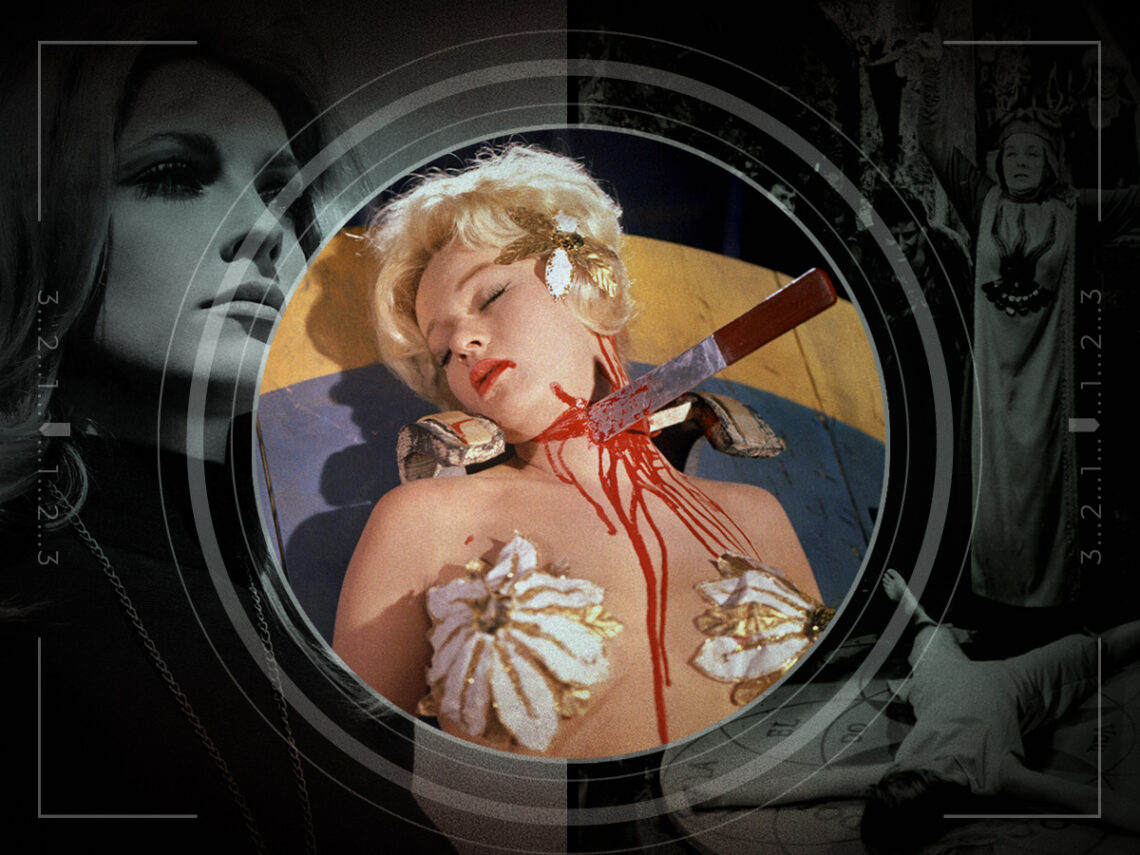
At the start of the decade, a time when horror was still relatively tame, Circus of Horrors arrived with a pretty gory premise: botched plastic surgery. The film follows a surgeon who, following a terrible operation that leaves him on the run from the police, resorts to the only natural next step, which is joining a circus. It’s certainly a strange idea, with the surgeon picking up acts for his travelling circus by finding criminals and performing surgery on them to make them beautiful, and strangely the plot works magnificently.
Once you get on board with this bizarre concept, you’ll find yourself immersed in this maniacal world where coercion is taken to the extreme as the surgeon maintains his circus through murderous threats and violence. Considering that cinema was yet to develop into more explicit territory, Circus of Horrors was pretty daring for the time, and it’s certainly worth the watch as an early body horror prototype.
