


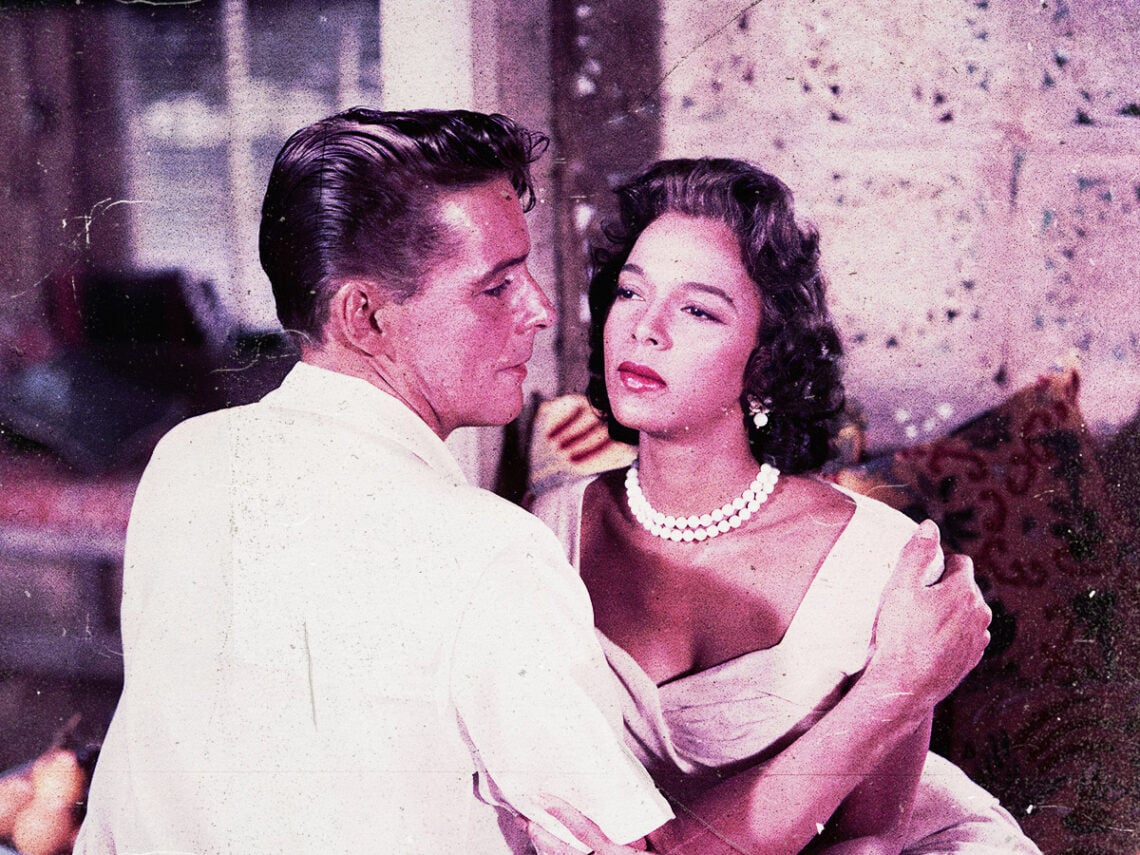
The first interracial kiss in cinema history

The history of interracial representation on the silver screen has been one of gradual and sometimes tumultuous evolution. From the dawn of Hollywood, racial stereotypes and segregation were often ingrained in the cinematic landscape, reflecting the unfortunate broader societal attitudes of the time. Movies were hesitant to portray interracial relationships in a positive light, if they dared to depict them at all, mirroring the stringent anti-miscegenation laws and societal norms that prevailed.
Despite this, as the winds of societal change began to blow in the mid-20th century, a growing number of filmmakers dared to challenge the status quo. They started to explore themes of racial diversity and integration, attempting to highlight the shared human experience beyond the arbitrary lines of race. The late 1950s marked an important period in this progression, with a watershed moment that was destined to spark significant controversy and conversation.
Island in the Sun emerged in this changing landscape in 1957. Crafted with a clear intention to initiate crucial discussions about race relations in the 1950s, the film gathered together a stellar ensemble cast. James Mason, Harry Belafonte, Joan Fontaine, and Joan Collins brought to life the intricate relationships of four couples, of Black, white and mixed races, set against the backdrop of pronounced social inequality on the small, fictitious West Indian island of Santa Marta. Directed by Robert Rossen with a screenplay by Alfred Hayes, Island in the Sun was a heartfelt cry for more progressive attitudes in the mid-20th century.
One scene, in particular, bore a groundbreaking significance: a kiss shared between Fontaine and Belafonte. An embrace between a white actor and a Black actor was a radical departure from the norm in Hollywood, challenging the prevailing societal views on interracial relationships. This on-screen display of affection served as a potent symbol, embodying the ongoing struggle against racial discrimination and prejudice.
Despite its commercial success, Island in the Sun was met with controversy. Threats from the Ku Klux Klan, protests outside cinemas, and outright bans in some cities such as Memphis and Tennessee all underscored the discomfort and resistance from the conservative parts of society. Fontaine even received death threats from the Klan, which she diligently handed over to the FBI. Nevertheless, these very reactions highlighted the film’s significance and the importance of its message.
Today, Island in the Sun serves as a vital reminder of cinema’s power to challenge societal norms and instigate change. It stands as an emblematic representation of Hollywood’s progress in portraying interracial relationships, a testament to the industry’s slow but transformative journey towards embracing racial diversity and equality.
It’s just a shame that, in 2023, we still have a lot further to go.
