


“A universal feeling”: the first bands Robert Plant fell in love with and how they shaped his romantic future

The closest thing to a baton pass music may have ever seen is from The Beatles to Led Zeppelin.
In 1969, the boys from Liverpool were just about wrapping up their domination of the music charts, allowing their fraying relationships to bring one of the greatest musical projects to a close. But it was fine, because fans would be well fed instantly, with the powerful arrival of Britain’s new saviour, Led Zeppelin.
Their debut album came out in the same year as Abbey Road and offered an optimistic glimpse into the future. The kids were all right, everyone thought as they picked up the pieces of what they thought was the end of the counterculture movement, and built something more resilient in the decadent era of the 1970s.
But the truth is, Zeppelin weren’t thanking the Fab Four for anything. No, they didn’t see themselves as beneficiaries of their music but rather as torchbearers of rock and roll, which was ultimately founded by legends from the decade before them.
Led Zeppelin were blues rock students and built their sound on the back of ‘50s legends, Muddy Waters, Howlin’ Wolf, and Robert Johnson. Well, that was particularly the case for Jimmy Page, the rock and roll guitarist whose playing was the heartbeat of this new band.
Robert Plant harnessed the soulful power of ‘50s blues rock to understand how his vocal performances could manifest. As a kid, he did what we all did, which was follow the influence of his elders, who subsequently provided him with a string of records that would forge his later style.
He remembered, “There were some older kids in my street who had record players and a collection of 45s. They introduced me to a wide spread of black music and rock ’n’ roll. This music offered me an escape from the grind of education, and in my early teenage years, the songs of Dion And The Belmonts or The Cleftones spoke about heartache and the fantasy of young love. The music celebrated the wonder of being a teenager, and it was a universal feeling.”
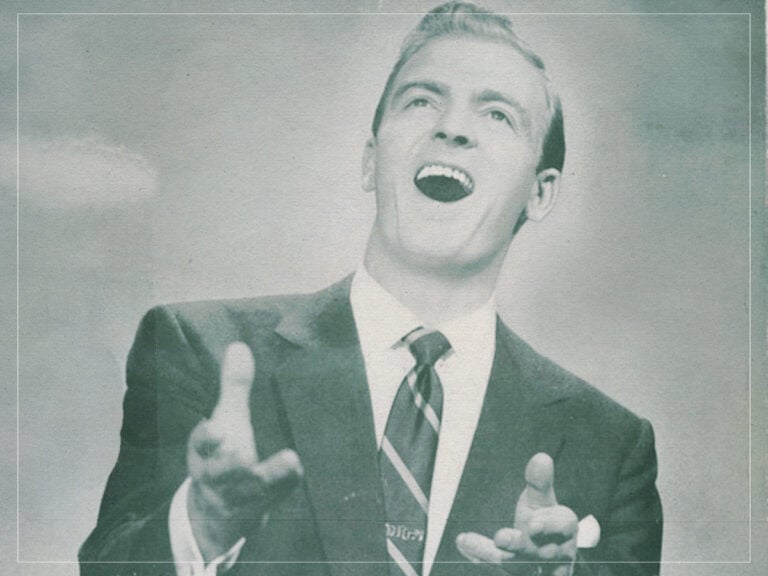

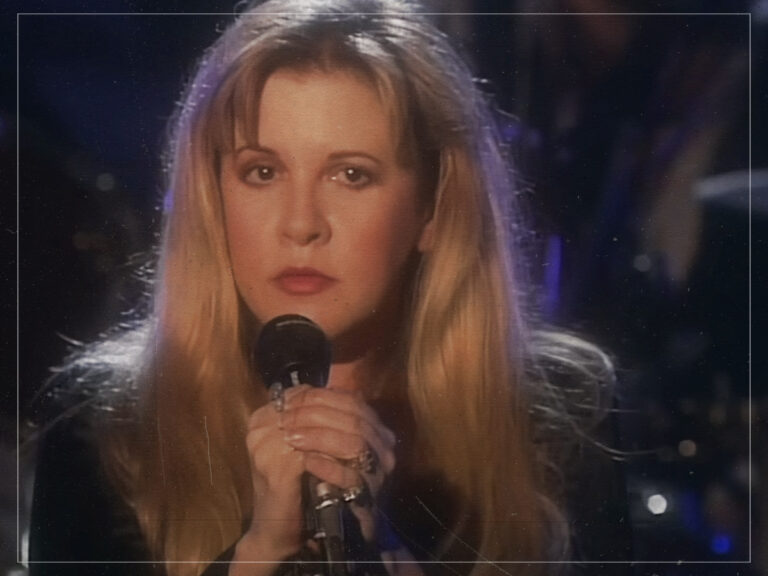
Sure, the British invasion music of the ‘60s certainly propelled his understanding that these sounds could be harnessed to create chart-topping music, but he never lost sight of their essence and, in fact, moved away from the British approach and sought to remain faithful to the original American style of blues.
He added, “British bands started latching on to the American grooves, but there was a radical difference between Little Richard and Cliff Richard,” adding, “I remember seeing Gene Vincent and experiencing a feeling of menace. He represented teen rebellion, and it was something I could lock into.”
It came as no surprise that America became something of a spiritual home for Zeppelin thereafter. Sold-out shows in Madison Square Garden proved that they had cracked the big nut of the music industry, but not by invading it with a new style of Britishness. But by paying homage to its previous greats and reigniting a very American sense of rock and roll.

Never Miss A Beat
The Far Out Led Zeppelin Newsletter
All the latest stories about Led Zeppelin from the independent voice of culture.
Straight to your inbox.