


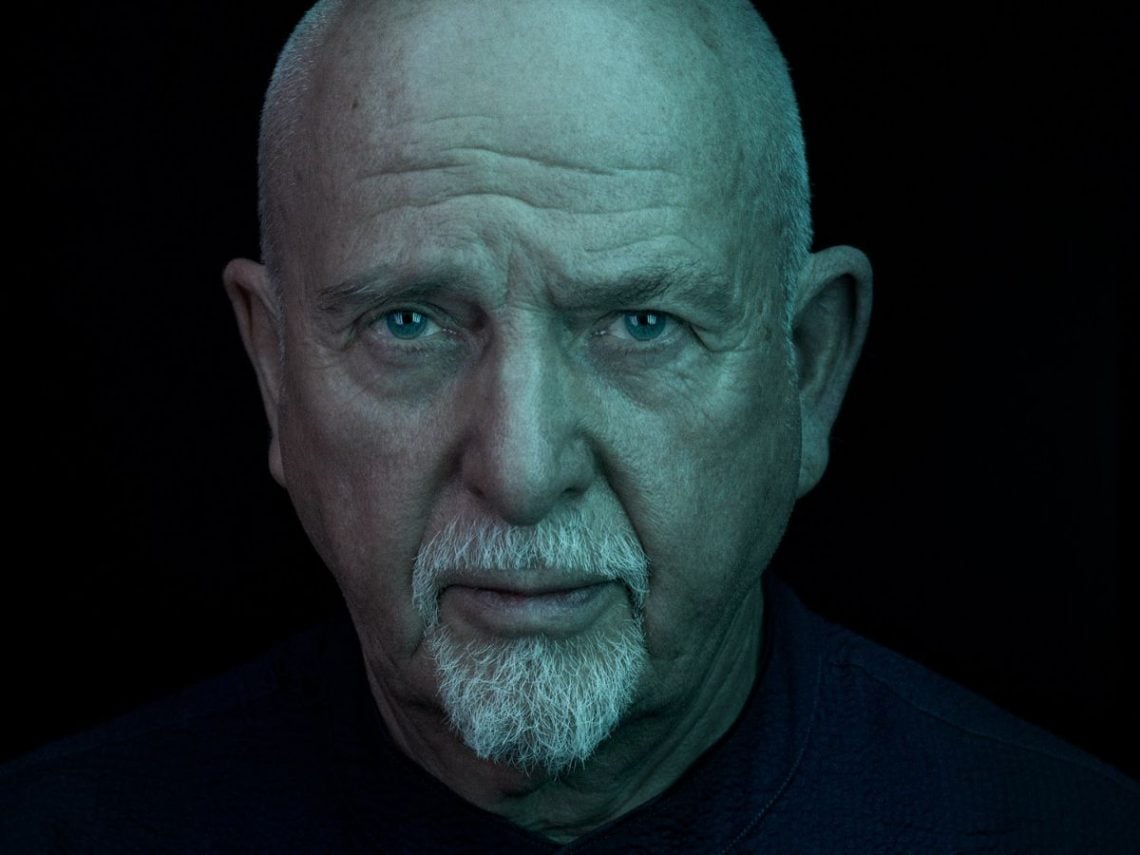
The first album Peter Gabriel ever bought

The trajectory of Peter Gabriel’s musical career is unlike any other rock star in the music industry. Although he may have notched up classic songs with Genesis and plenty more in his solo career, he has also been more about serving his muse than anyone else, always looking for the right reason to cut his next song. As many await what his next project has in store, Gabriel has also been reflecting on his beginnings.
When discussing some of his musical influences, Gabriel talked about the first record that ever excited him, telling ABC News, “The first record I bought when I saved up my pocket money was With The Beatles. What people forget, I think, is that at the time, it was really rebellious, rough, mischievous and full of life, and irresistible to any young person”.
While most of The Beatles’ sophomore release has the same skiffle grooves that permeated their first album, there was already something different at play. With the songwriting team of John Lennon and Paul McCartney, fans were becoming inspired, just like Gabriel, to make songs of their own.
The same sentiment was echoed by fellow musician Mike Rutherford around the same time. Despite his musicality on guitar, he was banned from playing it in boarding school because it symbolised the revolution. After meeting Gabriel at school, their mutual love of the music brought both musicians together, forming the building blocks of Genesis with keyboardist Tony Banks.
Although The Beatles’ music might not seem like the most cutting-edge music in their early years, the back half of their career was where most progressive musicians began to hone their chops. Dissatisfied with the traditional way of making records, albums like Sgt Pepper and Revolver led to different experiments with instruments and tape loops, which greatly impacted Gabriel.
Across the first handful of Genesis projects, it’s easy to see Gabriel taking bits and pieces from The Beatles, only with a more outlandish tinge. Although a song like ‘Supper’s Ready’ from Foxtrot might seem like a daunting listen with an insane runtime, what makes it engaging is the various changes and Gabriel’s knack for melody, no doubt lifted from listening to the work of Lennon and McCartney.
As Gabriel moved into his solo career, he became set on making songs that were far more palatable than 20-minute excursions, crafting songs that blended progressive and pop under one roof on racks like ‘Solsbury Hill’. As the prog rock world began expanding, Gabriel seemed to use the same surrealist approach to writing that was on songs like ‘Strawberry Fields Forever’ on ‘Games Without Frontiers’.
Like his idols, he never forgot the importance of putting different unconventional ideas into the right context, turning an Otis Redding pastiche into the song ‘Sledgehammer’ and translating Anne Sexton’s poetry into the immaculate sounds of ‘Mercy Street’.
More than anything, Gabriel maintains that The Beatles left an indelible mark on his musical psyche: “The Beatles were a huge influence as I was growing up, and continued to be as there was all that revolution around their success”. As even greater revolutions started as the years passed, Gabriel never stopped using his songs to translate his feelings to his audience.

Never Miss A Beat
The Far Out Beatles Newsletter
All the latest stories about The Beatles from the independent voice of culture.
Straight to your inbox.