


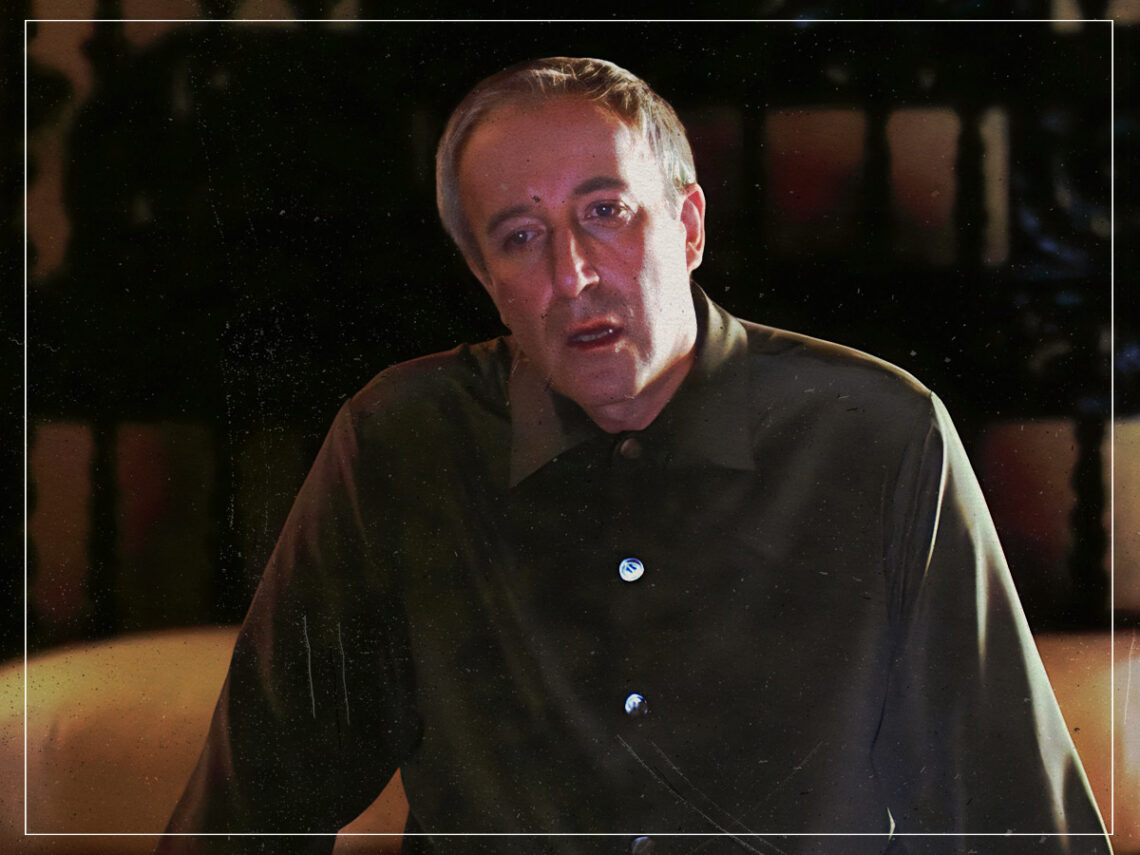
The “filthy insults” that ruined Peter Sellers’ 1980 farewell to cinema: “We were at loggerheads”

This week, we discovered that we’ll be getting a new Ali G movie, as Sacha Baron Cohen confirmed he’s working on the first full-length outing for the character since 2002. That’s great news for comedy fans everywhere, but the simple fact is it wouldn’t be happening without the late Peter Sellers.
And that’s because Baron Cohen is a disciple of Sellers, citing him and his career as a seminal force in his own work, growing up idolising the actor and remaining such a fan in later life that he once tried to buy Sellers’ Golden Globe for the Hal Ashby movie Being There, missing out only because he got the time zone of the auction wrong.
Baron Cohen has done enough himself over 25 years or so to be sensibly compared to his hero, but one facet he doesn’t seem to have replicated is Sellers’ reputation for being so challenging on set for many different reasons that he was capable of completely destroying a movie single-handedly. When Sellers was at his best, he was without equal: a comedic genius and a superb actor who made two films with the great Stanley Kubrick, including the towering Dr Strangelove in 1964. But as with most men and women of his ability, there were several downsides, which in Sellers’ case could be his mood swings, his phobias, his cruelty, or his ego, name your choice.
Most, if not all, of the directors that Sellers worked with have stories of his volatility, and they would also have techniques ready to get the best out of him; Kubrick, for example, would sense when Sellers would suddenly go to a dark place and simply shut filming down for the day. Others would let him rewrite scripts to his liking to appease him, or make sure he didn’t have to see clothing on set in colours he didn’t like, given he would react badly to green and purple, supposedly because he had had a heart attack on one film where green was a prominent colour.
But some directors were unfortunate enough to be in charge of films that Sellers had simply decided he didn’t want to be involved with anymore, and there was little they could do to stop the onslaught of his behaviour. Sellers had a full-on fistfight with Joseph McGrath on Casino Royale, before the director was fired. In another film, Ghost in the Noonday Sun, Sellers would leave all the cast and crew waiting in the Cyprus sun for hours on end, faking illness 18 times, either refusing to film or showing up late without make-up.
In his final movie, 1980’s The Fiendish Plot of Dr Fu Manchu, a similar situation came to pass. Sellers, despite being paid $1million to do the comedy, had decided it was beneath him and would only consider following through with making it if he were allowed to rewrite the script entirely. He duly did so, but producers were horrified by what he came back with, sending it to another director, Piers Haggard, to try to fix it by working with him while filming.
At first, things were fine, with Haggard describing the shoot as a “tremendous honeymoon”, but then Sellers, who would get bored and sullen easily, began to pull away, as the director recalled, “[He] fell out of love with me. And from that moment until I left the film, we were at loggerheads”.

Sellers again would show up late, then he would make threatening phone calls to the director, then he began sending Telex messages to Haggard of “the most scurrilous and filthy insults”. Although Sellers’ health was fading, he insisted on interfering with every aspect of the production, eventually firing Haggard and trying to direct it himself.
The film, in which Sellers played a 168-year-old Chinese man opposite Helen Mirren, was an unmitigated disaster on release, with audiences and critics alike. The premiere was picketed by the Coalition of Asians amidst accusations of racism, and a month before it was released, Sellers died from a heart attack at just 54.
