


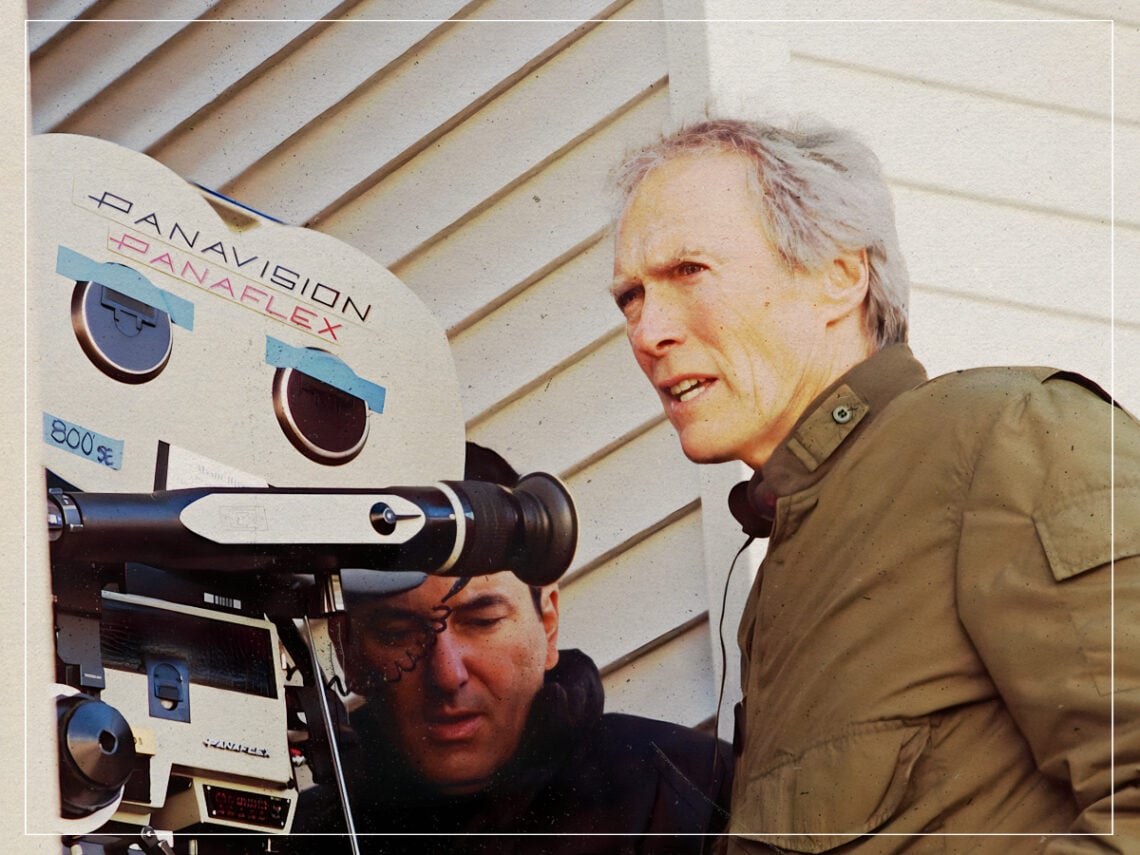
The filmmaker responsible for Clint Eastwood’s signature directing style

Clint Eastwood is one of the most prolific figures in Hollywood, with a timeless star quality that has continued to dazzle audiences from every generation. After making his name through the gritty drama of the western genre, starring in titular films such as The Good, The Bad and The Ugly, A Fistful of Dollars and Thunderbolt and Lightfoot, the actor also expanded his talents to other corners of the cinema, reprising the iconic character of Harry Callahan.
But despite having a natural aptitude for working in front of the camera, Eastwood also found his calling as a director, eventually leading to his directorial debut with Play Misty for Me in 1971. Since then, he has established a dynamic and humanistic style as a filmmaker, which was largely influenced by one director in particular.
Eastwood later directed projects such as Million Dollar Baby, Unforgiven and recently, Juror #2, with the filmmaker regularly working with Morgan Freeman and building a lifelong collaborative and personal relationship with him. He has somehow avoided the clutches of time and the common plight among many creatives as they lose steam in their later years, preferring to step away from the madness of being on set and enjoy some much-needed rest. However, Eastwood is not interested in this, and he has continued to work and challenge his skillset by pushing new projects forward.
But this is an approach that he perhaps learnt from one of his heroes, Don Siegel, who was the director of his 1971 film Dirty Harry.
Siegel is most well-known for his twist on the detective story with Eastwood, but he also helmed pictures such as Escape from Alcatraz and Invasion of the Body Snatchers. The director formed a strong creative partnership with the western actor, who worked on five films together. But their relationship also extended beyond their work on set, with Siegel becoming a key mentor for Eastwood in nurturing his directorial work, encouraging him to take the plunge and create his debut feature film, Play Misty for Me.
While he had a personal bias towards him after working on The Gauntlet, The Outlaw Josey Wales and The Eiger Sanction together, his unwavering level of respect for him was unrelated to their projects. When describing their relationship, Eastwood explained how he had most influenced his directorial style, saying, “He can think on his feet and work fast. Siegel has the guts to call ‘print’ after the first take — he can see it when it’s good.”
The hallmark of any good director is the ability to make decisions quickly and be firm in your vision, something that Eastwood has undeniably carried into his own films. He later became the oldest recipient of the ‘Best Director’ Academy Award, which came after the release of Unforgiven in 1993, which was also awarded an Oscar for ‘Best Picture’. He adapted to the challenges of the job like a duck to water, and this was by no doubt influenced by the many great directors he had the privilege of working with before he made this bold transition.

Never Miss A Tale
The Far Out Clint Eastwood Newsletter
All the latest stories about Clint Eastwood from the independent voice of culture.
Straight to your inbox.