


The Eagles just hit a career low in the charts: what does it mean for classic rock in 2026?

Of all the classic rock giants, the Eagles remain the most closely tethered to the 20th century.
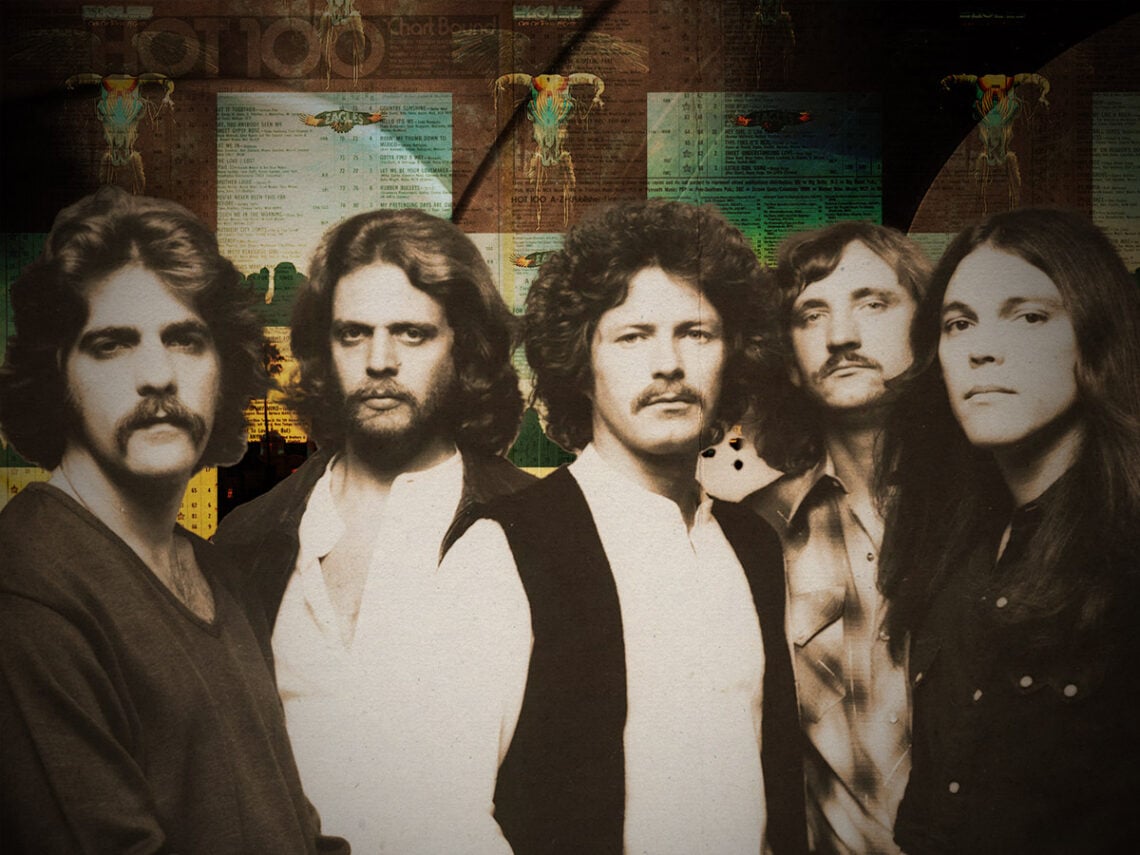
When they bestrode the 1970s, Don Henley was still able to walk around Hollywood unrecognised. They repelled celebrity, keeping their faces off their album covers, giving earnest interviews rather than chasing salacious headlines, and yet, they were still giants in platform cowboy boots, nevertheless.
That approach is almost unfathomable to Gen Z in the 21st century. Now, things are fast and ferocious even when it comes to the revision of classic rock’s past. These days, any band with anonymity is usually masked. The Eagles’ inadvertent rejection of promotion in favour of an art-first approach is foreign in the modern context.
It appears that incongruity with the mechanisms of the present is, ironically, impacting their popularity in the modern age amid classic rock’s continued rebirth. While they might still be the only artists with two separate albums in the top ten best-selling records of all time list, they recently were the recipients of an unfortunate career low point in the charts.
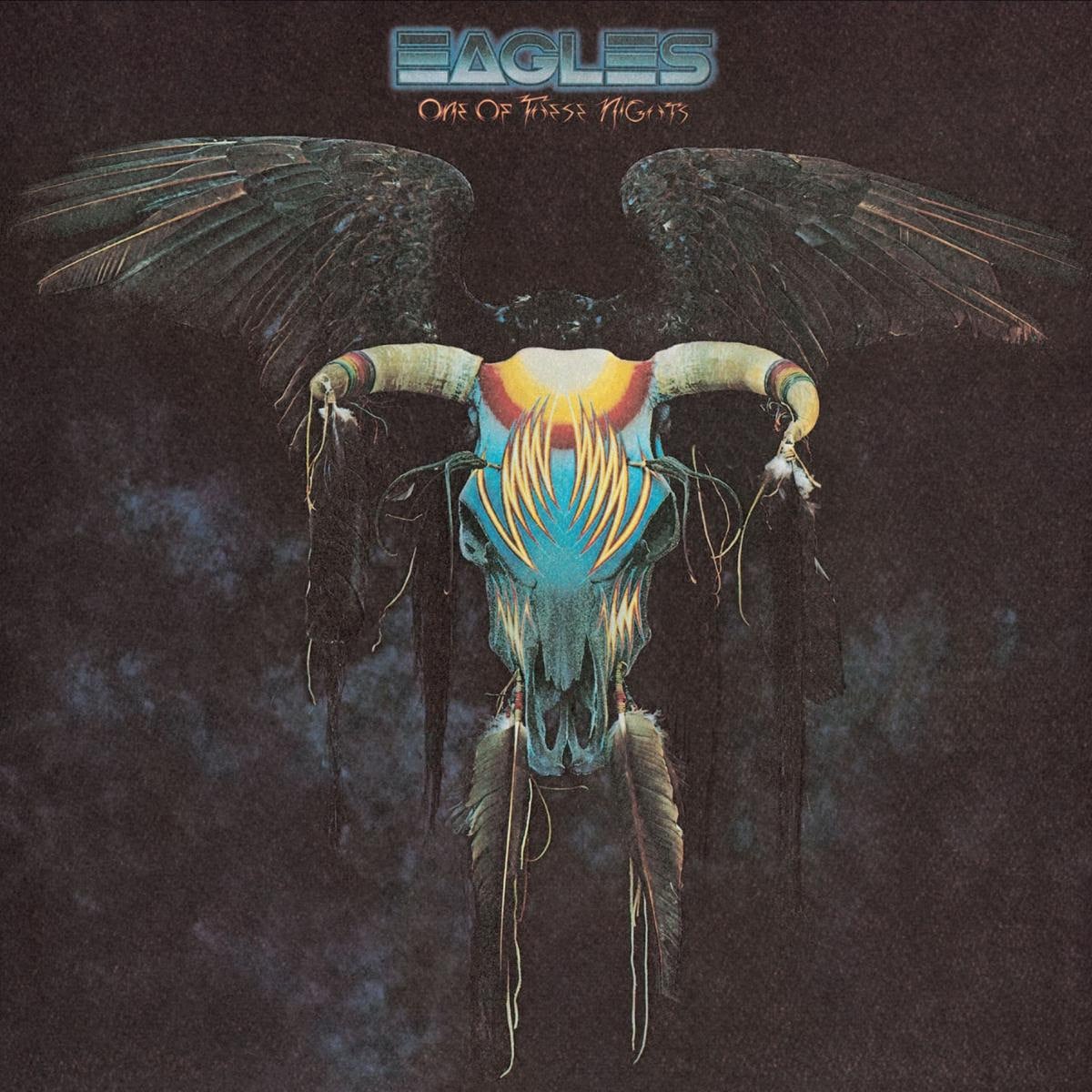
The recent deluxe reissue of their 1975 album, One of These Nights, debuted at a measly 26th on the Vinyl Albums Chart in the UK. It was the first release in the band’s history not to break into the top ten of a chart that their music so perfectly matches. Back in 1975, the record became the band’s first number one album and yielded three top ten tracks. So, why have its fortunes faltered this time around, at a moment when reissues often dominate the commercial sphere?
Eagles: Is their popularity waning?
Well, despite One of These Nights producing notable hits upon release, like everything that the country rock band rolled out, it was very much an album album. In some fashion, each of the group’s releases was concept-adjacent, designed to be played as an LP.
Yet, the band were also keenly aware of their commercial potential, so they weren’t quite as steadfastly focused on front-to-back playthrough as some of their prog counterparts, for instance. That middle ground may well have fallen out of favour nowadays.
Recently, Steve McCarthy, the Programme Leader for Music Business at LCCM, told me “that TikTok claimed 84% of songs that entered Billboard’s Global 200 chart in 2024 went viral on TikTok first”. It’s a startling trend that even impacts reissues.
In part, this is because of another statistic that coincides with TikTok’s claim: 44% of vinyl buyers in the US in 2024 were under the age of 35. That means almost half of the target audience for the Eagles’ flagging reissue find out about and ‘consume’ music within the fragmented modern marketplace. And even classic rock bands can’t rely on the same old classic rock fans buying the same old classic rock albums. They need that 44% to get on board with their timeless appeal.

In the 1970s, a handful of rock bands occupied the centre of popular culture, with the Eagles doing so in a uniquely unconventional way. Today, culture is fragmented across genres, niches, and platforms. The Eagles excelled at polished songwriting, meticulous musicianship, and carefully crafted albums. That’s a tricky sell in 2026.
Amid the niche fragmentation of the internet, contemporary listeners often gravitate toward immediacy, personality, experimentation, or viral moments. Or an absolute rejection of that. However, the Eagles awkwardly don’t lend themselves to either approach. They don’t quite have the visceral hook to stand out from the crowd. Yet, they also fail to have the niche appeal of a distinct brand, either. So, they might struggle to gain the momentum that AM radio gave them moving forward.
Crucially, today’s music landscape is built around feedback loops, even the marketing of a vinyl from 1975. The songs that break through online are promoted to wider audiences, generating more streams, more visibility and, ultimately, even greater exposure. As I learned when I spoke with Jack Melhuish of Armada Music, who explained, “When social media virality is harnessed correctly, artists can connect with new generations of listeners and breathe new life into their work.”
For instance, MGMT’s ‘Time to Pretend’ recently garnered a 96% spike in streams after the track went viral among high school students on TikTok. Sales of the vinyl that housed the classic track also rose as a result. The dastardly Eagles don’t neatly align with that world. So, unlike MGMT’s Oracular Spectacular, their recent reissue hasn’t caught on.
Granted, there are other factors like ‘reissue apathy’ and the cost of living crisis, maybe not aligning with a pricey ‘deluxe’ release at present, but the Eagles’ recent low point seems more fundamental than that.
Their music was built for a world in which albums slowly gathered meaning. The group gradually garnered trust from satisfied listeners through a steady stream of noted releases rather than because a single song had momentarily captured the attention of the masses in a sort of odd proto-algorithmic manner. Instead, radio DJs recognised their quality and played their songs to an admiring audience.
“The fragmentation of music consumption across various platforms and genres plays a role. It creates a landscape where niche trends can explode rapidly.“
Steve McCarthy
Simply put, they became one of the biggest acts in history without ever needing to become personalities first. And when they did, there are folks like ‘The Dude’ in The Big Lebowski who would argue that was just as well, because they never really had much personality to start with. But for fans, even that was part of the appeal. They were masters, as they put it themselves, of a certain peaceful, easy feeling.
That found an audience rather casually. And that is no longer how popular culture operates. Even nostalgia now tends to arrive through a viral clip, a meme, a bloody dance trend, or a fleeting moment of rediscovery that happily collides with yet another reissue. The Eagles’ music remains hugely successful, but it exists somewhat outside of those mechanisms. It is too polished to feel novel, too familiar to feel niche, and too album-oriented to thrive in a landscape increasingly driven by moments rather than measured bodies of work (priced at around £80 over three vinyl discs).
The result is that One of These Nights (Deluxe) meant the Eagles failed to break the top ten for the first time. And while that might be seen as innocuous more so than a blemish on their legacy, one look at the many classics in the Vinyl Albums Chart, and the gaudy Rumours, angular X-Ray Spex’s Early Years, and laddish What’s The Story (Morning Glory) within its top 20, proves that peaceful, easy feelings might be struggling to align with the present in myriad ways, and their position in the best-selling albums of all time list might be under threat by sharper, more attention-grabbing releases.

Never Miss A Tale
The Far Out Classic Rock Newsletter
All the latest Classic Rock content from the independent voice of culture.
Straight to your inbox.