


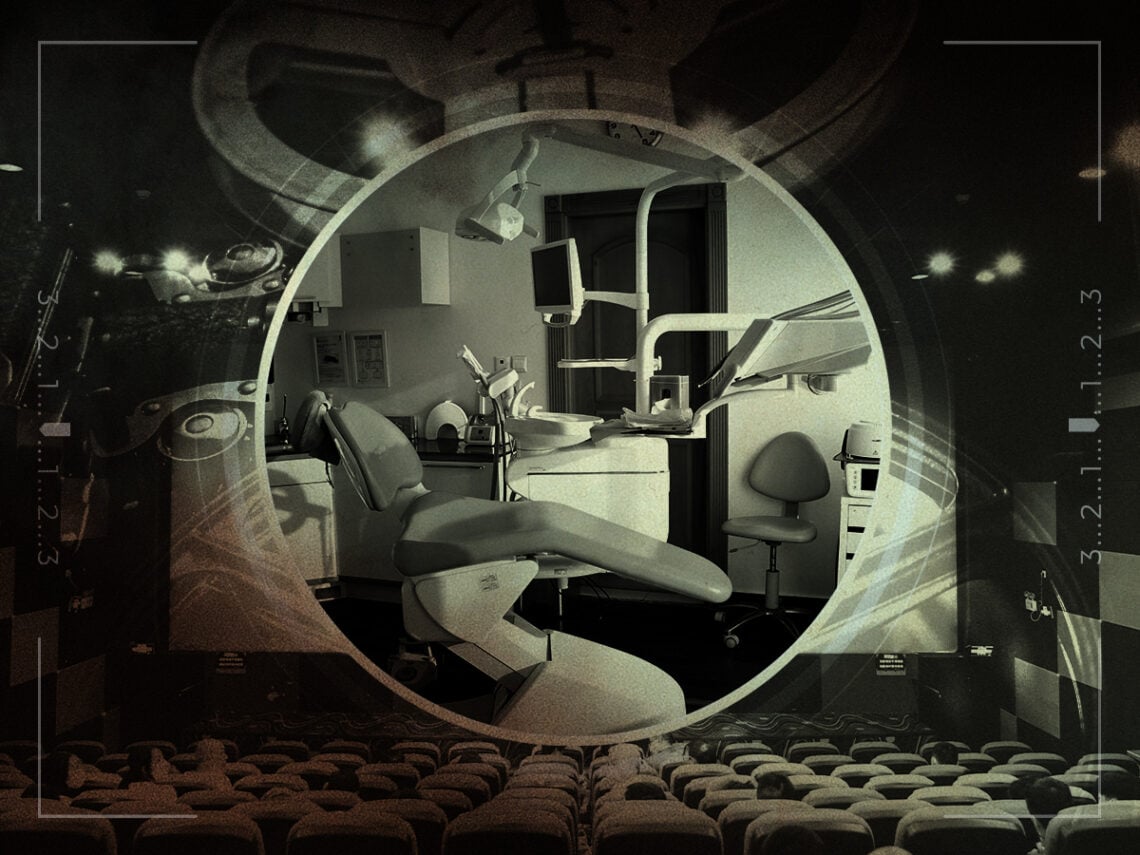
The dentist’s office that introduced arthouse cinema to Seattle

Seattle earned its most historic cinematic institution thanks to a reconverted location.
Chains like AMC, Cinemark, and Regal might dominate the United States, but the best way of experiencing a new release is to support a local, independent theatre with its own quirky origin story that makes the experience more entertaining than an established pre-show and a generic layout.
Seattle is the birthplace of grunge and has seen the inception of many of the foremost artists within the genre, but it also has a long history of supporting niche film communities and fandoms. The Grand Illusion Cinema is not only the longest continuously running theatre in the state of Washington, but the only American nonprofit cinema with a workforce composed entirely of volunteers.
As is the case with many niche theatres, the Grand Illusion Cinema has not been in its current form forever. Originally named The Movie House, it was first a dentist’s office before it was transformed in 1979 by Paul Doyle, who renamed it, and despite several threats of closure, the Grand Illusion Cinema survived to be sold to the Northwest Film Forum in 1997. The acquisition didn’t just save the cinema’s future, but allowed for a significant reconstruction that modified the seats, projectors, and propped it up with up-to-date technology.
Although involvement in the Northwest Film Forum gave the Grand Illusion Cinema a greater audience among film fans in the region, it was a cinema that had always cried out for independence. In 2004, an amicable move came when it was established as its own independent arts nonprofit with a 501(c)3 status.
While it obviously couldn’t have happened without the volunteers who worked for the betterment of the arts, Grand Illusion was also supported by a strong community. Over time, the theatre had helped bring awareness to smaller, arthouse, and independent titles, ensuring that Seattle cinephiles had a place to go to look for films that were outside of the mainstream.
It’s no secret that theatres are under fire around the nation and the world, as there have been many closures in the aftermath of the Covid-19 pandemic. Beyond the temporary gap in profits that were lost when they could not operate, the lasting damage came from regular theatregoers who became better adjusted to streaming things at home.



Given that there are now shortening windows between when a film is released in theatres and it being made available on demand or to stream, there are many households that have cut out regular attendance altogether. Moreover, the growth of original content on streaming services like Netflix has done nothing to curb this issue.
The best way to combat this trend is for theatres to offer something unique that can only be achieved by going to see a film with a live audience in a robust setting, and in this, Grand Illusion is not only staffed by those who are passionate about the art form, but also features a collection of titles that may not be available elsewhere. It’s no coincidence that the place shares its name with the classic film by Jean Renoir, which became one of the pillars of French cinema for its humanistic values and visual ambition. The spirit of both Renoir and classic cinema lives on within such institutions that are willing to introduce the cinematic arts to the next generation beyond the dead end of franchises.
