


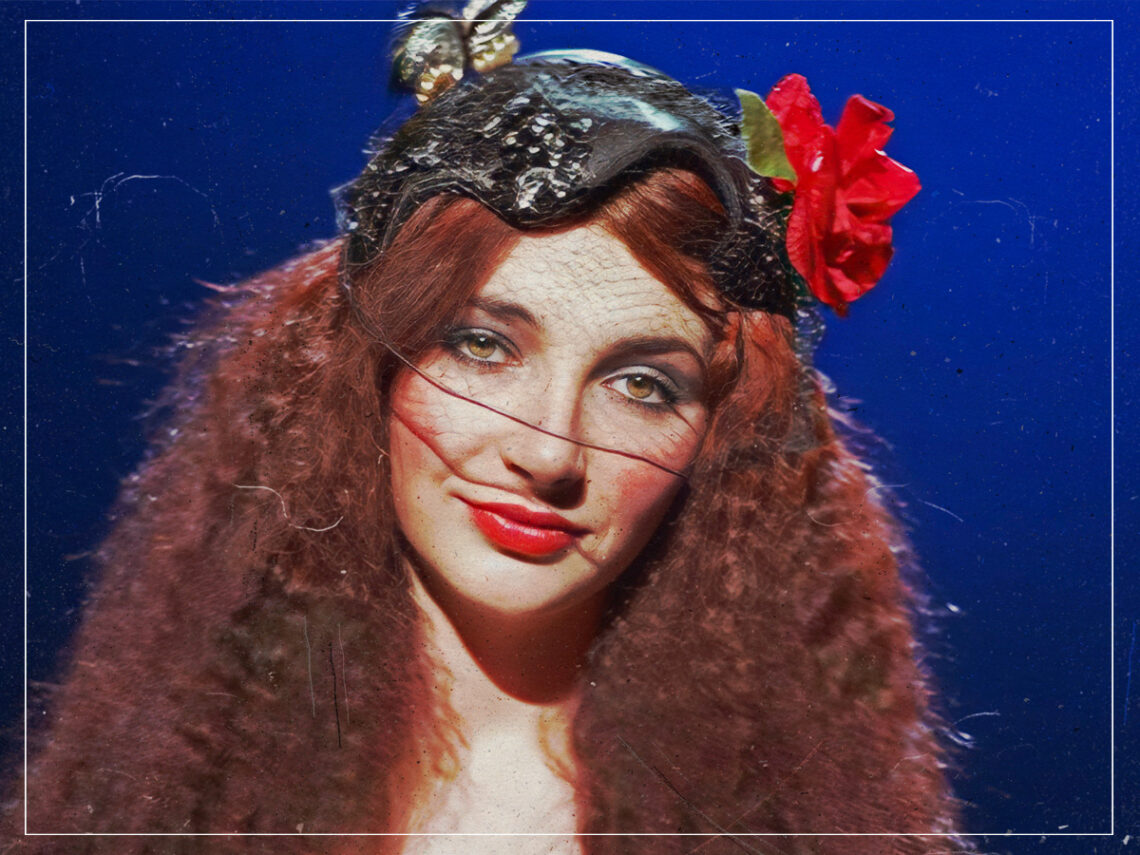
The day Kate Bush refused to open for Fleetwood Mac: “She wasn’t prepared to do that”

When considering the importance of support acts, the key is in the word itself – they’re there to assist the main act while giving people a taste of how much they can hold an audience by themselves. Countless major artists started this way, but not the master of endurance herself, Kate Bush.
It’s not difficult to understand why this was the case, not only because Bush has become deeply ingrained in modern culture but also because she started out so young, releasing her debut, The Kick Inside, at just 19 years old. ‘Wuthering Heights’ also reached number one upon release, making her the first female artist to do so in the UK with a self-written song.
Suffice it to say, therefore, that things quite literally kicked off for Bush from the word go, with a standard that she reached with every album release thereafter – all nine of which have entered the top ten. One of the biggest reasons for these successes is that Bush always prioritised creative control and artistic independence, her songs coming from different threads of her own fabric with little tampering from outside sources.
Of course, being as young as she was, Bush accepted guidance from different places, but most of her successes have come from her own striving for excellence and expression in its purest forms. This was something that David Gilmour detected in her at just 16 years old, when he discovered that she had something special enough to invest in helping her create a demo.
However, when her fame skyrocketed following ‘Wuthering Heights’, Bush received more than just newfound recognition and popularity. At the time, she was also faced with what many would now consider the opportunity of a lifetime: joining Fleetwood Mac on their iconic Rumours tour following the release of their legendary 1977 album. She turned it down, though, after she was told that she wouldn’t be able to include any additional gimmicks – no dancers, no visual embellishments, just her and a handful of musicians on stage, performing a couple of her most popular songs.
Brian Southall, the former director at Bush’s label, EMI, told Louder that these were all the reasons why she felt it would be the wrong move. “She wasn’t prepared to do that,” he said, reflecting on how she essentially didn’t want to do something that removed all of her best qualities. Funnily enough, sitting it out ended up being the best decision, as she instead embarked on her 1979 Tour of Life, the only full-length tour she ever embarked on.
As we now know, Bush poured everything into the Tour of Life, working tirelessly to completely change the style and impact of live music, she wanted to make it special, so she included props, dancers, choreography, multiple costumes, and even a magician, and according to Southall, she didn’t want to do the “conventional” thing, instead focusing on bringing her music to life in ways people didn’t expect.
The entire tour has become mythologised somewhat, mainly because it’s hard to find any actually good footage of it, but also because, barring Bush’s 22-date Before the Dawn residency in 2014, the singer rarely has that same face-to-face connection with her audience. A startling fact when you consider the type of artist she is, and how much she changed the landscape for visual art and innovation in more ways than we can even imagine.
However, maybe that’s precisely why her legacy lives on: she exists in both close proximity and far away, impacting culture by consistent resonance without having to actually be physically present. As a perfectionist, this is also the ideal position to take, working on the sidelines and only appearing when, if, the time is right.
