


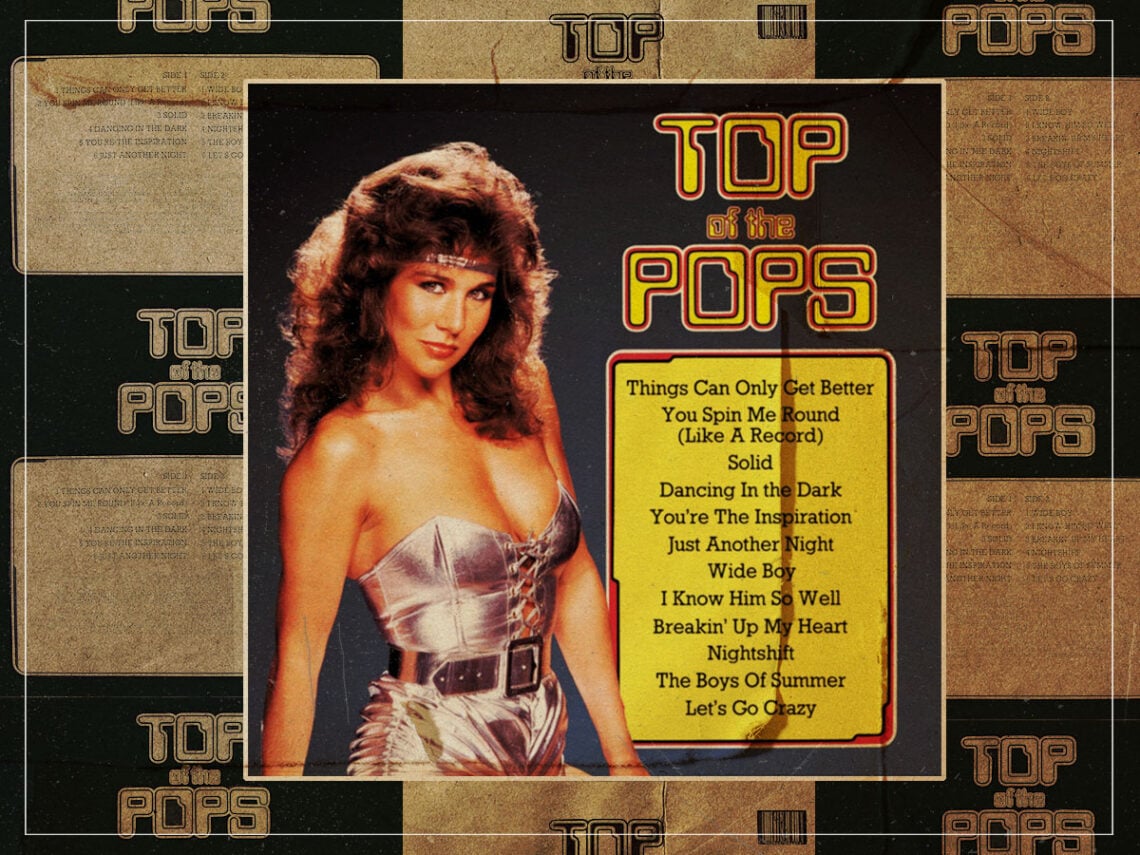
‘Top of the Pops’ imitations: the curious case of soundalike records

It seems utterly bizarre now, but from the late 1960s, there was an entire industry built on ‘soundalike’ records, budget imitation versions of the hits of the day performed by anonymous session musicians and released as an alternative for cash-strapped kids who didn’t have the pocket money for the real thing. Listening now is a surreal and, at times, unnerving exercise in aural uncanny valley disquiet, plus unintentionally hilarious.
Dreamed up by record honcho Allan Crawford and inspired by Music for Pleasure label’s Hot Hits imposter pop releases, the idea was to pump out a steady string of mimicry compilations with the help of Pickwick distributor’s Hallmark label on the cheap and inexpensively available to newsagents and Woolworths retailers across the country. Hijacking the untrademarked name of the UK’s premier music show, the unrelated Top of the Pops series was launched in 1968, dedicated to underwhelming a generation of teen boppers til its eventual demise in 1985.
Music writer and Professor of Popular Culture Roger Sabin spoke in 2019 of Pickwick’s target demographic: “People who bought their records from here wouldn’t necessarily be frequenting specialist record shops. Maybe if you were a youngster, it’s how you would have first experienced some of the punk bands, other than Top of the Pops itself. The records were so cheap that they would have been in pocket-money range. Maybe if you’re a grannie, it’s where you’d buy your birthday/Christmas presents for relatives.”
The full breadth of pop is attempted, but what triggers the laughs is the futile attempt at capturing rock characters like Mick Jagger or Marc Bolan in wholly sexless and fake renditions of ‘Honky Tonk Woman’ or ’20th Century Boy’.
Even worse is Top of the Pops‘ stab at glam’s avant-garde mavericks, ‘Virginia Plain‘ sounding confused by the synthesizer the team are forced to work with, and there’s even a go of The Godfather theme on 1972’s Top of the Pops 25. Providing easy work for a host of ambitious young musicians eager for their big break, Trevor Horn and even a young Elton John offered their secret services to Hallmark in the late 1960s.
While making some sense in the strange universe of mid-1970s UK music, it became increasingly archaic and inexplicable in the 1980s. Songs born from punk and filled with political bite are not spared Top of the Pops‘ imitation game. The Specials’ ‘Ghost Town’ plods along with eerie thinness and a nagging suspicion that the singer’s affected Caribbean impression of Neville Staple comes from the whitest man imaginable.
Ending the series with 1985’s Top of the Pops 92, kudos must go to the most uncharismatic and pallid attempt at Bruce Springsteen on their anaemic cover of ‘Dancing in the Dark’ which genuinely sounds like ALF has taken the mic from The Boss.
Pulp frontman Jarvis Cocker perfectly summed up Top of the Pops‘ legacy in his 2022 memoir Good Pop, Bad Pop: “Usually, I avoided these records like the plague when I came across them at jumble sales… The original idea behind these albums must have been, ‘It’s all worthless trash anyway, so the kids won’t be able to tell the difference.’ But of course we could.”
