


The Cover Uncovered: ‘The Who Sell Out’

The entire purpose of writing an advertising jingle is to be as catchy as possible in the shortest space of time in order to stick out in the memory of the consumer and force them to want to buy your product. If you fail to do that, you can kiss any chance of commercial success goodbye. Writing a good pop song is, in essence, not too dissimilar, except the product you’re trying to sell is the music itself rather than a tin of baked beans – that is, unless you’re The Who.
In 1967, the British rock group released their ambitious third album, The Who Sell Out, which is a concept album that, while remaining true to their pop-rock sensibilities, is strewn with fake advertisements for real-life products that you can purchase from your local supermarket. While this may seem like a wild idea for a band to attempt so early on in their career, and potentially a marker of career suicide, only a band with the sort of wit and charm of The Who could pull something like this off with such flair.
The idea of ‘selling out’ and doing product placement is something that fans of bands often turn their noses up at, and as a result, the concept of the entire record was initially met with scepticism from fans that translated into poor record sales. However, their execution of the idea was actually exemplary, and it’s perhaps one of the band’s finest works in their catalogue.
The idea itself originally stemmed from the fact that their music wasn’t getting a great deal of attention from commercial radio stations, but had been getting a significant amount of airtime from pirate radio stations such as Radio Luxembourg and Radio Caroline. A notable feature of these illicit broadcasting stations was the fact that the musical content would be interspersed with adverts for products so they could make money, and the band wanted to emulate this in the record by recording their own jingles and placing them between the more conventional songs on the record.
So, when you hear a brilliant track like ‘Armenia City in the Sky’ that opens the album and it’s quickly followed up with a jingle for ‘Heinz Baked Beans’, you can rest assured that the band weren’t actually selling out, but they were attempting to create a work of satire that pokes fun at consumer culture and the ugly rise of capitalism.
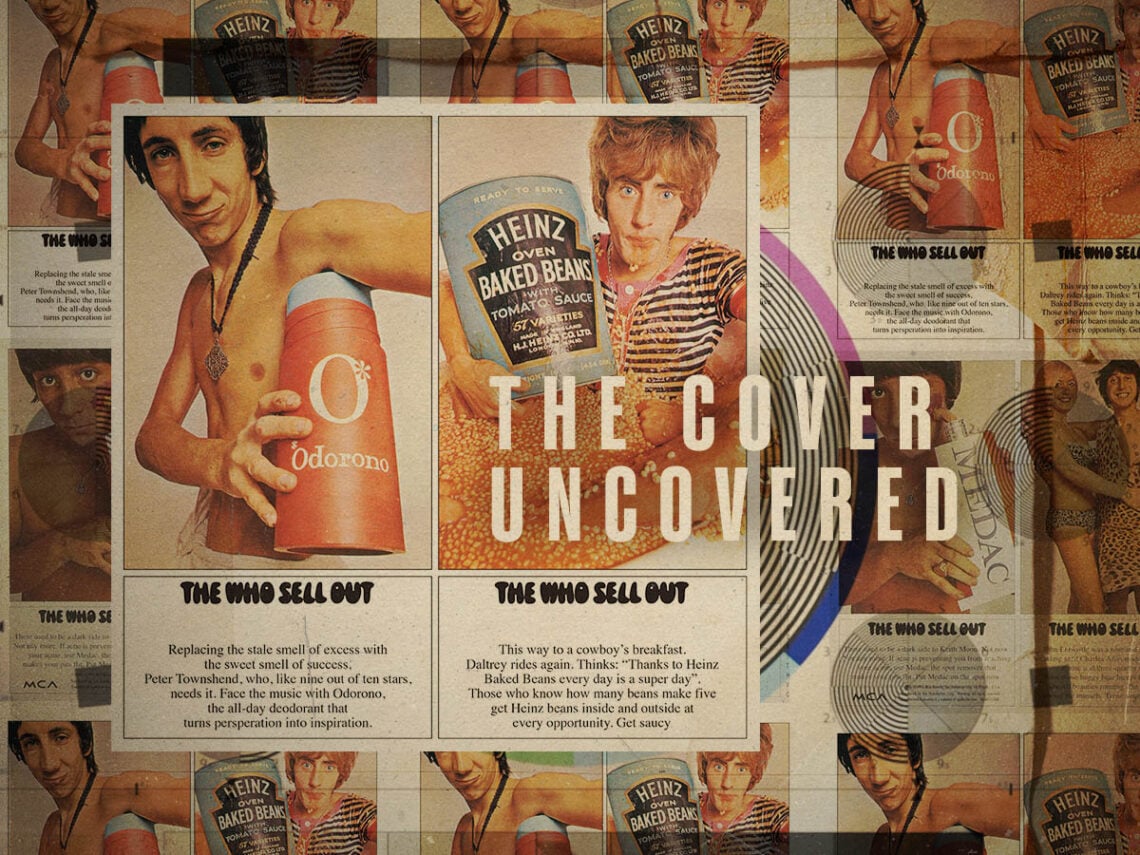
The artwork and packaging for the album ties into the theme of the record, with images of the band enacting product placement for a number of the items that they’re supposedly ‘selling’ in the jingle interludes. Guitarist Pete Townshend can be seen applying a stick of Odorono deodorant, which is the subject of one of the album’s songs, while frontman Roger Daltrey is reclining in a bathtub full of baked beans, something he claims to have contracted pneumonia from due to the fact he had to sit in a vat of refrigerated food for the duration of the cover shoot.
The band are clearly hamming it up on the cover as well, with both of the products that Daltrey and Townshend are advertising being massively oversized, a jab at the nature of consumerism where products are often exaggerated in their brilliance. Beneath both photographs are fake testimonials from the band as well, with their experiences of using said products being used in an attempt to ‘sell’ the products. Daltrey is quoted as saying, “Thanks to Heinz Baked Beans, every day is a super day”, while Townshend is replacing “the stale smell of excess with the sweet smell of success” by applying the Odorono stick.
Of course, it’s hard to tell whether the sales of the album drove up the sales of any of the products they were shilling for, and likewise, nobody knows if any devoted deodorant buyers saw the cover and thought they’d give The Who Sell Out a spin, but it remains one of the cheekiest but most fantastic records of The Who’s early career, and a fantastically silly dig at consumer culture.
