


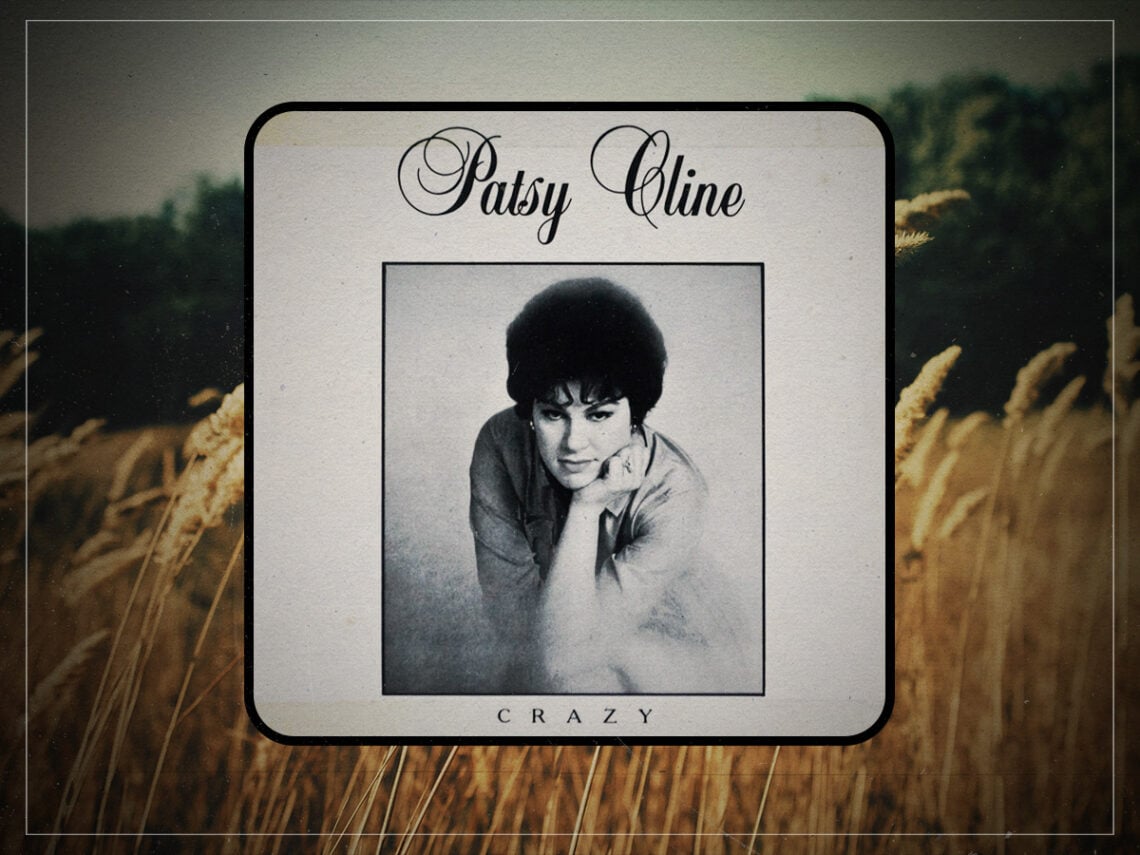
‘Crazy’: the country ballad that changed two of the genre’s leading lights forever

While country music has undergone plenty of changes over the course of its existence, one aspect of the genre that has remained one of its most prominent features is the sheer amount of emotion that is squeezed out of every song.
There are many different moods to this expression of emotion within the genre: you can either go down the ‘overtly political and righteous’ route, the ‘down, out and totally despairing’ route, or the ‘so in love it’s painful either way’ route, and all of them will provide you with the basis of a potentially successful country song if you’re able to add a fitting melody and chord structure over the top.
Arguably, the first two types of country song listed have been around much longer, but when the first song to be written in the latter style arrived, it changed the entire course of the genre and the way lyricism is approached in it.
While Willie Nelson’s career has seemingly been around longer than the concept of time itself, with his career first starting in 1956, his early career was characterised by struggles, with him working as a songwriter-for-hire rather than achieving much success in his own right. He may well have gone on to achieve notoriety in the 1970s onwards with his ‘outlaw’ brand of country, but he’d arguably done plenty to influence the direction of country by that point without people realising.
Written in 1961, Nelson would have no idea that his composition, ‘Crazy’, would go on to become recognised as a standard of country music for years to come, as he initially couldn’t find the right person to take the song on and record their own version of it. Billy Walker had previously declined the song, stating that he believed a woman would be better suited to the song, and without any home for the track, Nelson’s search for a vocalist continued.
However, he took Walker’s comments to heart and eventually sent the track through to producer Owen Bradley, who hooked him up with Patsy Cline. Despite having been involved in a serious car accident that had threatened to derail her career entirely only a year before, Cline accepted the song and set about recording her rendition.
Despite some initial struggles with the structure and her own ability to hit the higher registers as a result of the injuries she had sustained, she persevered through many failed attempts to get the perfect take and managed to record what Bradley called a “magic” performance of the song. The song’s lyrics are filled with a sense of anguish over a love that feels as though it will almost inevitably be lost, and because Cline has to push herself to be able to nail the song, the pain of the song is heard in virtually every note.
Country music rarely managed to cross over into the mainstream charts during this time, but it managed to reach a peak position of number nine on the Billboard Hot 100, remaining in the charts for a total of 21 weeks. It was undoubtedly one of the biggest commercial successes that any country song had had at this point in time, and marked a turning point for the genre.
While country is now thought of as being accepted in the mainstream, it’s largely as a result of songs like ‘Crazy’ and their way of expressing pain through the medium that it has become such a popular and relatable genre. If Nelson hadn’t been able to find Cline as the perfect voice to sing the song, then decades worth of a genre may well have been perceived entirely differently.
