


The coolest guy in the world, according to Rick Rubin: “He loved being an artist”

Rick Rubin often feels more like a Zen master of music these days than an actual producer.
After years of being known as the guy who helped bring hip-hop acts like Run-DMC to the masses, there seems to be nothing off the table for him to work on, whether that’s helping pair down projects for Kanye West or helping acts like Slipknot and The Strokes get in touch with what made their songs work, to begin with. But when it comes to the most iconic acts he had ever worked with, Rubin said that Johnny Cash was the coolest person to share a studio with.
Because when you think about it, Cash was already a living legend before Rubin got involved with him. He had his downer moments, yes, but as soon as the 1990s rolled around, it felt like Cash had settled into content middle age, especially since he started working with the supergroup of fellow country legends in The Highwaymen.
Since the 1980s weren’t necessarily kind for Cash’s commercial image, though, Rubin’s plan for him was to bring him back to the ‘Man in Black’ persona that he was known for. Cash may have still had a heart of gold, but the person who had been etched into history was a truly gothic figure, and American Recordings helped establish him as a tour de force again.
What made Rubin’s approach so unusual was how little it resembled a traditional comeback campaign. There was no attempt to modernise Cash with fashionable production tricks or surround him with younger stars in the hope that some relevance might rub off.
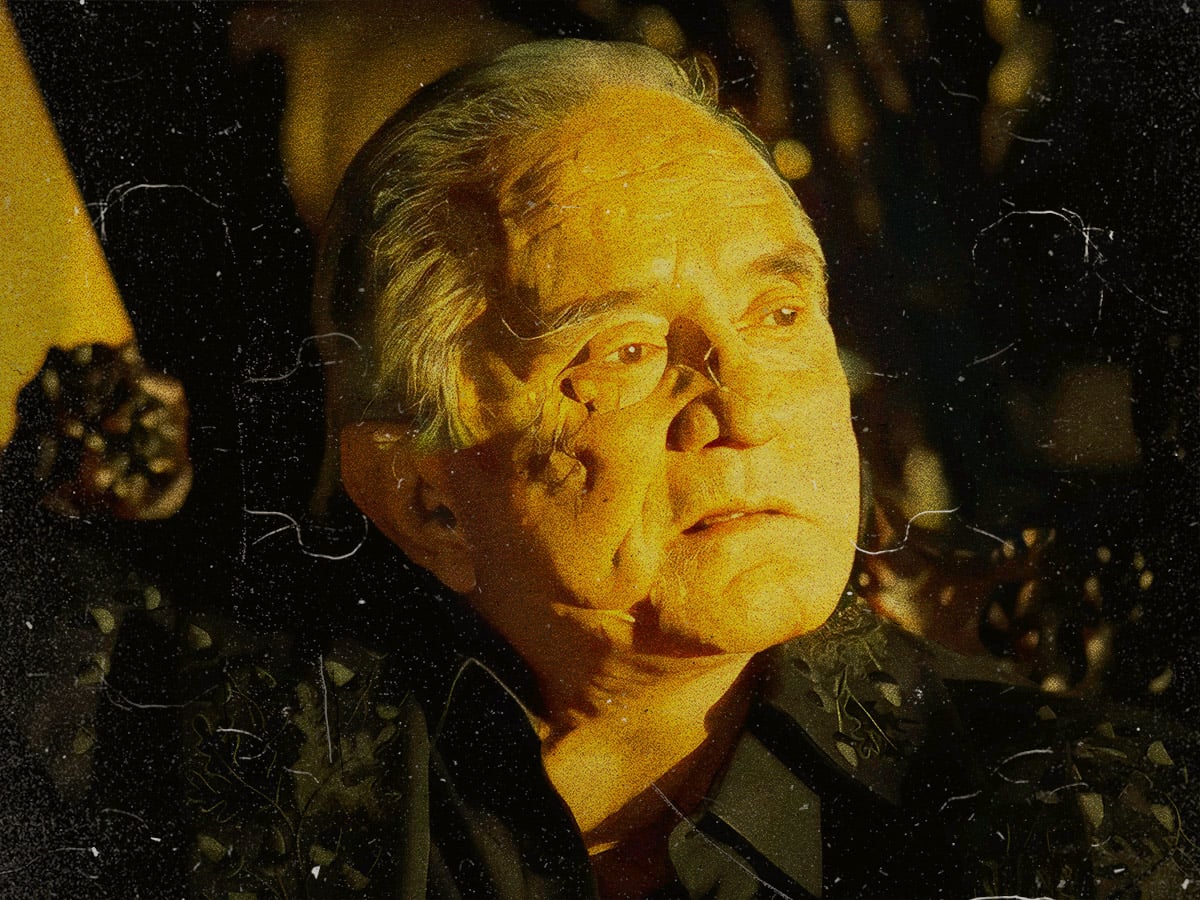
Instead, Rubin stripped everything away until all that remained was Cash’s weathered voice and the stories he chose to tell. The minimal arrangements made every crack and pause feel meaningful, turning age into an asset rather than a limitation. It was a reminder that authenticity could be far more powerful than reinvention, especially for an artist whose greatest strength had always been making every lyric sound lived rather than performed.
Rather than just go back to a sound that he knew would work, many of the covers Cash and Rubin assembled had more to do with the stories in the tracks than whether it suited his voice. Cash was always a much better vocal actor whenever he stepped up to the microphone, so getting the opportunity to hear his take on darker material felt like the same guy from At Folsom Prison suddenly being resurrected.
Even though Cash would fall ill during his American series of albums, Rubin still marvelled at the sheer badass nature that he had in the studio, telling Sound City, “He was the coolest guy in the world, and he was really humble. He was sick during the making of that record, and there were times where we had to take breaks, but he loved recording. He loved being an artist.”
Despite not having a mainstream hit in years, American Recordings was the start of a new era for Cash that endeared him to rock fans just as much as country fans. Using the Heartbreakers on his next album, Unchained, Cash was starting to re-establish his credibility as an artist. For all of the more embarrassing tracks that he made back in the 1980s, this was what would have sounded like if Cash had been listening to artists like Nick Cave in his spare time.
That crossover appeal was one of the most remarkable parts of the American era. Younger listeners who had grown up with alternative rock or grunge were suddenly discovering Cash through interpretations of songs by artists like Soundgarden, Nine Inch Nails and Depeche Mode, only to find themselves digging backwards into his Sun Records classics.
That artistic integrity Rubin talked about wasn’t lost on Cash, either. Throughout his time working on his final albums like American IV: The Man Comes Around, he was still trying out spaces within his own voice to see what fit the moment, whether it was country classics like ‘Give My Love to Rose’ or reinterpreting songs like ‘Danny Boy’ or ‘In My Life’.
Some of those new renditions may have just come down to what Cash could sing then, but that hardly mattered. If anything, the fact that he was still able to match that deep bass tone that he had in his prime just reminded everyone else that they should never count out the giants of the music industry.
