


The co-star Paul Newman couldn’t stand working with: “Screen generosity was not part of his vocabulary”

Paul Newman, with his piercing blue eyes, always left an impression on audiences. He landed his first role in 1954’s The Silver Chalice, but it was 1958 that became his breakthrough year, with the actor appearing in two captivating roles.
Alongside Elizabeth Taylor, he starred in Cat on a Hot Tin Roof, earning himself a ‘Best Actor’ Oscar nomination, but not before appearing alongside his lover Joanne Woodward in The Long, Hot Summer.
The latter film, which also took inspiration from Cat on a Hot Tin Roof, demonstrated Newman’s abilities to command a screen. He effortlessly portrayed the dangerous Ben Quick, charming many viewers with his sweaty and suntanned appearance. The actor was perfect for the part, mastering the manipulative character with his sly grin, much to the acclaim of critics.
He was delighted to be able to work with Woodward, whom he would go on to marry shortly after, remaining with her until his death in 2008. Newman fell hard for his co-star, whom he had previously met in the theatre, and he was glad to have her by his side during filming. Unfortunately, they had to work with a cinematic icon who proved to be rather difficult to get along with.
Newman once described the shooting of the film, writing: “What also made the shoot memorable was Orson Welles’s presence. He was pretty standoffish, and he seemed to feel uneasy around Actors Studio people; besides me, there was also our director, Marty Ritt (with whom I also later made Hombre, Paris Blues, The Outrage, Hemingway’s Adventures of a Young Man, and Hud) and Tony Franciosa.”
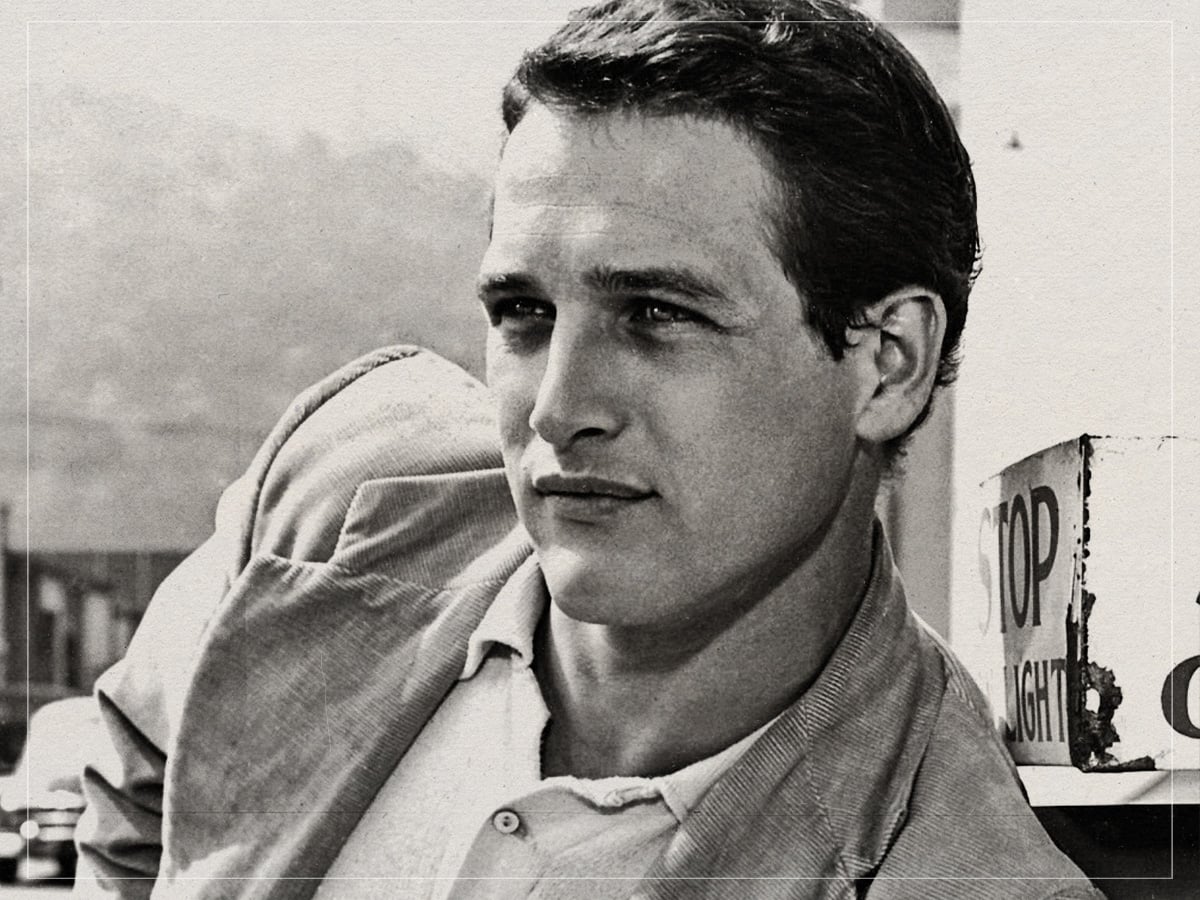
The Actors Studio style of performance is more focused on method acting, with Lee Strasberg directing the organisation from 1951. Newman was a member alongside many talented stars, like Marlon Brando, Al Pacino, Anne Bancroft, and Steve McQueen, but Welles clearly wasn’t interested.
Newman continued to explain Welles’ difficult nature while filming. Adding, “Orson couldn’t understand screen generosity, where one actor allows another player in his scene to deservedly get the best camera shots. Screen generosity was not part of Orson’s vocabulary. After a number of retakes on a scene he did with me, Orson asked Marty if he could have a private word with him. They stepped away together, and seemed to be discussing something rather serious. When they came back, we did another take, and afterwards, I asked Marty what was going on.”
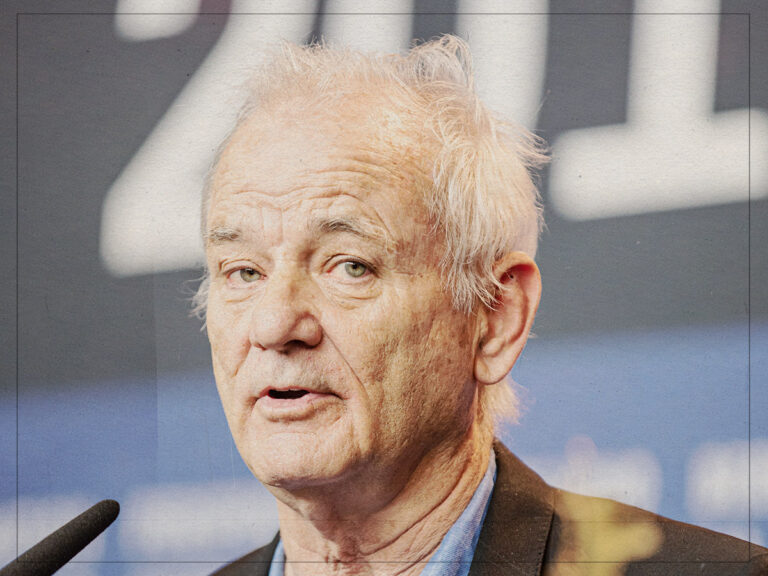

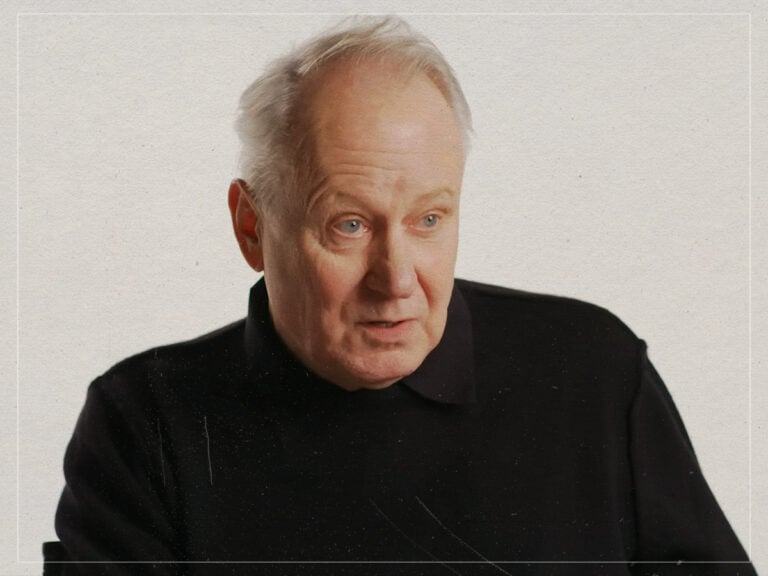
It seemed as though Newman and Welles, known for starring in and directing Citizen Kane, had different approaches to acting. Ritt told the star that “Orson thought you were submarining him,” with Newman adding, “it was an actor’s way of saying someone was stealing his screen time.”
Newman didn’t seem to agree with this diagnosis: “Orson had actually been dragging his part of the scene so I’d get less screen time than he would. At the Actors Studio, we believed that what the camera should create is a sense of community among a cast. When Ritt shot the big scene where Franciosa’s character crazily keeps digging for a nonexistent buried treasure beside Welles’s barn, Tony did it wonderfully; he was powerful, organic, and unpredictable. Orson went over to Marty afterwards and wearily said, ‘My God, I feel old, like I’ve been riding a tricycle in a barrel of molasses.’”
Evidently, you can be as acclaimed as Welles, but you still clash with other stars. It seems as though the baseline layer of egotism that comes with acting certainly rose too far above the surface when Welles was shooting the film.
Still, despite the tension behind the scenes, The Long, Hot Summer remains one of the defining films of Newman’s early career. His performance as Ben Quick carried the same simmering charisma that would later make him one of Hollywood’s most enduring leading men, balancing danger and vulnerability in a way few actors of his generation could manage.
Opposite Woodward, the chemistry felt completely natural, giving the film an emotional realism that elevated it beyond a standard Southern melodrama.
For Welles, meanwhile, the production reflected the growing divide between old-school Hollywood grandeur and the newer method-driven approach championed by actors like Newman. Both men were giants in their own way, but their conflicting philosophies about performance and screen presence were never likely to coexist peacefully.
Even so, the clash of personalities arguably added another layer of intensity to the finished film, turning an already combustible story into something even more memorable.
