


The Clash and the greatest debut album of all time

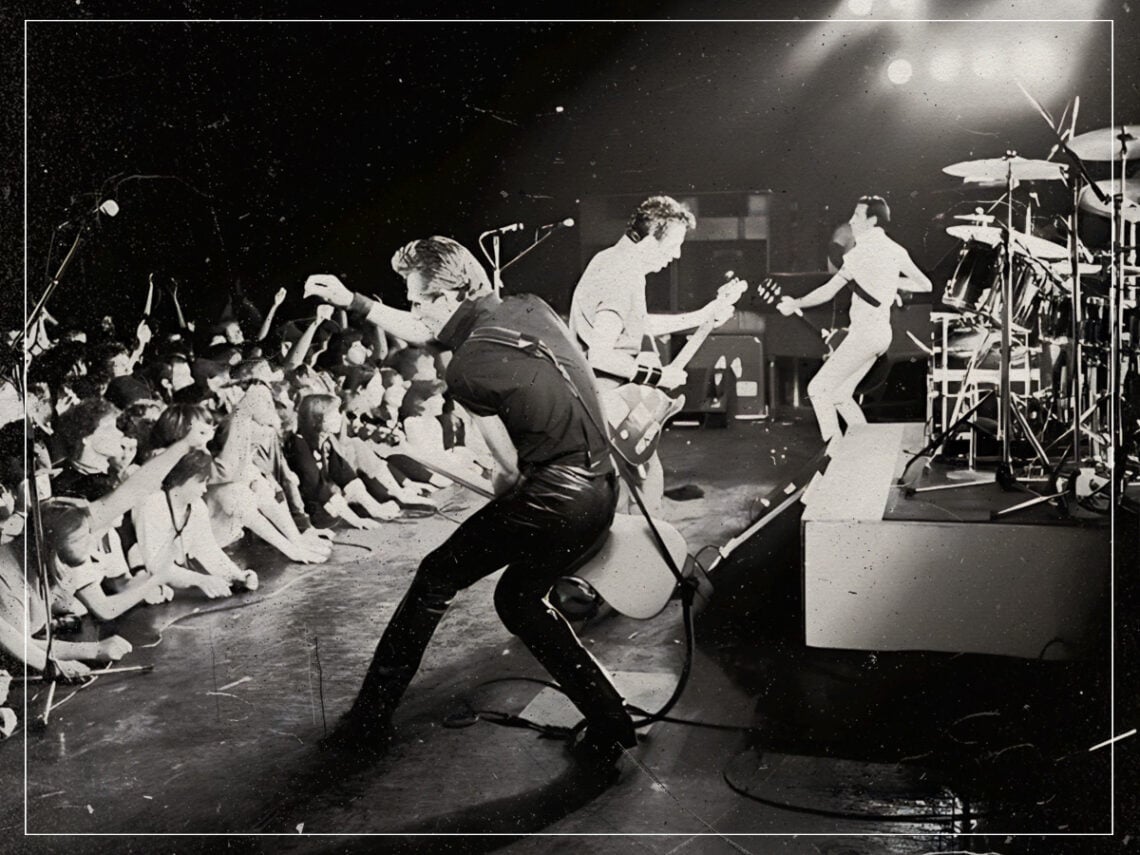
It’s easy to get drowned out in London. Even without the multitude of unwanted modern instrumentation, the capital has always been the kind of hive of activity that could leave your eardrums pierced and your voice lost among millions of like-minded miscreants hoping to be heard. In 1977, The Clash had to shout pretty loud to get their message across.
London in the 1970s wasn’t always the most habitable of cities. The counterculture boom that seemed to, from the outside at least, emanate from the glittering cobbles of Carnaby Street in the 1960s had long since waned.
The music, it seemed, had upped and left for sunnier climes, finding most of the truly beloved British artists making their way to Los Angeles to bathe in the glowing sunshine of perennial smoke at the perenium. Depending on your location in the Big Smoke, you could have had a tough time being heard in your local pub, let alone finding a pathway to national stages. For musicians, jumping from squat to squalid squat amid a flurry of cigarette breath and croaking mornings, remembering the night before, to make a few bob to get yourself a pint could be tough, but it didn’t stop people from having a go.
The lack of opportunity didn’t reverberate only in the ears of artists, but a whole new generation of would-be workers who found themselves stranded in the seas of an ailing economy. When only a few years prior, music-making seemed as much a part of the British economy as selling Sheffield steel. But things had changed and the poets, troubadors, scribes, panhandlers, and general musicians had something to say about it.
As the rumblings of punk began to shake the very foundations of London’s music scene, the London SS was a band already beginning to find their feet in the proto-punk scene. Mick Jones led the charge with that group as they continued to turn pub dancefloors into a mess of glass, nosebleeds and spilt beer.
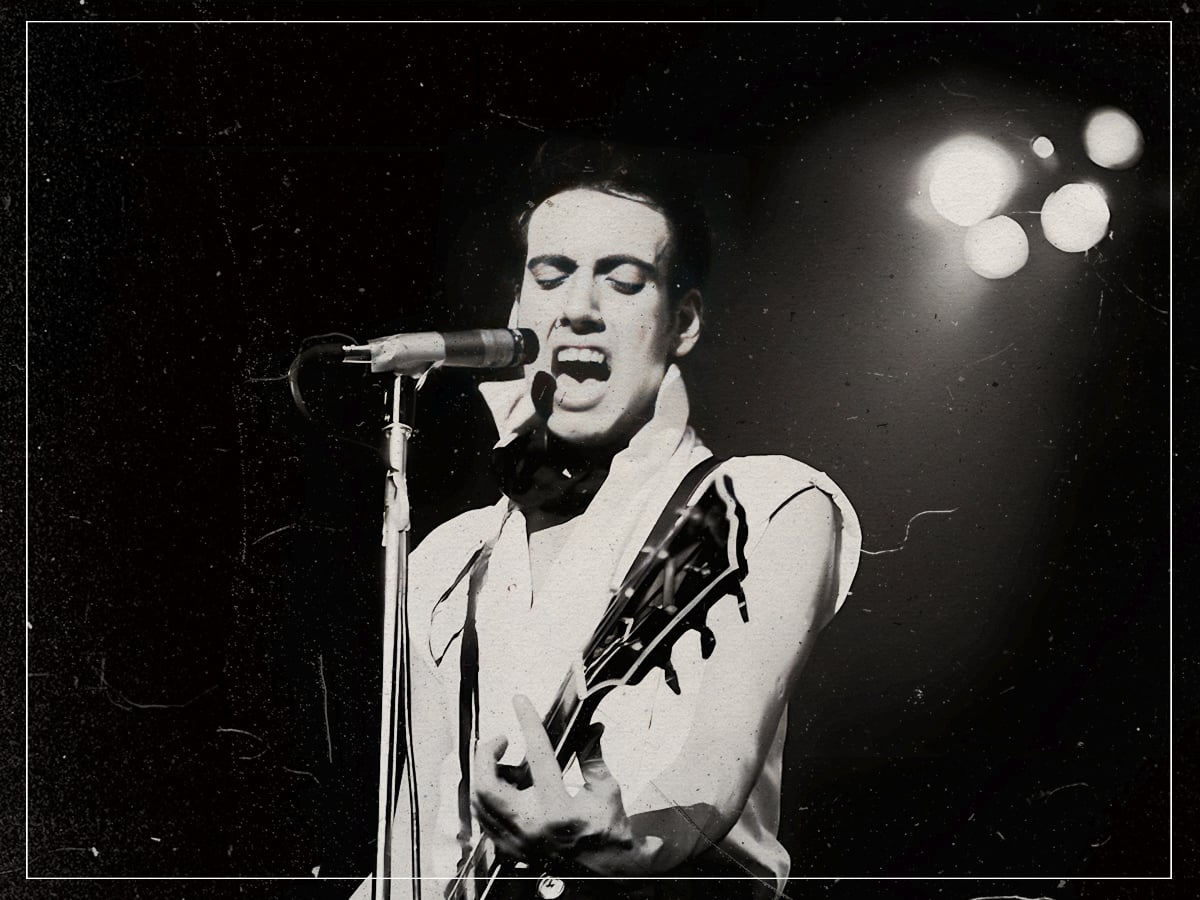
The band quickly broke up, but Jones was bitten by the music bug and, after witnessing the Sex Pistols as a supercharged thunderstorm of art school angst, something clicked for the guitarist: “You knew straight away that was it, and this was what it was going to be like from now on. It was a new scene, new values—so different from what had happened before. A bit dangerous.” Jones was desperate to get himself a new band, and his then-manager Bernie Rhodes knew just the man for the job.
Meanwhile, Joe Strummer and his band the 101ers found themselves in a filthy pub staring at the future. The Sex Pistols had taken to the stage and delivered one of the most visceral and vociferous performances the young and promising singer had ever witnessed, and he was convinced that a wave of new sounds, new style and a whole new scene was beginning to take shape.
“I knew something was up, so I went out in the crowd, which was fairly sparse. And I saw the future—with a snotty handkerchief—right in front of me,” recalled Strummer. “It was immediately clear. Pub rock was, ‘Hello, you bunch of drunks, I’m gonna play these boogies and I hope you like them.’ The Pistols came out that Tuesday evening, and their attitude was, ‘Here’s our tunes, and we couldn’t give a flying fuck whether you like them or not. In fact, we’re gonna play them even if you fucking hate them.'” This was the spark that a whole generation needed to ignite.
With introductions made and a future quickly unfurling in front of them, it wouldn’t take long for the group to form around the songwriting partnership of Joe Strummer and Mick Jones. While Strummer was positively brimming with political intent, Jones was intoxicated by the intricacies of rock ‘n’ roll. It was a potent combination that would set the band on a trajectory for the top of the pile. Or as Jones eloquently put it: “Joe would give me the words and I would make a song out of them“.
Of course, they would need themselves a rhythm section, and while Terry Chimes would take the role of drummer (later replaced by Topper Headon), it was the inclusion of punk activist and pure artist Paul Simonon that would complete the ensemble and even gave them their iconic name: “It really came to my head when I started reading the newspapers, and a word that kept recurring was the word ‘clash’, so I thought ‘the Clash, what about that,’ to the others. And they and Bernard, they went for it.”
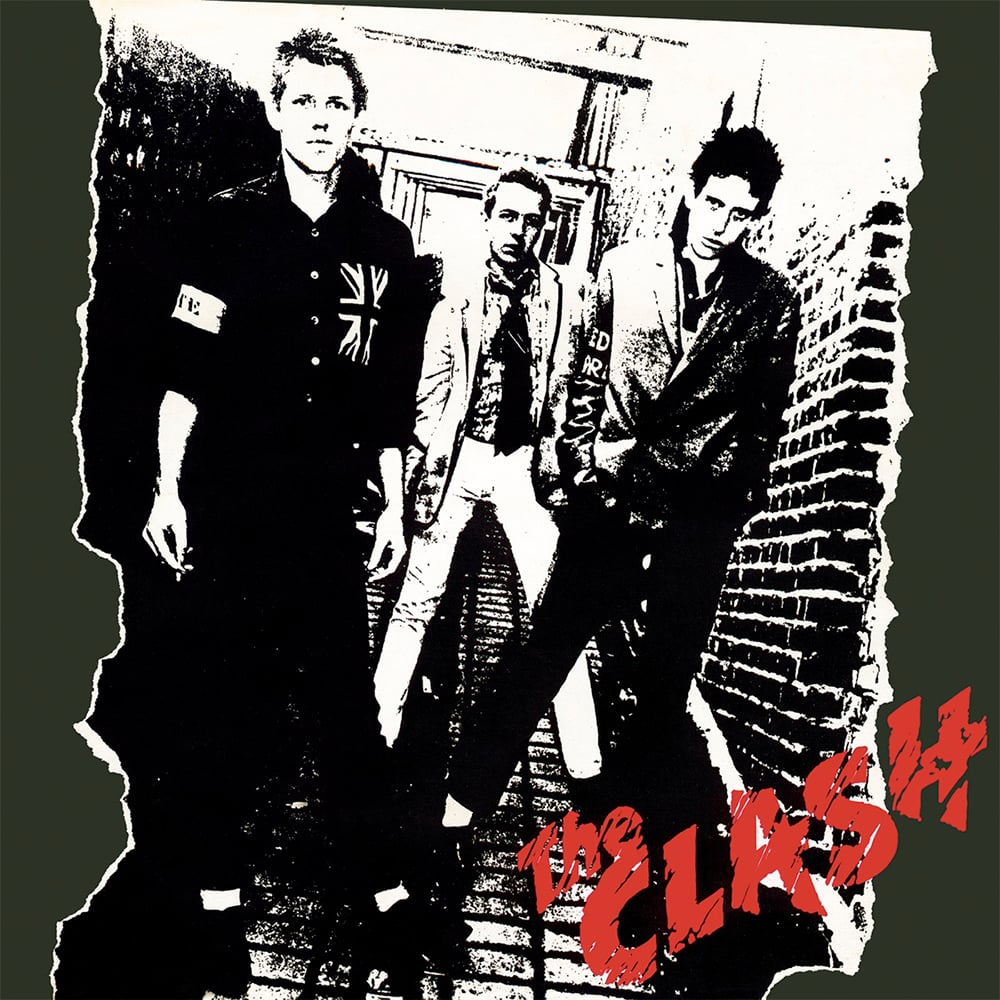
With a band in place, the quartet started to knock out some tunes, speed was of the essence with punk rock, and after only a month of rehearsals, they began touring. This was 1976, and the wheels of punk were already in motion; perhaps aware of the genre’s flashbang potential, the group rallied to pull together an album quickly. The turn of the year would see punk already begin to hit the mainstream, following the explosive interview of the Sex Pistols for the Today show the previous December, so The Clash needed to get their act together and quick.
If there’s one thing The Clash have never been afraid of, it’s moving fast. With only about thirty gigs under their belt and very few of them as headliners, The Clash were signed by CBS Records for £100,000 — a simply ludicrous amount of money at the time. The Americans were hip to the sounds of punk with their own Ramones having torn stages apart for two years already. It would lead the archetypal punk zine Sniffin Glue to provide an iconic quote: “Punk died the day the Clash signed to CBS.” They picked up their cheque and began putting it to good use, hiring a studio for a three-week stint that would provide one of the greatest debut albums of all time.
Recorded over three weekends in the depths of winter in London back in 1977, there isn’t an album that more accurately captures that moment in time, imbued with the hopeful energy of a new movement yet batted down by the world around it, than this record. It wasn’t simply a collection of songs pushed into the world in the hope of paying back that big cheque, but a series of sonic poems delivered with the kind of punch usually reserved for back alley brawls. It was a wake-up call.
The Clash showed the nature of punk’s movement, the curious need for creativity, and the refusal to be hemmed in by any remnants of the old guard. It allowed the rebellious lyrical talent of Joe Strummer to flourish while providing encouraging signs of Mick Jones’ musical prowess. While the group would soon go on to conquer the globe, using their platform to highlight the world’s ills, this album was rooted in British iconography. It was by the people and for the people.
14 tracks of fearsome and potent moments of wasted youth and untethered revolution make The Clash quite possibly the best record the genre ever produced. Argue among yourselves if you want to, but it is certainly the purest. A garage band bout of pure brilliance, it rumbles with every listener who dares give it the time and energy it requires for a proper fight.
The album is split between a desperate need to highlight working-class youth’s plight and an unwillingness to accept the role as their lot. The Clash were determined to fight against any authority they could find, and it was a hedonistic mix of thrashing guitars and potent lyricism that battered the airwaves and inflamed the soul. Of course, the album is full to the brim with Clash classics.
From their first single ‘White Riot’, to ‘Career Opportunities’ and ‘I’m So Bored of the U.S.A.’ and on to album opener ‘Janie Jones’, the songs on this record did more to cement the band’s iconography than any debut record could have hoped to. Future blueprints were also laid out with the cover of Junior Murvin’s ‘Police and Thieves’, a hint to the band’s dub expression on London Calling, and the poisonously political ‘Hate and War’, which would be a running thread throughout the group’s discography.
It went one step further, too. Not only did it solidify the footing of the band as they made their way up the path to success, but it also energised the punk scene around them. It provided some poignancy to the genre and showed that punk wasn’t all bluster, it had a point to make.
For so many, punk was a bunch of show-offs looking for a camera lens and a pat on the head. As much as Malcolm McLaren’s miscreants can be given the accolade of inspiring many of your favourite punk bands, the Sex Pistols rarely had a point to make beyond “we don’t need a fucking point”. In itself, a charming piece of art, but it rarely went beyond the single note they seemed to be able to play. The Clash turned that energy into something combustible, something that could be bottled, set alight, and thrown.
An album made by a bunch of young hopefuls with nothing to lose is the usual tale for a debut punk record but there was something altogether more authentic about this LP that let you know that The Clash were, without doubt, the only band that mattered. If a debut album’s main purpose is to open the door to a band, then there’s surely no better introduction than this.
Ladies and gentlemen… The Clash.
