


Essanay: The Chicago movie studio that blazed a trail for independent cinema

One of the birthplaces of independent movies wasn’t in one of the major coastal cities.
There’s a misconception in today’s film industry that the business is entirely based in New York and Los Angeles. Hollywood has certainly done its best to appease those who live in the coastal markets; smaller, arthouse films that contend for awards will play in these cities long before they expand, and it’s rare that any promotional events or major festivals are held anywhere else. Even if it’s become harder for American cinephiles who don’t live in New York or California, cinematic history has been far more fruitful when it’s expanded a bit further.
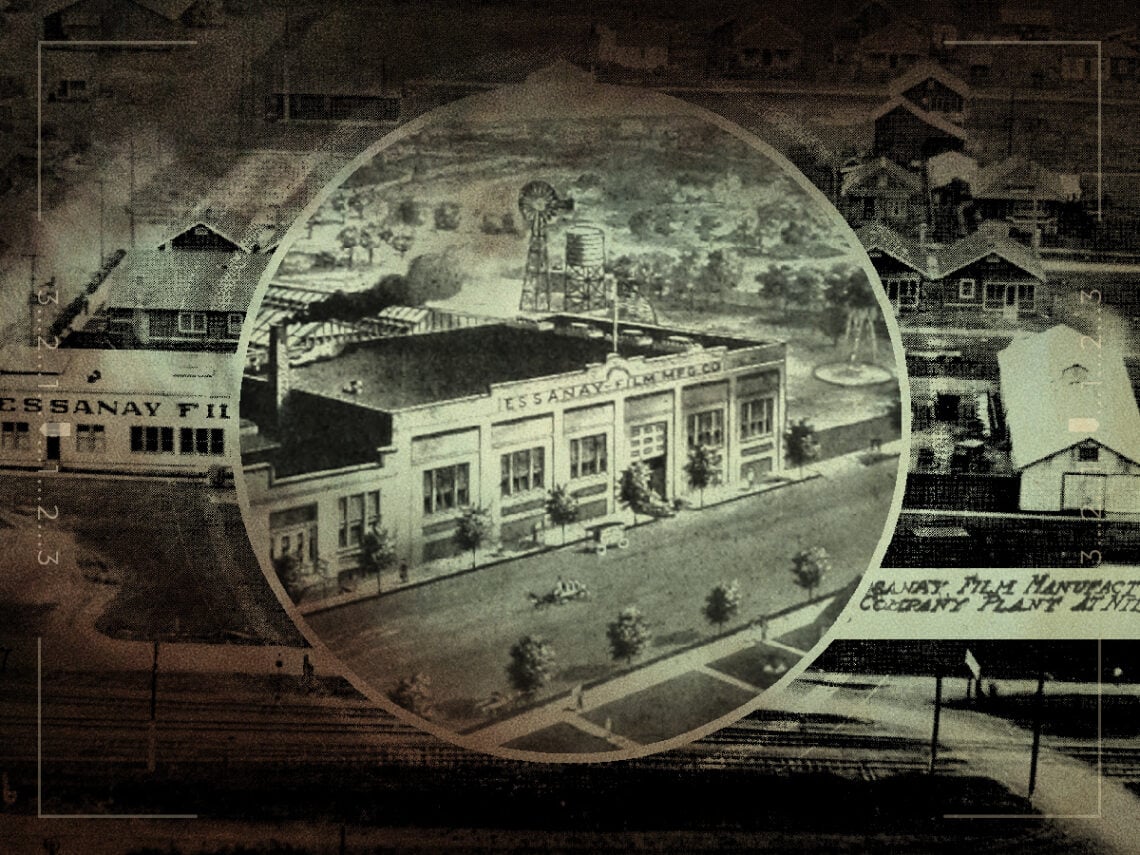
Chicago, Illinois, is the home of many classic films, such as the many John Hughes coming-of-age dramedies and the various crime thrillers from Michael Mann. However, the city’s relevance to the development of modern film began over a century ago, as the Essanay Film Manufacturing Company was founded in 1907 to produce silent era shorts.
Filmmaking technology was not widespread enough for it to become a common practice, making it less likely for independent studios to have significant sway, but the Essanay Film Company was able to produce early films involving its employees, with the janitor Ben Turpin even starring in the 1907 short An Awful Skate. The studio became prominent enough that it was able to move locations to offices in San Rafael and Santa Barbara, with an additional studio near the Niles Canyon.
The most noteworthy of Essanay’s early output were some of the first films by Charlie Chaplin, arguably the most important figure in the silent film era. While he had previously been employed by Mack Sennett’s Keystone Studios, Chaplin was offered higher wages by Essanay, which also gave him more creative control.
It was within his early work with Essanay that he began to develop the traits that would stick with him for the rest of his career, and lead to a significant breakthrough in 1915 with The Tramp, which wasn’t just the title of Chaplin’s first masterpiece, but the nickname that his character would have within many films for the next two decades.
The Tramp became the hero in such films as The Gold Rush and City Lights, both of which saw Chaplin taking more artistic risks and creating more ambitious setpieces, with the charatcer famously making his last appearance in Modern Times, a film that the filmmaker used to satirise the rise of industry and reliance on mechanisation; it famously included a scene in which the character spoke for the first time, signifying that Chaplin had finally given in and agreed to start making ‘talkies’.
His films weren’t the only ones shot by Essanay, as the Niles location offered a perfect spot to shoot westerns, including the early Broncho Billy adventures. These early westerns provided a framework for one of the most important American genres, and became the bedrock of the industry in the next few decades, thanks to the contributions of directors like John Ford and Howard Hawks.
Although this earlier era tends to be forgotten by historians because of how many shapes the genre has taken on in its over 100 years of existence, Clint Eastwood famously tackled the story with his satirical 1980 comedy, Bronco Billy. Essanay Studio may have ceased to exist in 1918, but it left a longstanding legacy within the industry at large.
