


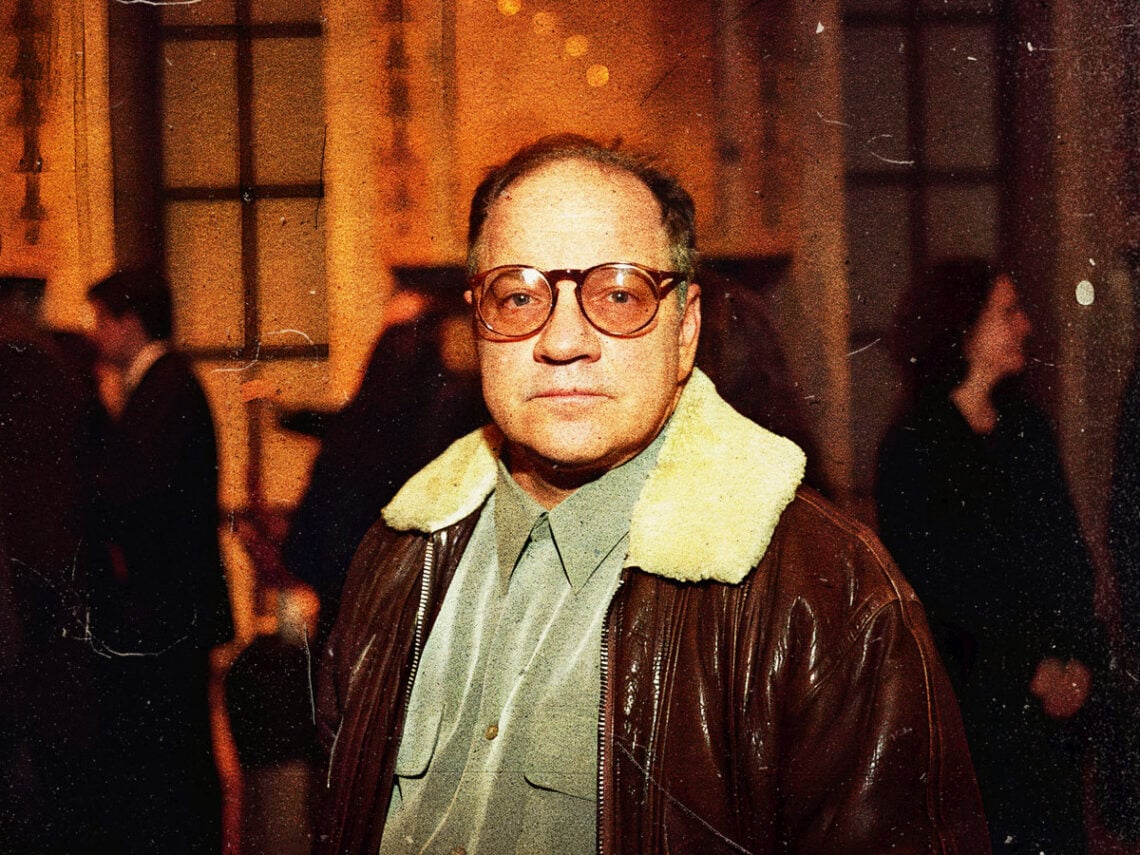
The character Paul Schrader called his “exorcism voodoo doll”

When discussing success in the film industry, the phrase “It’s all about who you know” often comes up. In the 1970s, during Hollywood’s ‘Brat Pack’ era, chance encounters and word of mouth were the basis for many famous collaborations. If you knew one person, it often meant you had connections with many others. It was through this network that Paul Schrader was able to bring the character of Travis Bickle to life in collaboration with legendary director Martin Scorsese.
During the spring of 1972, Schrader was going through a particularly dark time. His marriage had been destroyed, he was living in his car, and he’d lost any real sense of purpose or desire to continue living. He was working in the heart of Los Angeles and the epicentre of a huge cultural shift; the interpersonal politics of the film industry was changing as balance was found in the power dynamics between directors and studios, as well as the rapidly changing socio-political landscape. The stress of Schrader’s personal life made him very unwell, creating a pain in his stomach that was revealed to be an ulcer.
But, as the saying goes, everything happens for a reason, and it was during Schrader’s hospital visit that he had the idea for Taxi Driver, a man disillusioned and isolated from the world who drifts from place to place in a taxi, which Schrader saw as a metaphorical coffin and an image that represented how he felt in his own life. A character that is somewhat connected to the world around him but ultimately trapped, unseen and invisible to the crowds of people that surround him. He wrote the film quickly, later explaining that the process of realising Bickle’s character became his “exorcism voodoo doll” and that “I had to write this thing in order to not be this thing.”
At the same time that Schrader began writing, Scorsese was buzzing from the success of Mean Streets, to which he had collaborated with Robert De Niro for the first time, an opportunity that also happened to arise after a chance encounter at a Christmas dinner party, leading to a fearless creative partnership that has spanned decades.
At the time of finishing the script, Schrader was working as a critic and interviewed Brian de Palma on his 1973 film Sisters. As they were talking, Schrader mentioned he had completed a script and that perhaps De Palma might want to read it. De Palma then passed it on to Scorsese, who happened to be on the lookout for his next project after the success of Mean Streets. Thus, history was made, and three years later, the film went on to receive the prestigious Palme d’Or Award at the Cannes Film Festival, as well as being nominated for ‘Best Picture’ at the Academy Awards, cementing itself in cinematic history as one of the greatest films ever made.
Schrader and Scorsese have continued to shape and leave their mark on the film industry. Schrader is becoming an established director in his own right, and his upcoming film, Oh Canada, starring Jacob Elordi and Richard Gere, will be released later this year.
It’s interesting to consider what might have happened if Schrader hadn’t interviewed De Palma that day, or if Scorsese had never crossed paths with De Niro as a 16-year-old in the village trying to stay out of trouble. The process of making any film is always a blend of luck, chance, and patience, but the story of Schrader and Scorsese highlights just how vital these serendipitous connections are in the creative process. Ultimately, it’s these chance conversations that continue to shape and define film history as we know it.
