


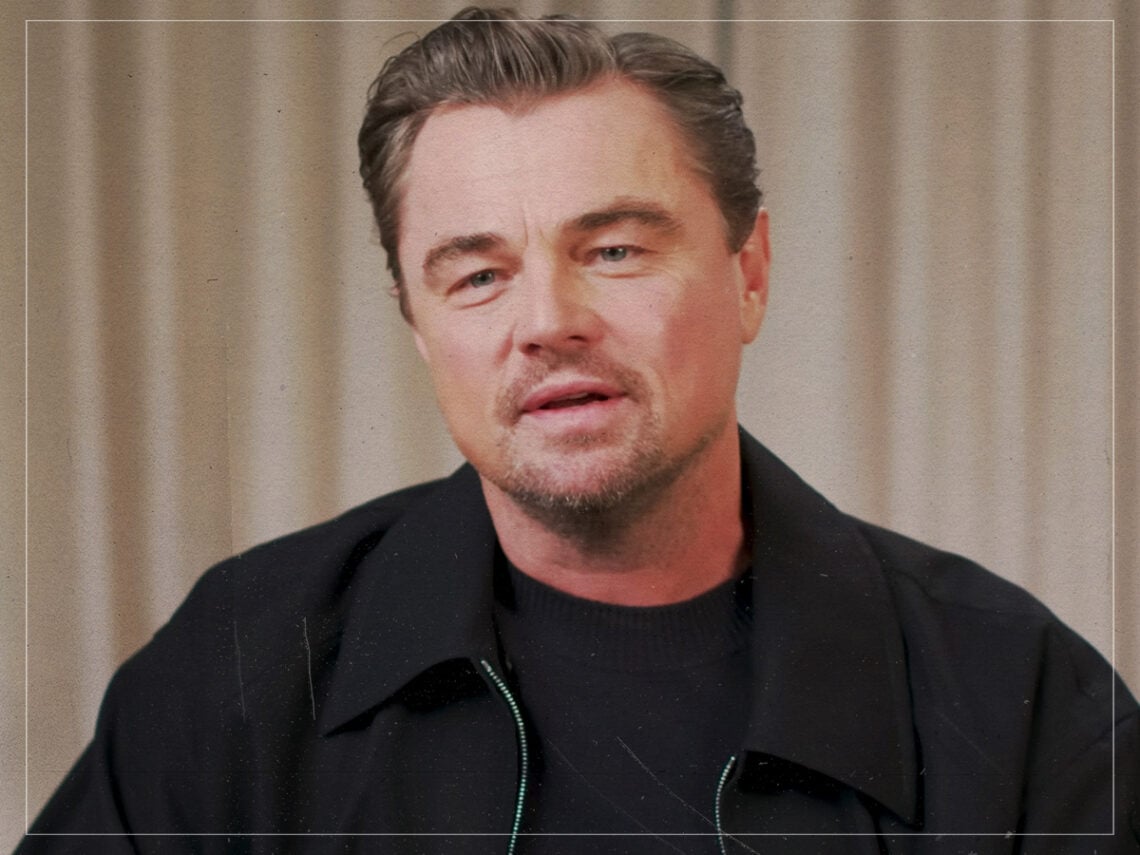
The “champion of cinema” who put their neck on the line for Leonardo DiCaprio: “I’m very thankful”

Hollywood has always been a glamorous place, and there’s always been a lot of money changing hands, most of it going to the A-listers.
However, before these superstars become household names, they need to call in favours to fund their lives, like Leonardo DiCaprio did in the days before Kate Winslet refused to let him sit on her floating door.
While he was undoubtedly a superstar after Titanic in 1997, just a couple of years previously, despite having success in his early career, he wasn’t the household name that he would become, and so didn’t quite have the kind of cash to do whatever he wanted.
He’d been making a big splash in the industry throughout the early ‘90s as a teen actor, though, doing bits of TV and then being hand-picked by Robert De Niro to star along with him in the powerful drama This Boy’s Life in 1993. DiCaprio was 18 at the time but looked younger, and he received fine reviews for his performance in the movie.
It was his next film that really got him noticed; What’s Eating Gilbert Grape was the comedy drama about a dysfunctional family that saw DiCaprio alongside Johnny Depp and Juliette Lewis that allowed the young actor to really shine as a mentally disturbed teen, and it led to him picking up not just an Academy Award nomination for ‘Best Supporting Actor’ but a Golden Globe nod too.
You might think that at that point he’d be a shoo-in for pretty much any role he fancied, but as Sharon Stone discovered as the lead actor and producer on the Sam Raimi western The Quick and the Dead, that was not the case at all. She was convinced after seeing DiCaprio read for the part of Fee ‘The Kid’ Herod in the story of a female gunfighter looking to avenge her father’s death, that he was the only man for the role.
But the studio, Sony Pictures, didn’t see it that way. Stone recalled: “This kid named Leonardo DiCaprio was the only one who nailed the audition, in my opinion: he was the only one who came in and cried, begging his father to love him as he died in the scene. The studio said if I wanted him so much, I could pay him out of my own salary. So I did.”
And Stone’s generosity didn’t stop there, because she wanted another rising star on board too, in the shape of New Zealander Russell Crowe, who was hot property in LA and had just made a film with Denzel Washington, so she picked up his cheque too. As DiCaprio recalled, “She [Stone] said, ‘These are the two actors I want to work with’. It’s incredible. She’s been a huge champion of cinema and giving other actors opportunities, so I’m very thankful.”
Thanks to Stone’s intervention, The Quick and the Dead wound up with a quite stellar cast of Stone, DiCaprio, Crowe and Gene Hackman, but it wasn’t enough to make it a hit at the box office on release, losing more than ten million dollars with decidedly mixed reviews from critics.
However, as with much of Raimi’s back catalogue, in the 30 years since it has been looked at more favourably, now seen as a decent genre movie with some excellent performances.
