


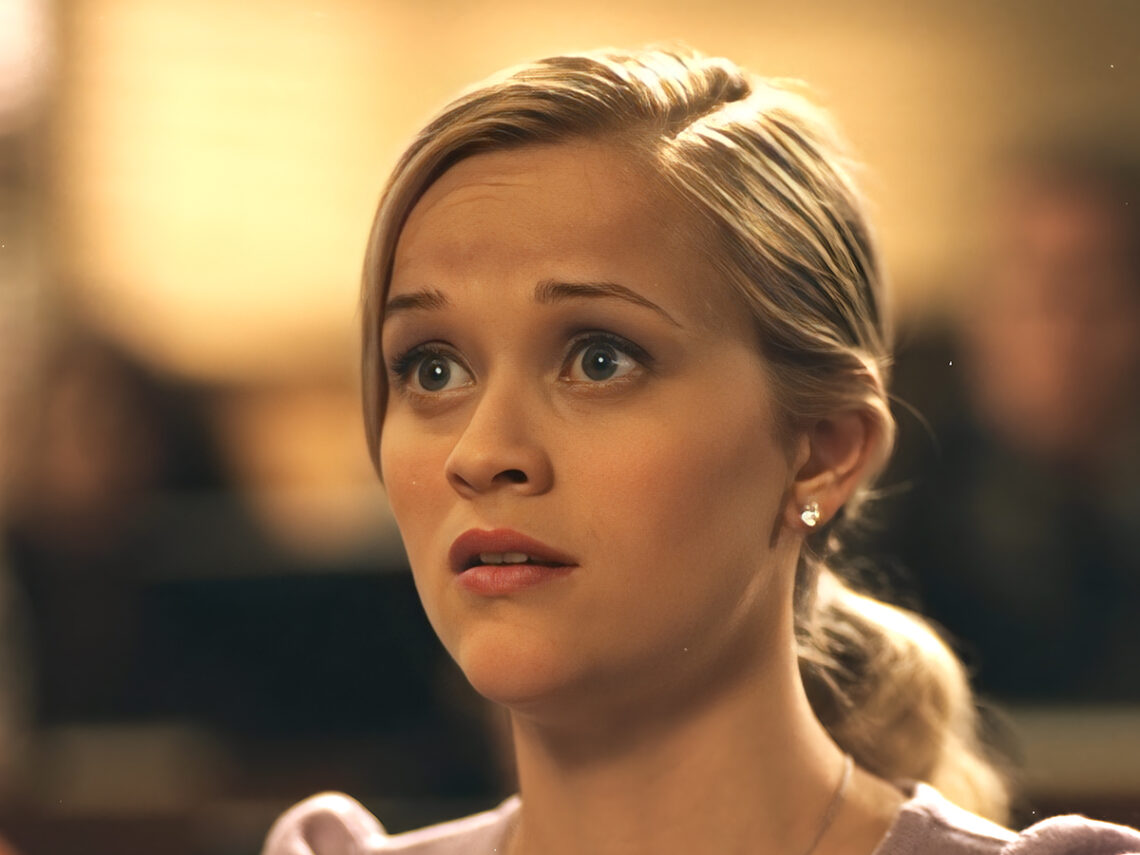
The career-defining role Reese Witherspoon tried to quit: “I’ve got to get out of this”

The biopic genre has evolved in many ways over the years, going from being a somewhat respected genre of entertainment to a blatant money-grabbing scheme and Oscar bait, attempting to manipulate audiences into the cinema by capitalising on the dwindling fame of someone who was only relevant twenty years ago. Through extreme physical transformations or acquiring a new skill set, the biopic has become a way for actors to earn critical acclaim and an Academy Award nomination, adopting the mannerisms of a real-life person.
With the recent Bob Dylan and Elvis Presley biopics, we’ve seen eager young actors try to shimmy their way to the top of Hollywood through extreme vocal transformations and musical skills, but for some reason, it doesn’t come off in the same way, given that their true intentions feel so obvious. It is now just a way to make money, and the genre doesn’t have the same earnestness or genuine intentions as it used to. Perhaps the last remaining example of an honest biopic was James Mangold’s Walk the Line in 2005, which set a high precedent for the genre and changed it for the worse.
Joaquin Phoenix and Reese Witherspoon famously starred in the Johnny Cash biopic, with the pair becoming renowned for their in-depth and emotionally charged performances as the real-life couple. It was perhaps one of the first biopics to reach this level of acclaim and praise, with Witherspoon winning for ‘Best Supporting Actress’ and crediting the role for revitalising her career. After years of being offered insubstantial roles with little nuance or care towards the female perspective, Witherspoon was desperate for an opportunity that was equal to that being offered to her male counterparts.
However, while the role of June Carter was the perfect opportunity to expand her skillset and position within Hollywood, the actor initially felt intimidated by the requirements of the role, needing to learn how to sing to reflect the talents of the singer. When discussing this, Witherspoon said, “It was awful. First of all, we had to learn how to sing. … The director came to us and he said, ‘I really want you guys to learn to sing, to learn to play instruments, and I want you to record an album. I absolutely was just gobsmacked!”
Despite being hungry for a challenge, Witherspoon doubted her ability to live up to the demands of this character, describing how she tried to get out of the project. “I called my attorney, my agent, my manager. I said, ‘I’ve got to get out of this. Can’t they call LeAnn Rimes? She’s good! There are plenty of people that do this for a living. I’m just an actress!'”
However, Witherspoon absolutely rose to the occasion, and her performance in the film is one of the highlights of her career thus far. Interestingly enough, the critical response to the film is perhaps what sparked this recent shift in the genre, with actors and producers realising that it can be a highly profitable story and very beneficial for the actors during awards season.
There have been few biopics to come close to the early magic of this genre, and has since been exploited and mined for profit by studio executives who are greedy for the same success as Walk the Line.
