


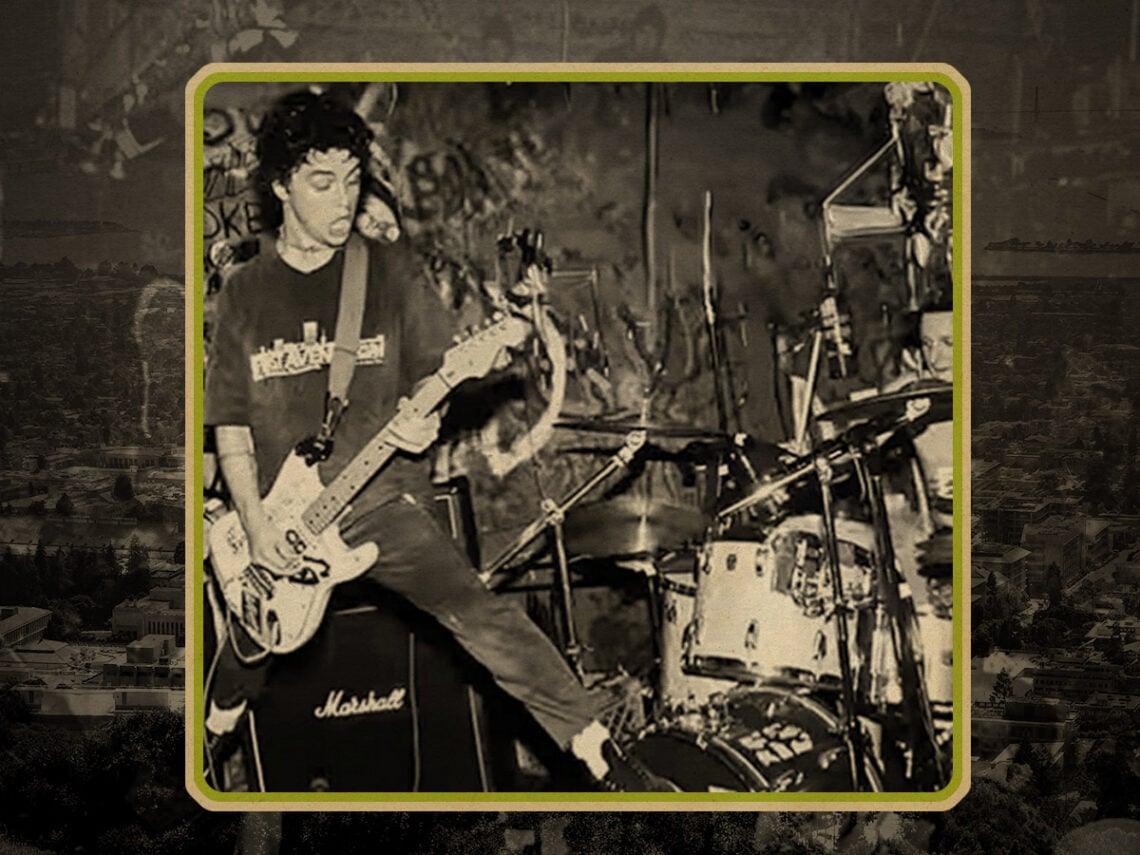
“It affected Billie”: The California venue Green Day were banned from for years

Green Day had always followed the punk rock rules to the letter every single time they played one of their shows.
Their music didn’t fit under the banner of punk on their records, but the whole ethos of the genre was about taking chances and not giving a rat’s ass about what everyone else thinks while you’re doing it. In that respect, they were among the greatest in their field, but they did have to deal with the two words that no one ever likes to deal with in the punk scene: sell out.
At the same time, are we collectively sure that everyone who uses those words actually knows what they mean? Far too many people like to claim that they are far superior to their fellow fans for liking a band “before they were famous”, but there’s no rulebook that says what a true fan should be like. The best bands in the world usually take time before they hit upon their classics, but by the time Green Day hit Dookie, it was one of the greatest mixed blessings in the California punk scene.
No one would have said that they didn’t want to get famous when they started cutting their teeth playing shows, but the band’s stomping grounds were a lot more sniffy about it whenever bands signed to a major label. The first wave of punk seemed to crash and burn whenever bands started to get dolled up for the majors, and when songs like ‘Welcome to Paradise’ and ‘Basket Case’ became some of the biggest tunes of 1994, their home club at 924 Gilman Street wasn’t actually in a celebrating mood.
In fact, they were ice cold. The whole point of Gilman Street was about being an outlet for underground music that turned their nose up at the majors, so when one of their own became one of the biggest bands in the world, it was like they went against everything they had built up. They were immediately branded as sell-outs, and even though the band returned home from the tour on a high, they were not in the mood to deal with the backlash once they went back to their old stomping grounds.

But you have to remember how important Gilman Street was in Billie Joe Armstrong’s life at this point. Each of them had been playing there for their entire professional lives, and most of the people there felt like family, so to have all of them turn their backs on them and forbid them from playing there ever again had to tear at their hearts a little bit once they tried to figure out what the hell had just happened.
Even Armstrong’s brother echoed the same sentiments when that initial fallout happened, saying, “It affected Billie a great deal because those were his friends and all of a sudden he was an outcast. He didn’t care about being a rockstar. He just wanted to play music.” So while Insomniac had a lot of the tension from them being pissed at their old fanbase, the best punks know how to lean into that energy once they have it.
Since they weren’t being treated like authentic punks anymore, that meant that they could do whatever they wanted, which explains why Nimrod ended up sounding so different from everything else they had done. The ones that came onboard on Dookie may have been confused, but it was much more important for the band to please themselves and make songs like ‘Good Riddance’ than worry about whether or not one of their songs was aggressive enough for the punks in the audience.
Because when you think about it, there’s always going to be someone that wants to put you in your place, and Armstrong was the last person who wanted to give those people the time of day. He answered to no one, and he was going to make music only for himself if it meant that he could still be happy.
