


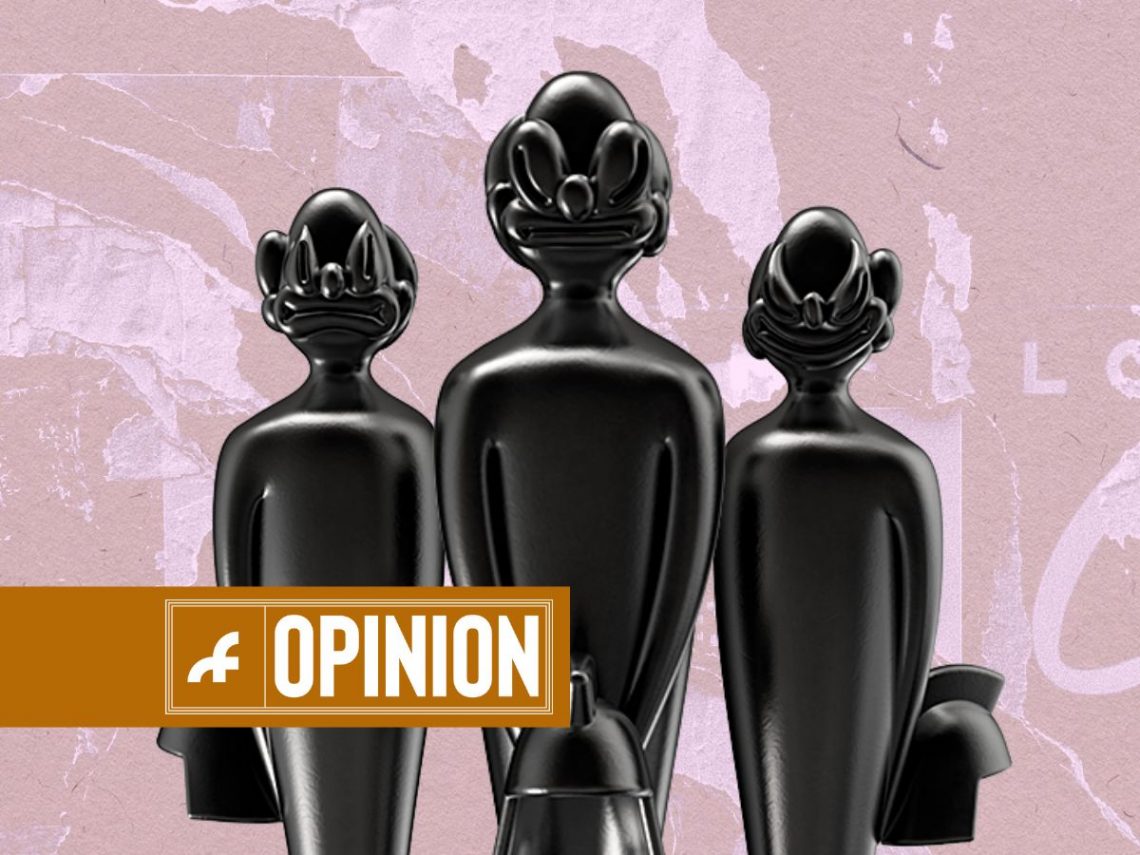
Hear Me Out: The Brit Awards is now culturally obsolete

All award shows have an air of vapidity about them, but at least the Brit Awards used to be a silly TV show that celebrated the best of British culture, now it’s just a silly TV show. And therein lies the problem: it still sets its stall out as an arbiter of esteemed judgement in the world of music which makes its oversights troublesome as opposed to merely bad bookings.
This time out, the main problem is that every Artist of the Year nominee is male. In the past, this category was divided by gender. This was scrapped in a creditably progressive move. Why divide it into gender when that is ultimately entirely irrelevant to the art being judged? We can all agree that it would be utterly mad if, let’s say, The Great British Bake Off was divided by sex – a cake is a cake no matter who cooked it – why should music be different? Somehow, however, this positive decision has backfired owing to a lack of inclusivity thereafter.
While the Brits would surely argue that it just so happened that the five best artists this year were male, the evidence to the contrary comes from the nominees themselves. The Brits hoisted themselves by their own petard by nominating – not to cynically mention any names – a couple of artists who push the boundaries of music with all the ground-breaking vigour of a drunken dung beetle half-heartedly trying to heave a todd up to the top of Everest.
Not to claim to be the ultimate authority on artistic judgement, but the five male names are simply not representative of the best music this year by anyone’s measure which exacerbates the bias further. Fundamentally, it also illuminates how the Brits are now culturally obsolete. It is simply not representative of anything other than the bookings they managed to get to perform that year in order to create enough fireworks to perpetuate the annual party.
Commerciality is always a factor in pop culture, there are no two ways around that. Thus, it is fine that organisers have chosen to venture further down that path and hand-pluck the names that sit at the top of the charts. Contrary to what Frank Zappa might have said, commercialism and art are not necessarily mutually exclusive. But by the same token, they’re also not married at the hip either. And if you are purporting to pick out the best of British and beyond, then it stands to reason that at least some of the acts on offer would come from the diverse range of genres that drift away from the realm of chart-topping or hitting hot trends.
That is evidently far from the case here. Britain currently has a burgeoning diverse scene away from the commercial chart and that has also been wildly underrepresented. In an era where austerity and discrimination have been rampant, and artistry has been one of the factors rallying against it, if you are claiming to be representing an entire culture, then this should be progressively reflected. Sadly, that hasn’t been the case and the quirkiness of the Brits of old has been lost in this channelled and pre-packaged acquiesce towards commercial obsolescence and a nettlesome one-sided obsolescence at that.
