


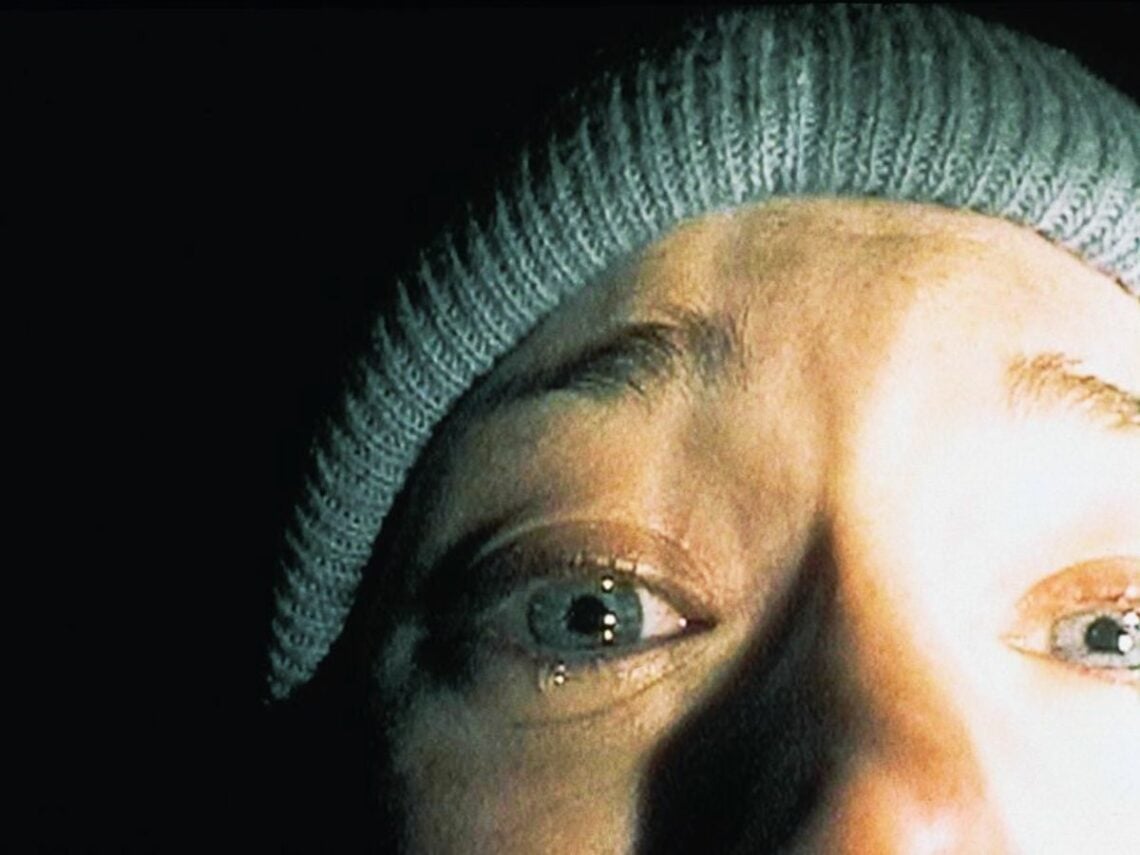
‘The Blair Witch Project’ stars detail 25 year long pay dispute: “Don’t do what we did”

Heather Donahue, Michael C. Williams and Joshua Leonard, the stars of one of the most successful independent films of all time, The Blair Witch Project, have lamented missing out on profits over the past 25 years since the film’s 1999 release and the impact it has had on their lives.
A supernatural horror written, directed and edited by Daniel Myrick and Eduardo Sánchez, it tells the fictional story of three student filmmakers, Donahue, Williams, and Leonard, who hike into Maryland’s Black Hills in 1994 to make a documentary about the mythic Blair Witch. They disappear, but their equipment and footage are discovered a year later. It is this fake “found footage” that audiences witness.
The film entered production in October 1997. Myrick and Sánchez trained the three young actors to use cameras and sound equipment before they were dropped off in the woods with the story prompts they improvised from to create the footage and movie. They shot approximately 20 hours before it was trimmed down to 82 minutes. The final cost of the project is estimated to be between $200,000–750,000 following its original budget of $35,000–60,000.
Nobody expected The Blair Witch Project to be the sleeper hit it was. It premiered at the Sundance Film Festival in 1999 and was a resounding success, as a result, Artisan Entertainment purchased the distribution rights for $1.1million. The movie eventually grossed nearly $250million globally. Not only would it become an iconic independent film, but it would also spawn a media franchise.
Despite the film’s immense success, Donahue, Williams and Leonard, have detailed in an exclusive new interview with Variety their 25-year battle to be paid adequately for their vital roles in bringing it to life. Not only did they reveal their financial struggles immediately after the film exploded, which included Leonard serving food to his agent when working in catering only days before an interview on The Tonight Show and Donahue driving a battered old Toyota to her temporary job, but they also maintained that they suffered the indignities such as not being able to use publicists due to the bogus true story angle of the movie, as the trio were supposed to have disappeared, leaving them feeling trapped.
During this period, the actors believed the money would eventually come, but this belief fell flat. Instead of being fully remunerated for their crucial efforts to celebrate The Blair Witch Project breaking $100million at the US box office, Artisan sent each actor nothing more than a fruit basket.
“That was when it became clear that, wow, we were not going to get anything,” Donahue said. “We were being cut out of something that we were intimately involved with creating.” What ensued was a quarter decade of the trio navigating life while battling to get their dues.
This reality emerged despite the fact that when the trio were hired for the nonunion production in 1997, they signed a deal with Myrick and Sánchez’s production company Haxan Films. It entitled them to “a one percent (1%) participation in profits in excess of $1,000,000.”
“I’m embarrassed that I let this happen to me,” Williams told the publication.
“You’ve got to put that stuff away, because you’re a fucking loser if you can’t,” he continued. “You’re in the most successful independent movie of all time, and you can’t take care of your loved ones.”
Williams said he’s “very grateful for what I have now and how fucking hard I fought to get it”. However, he conceded that “it still impacts me”. He added, “Giant corporations don’t care that this happens to young artists. It’s bullshit. And that’s got to change somehow. Hopefully, we will help somebody to see: Don’t do what we did.”
In April, when Lionsgate – who acquired Artisan in 2003 – announced at CinemaCon that it was rebooting The Blair Witch Project with Blumhouse, the trio were taken aback, as no one had told them that their faces and names would be used as part of the campaign.
Responding to the announcement, the actors penned an open letter to Lionsgate later that month requesting consultation on further related projects, as well as retroactive and future residual payments for the film “equivalent to the sum that would’ve been allotted through SAG-AFTRA, had we had proper union or legal representation when the film was made.”
This is a developing story.

Never Miss A Scene
The Far Out Film Newsletter
All the latest film news from the independent voice of culture.
Straight to your inbox.