


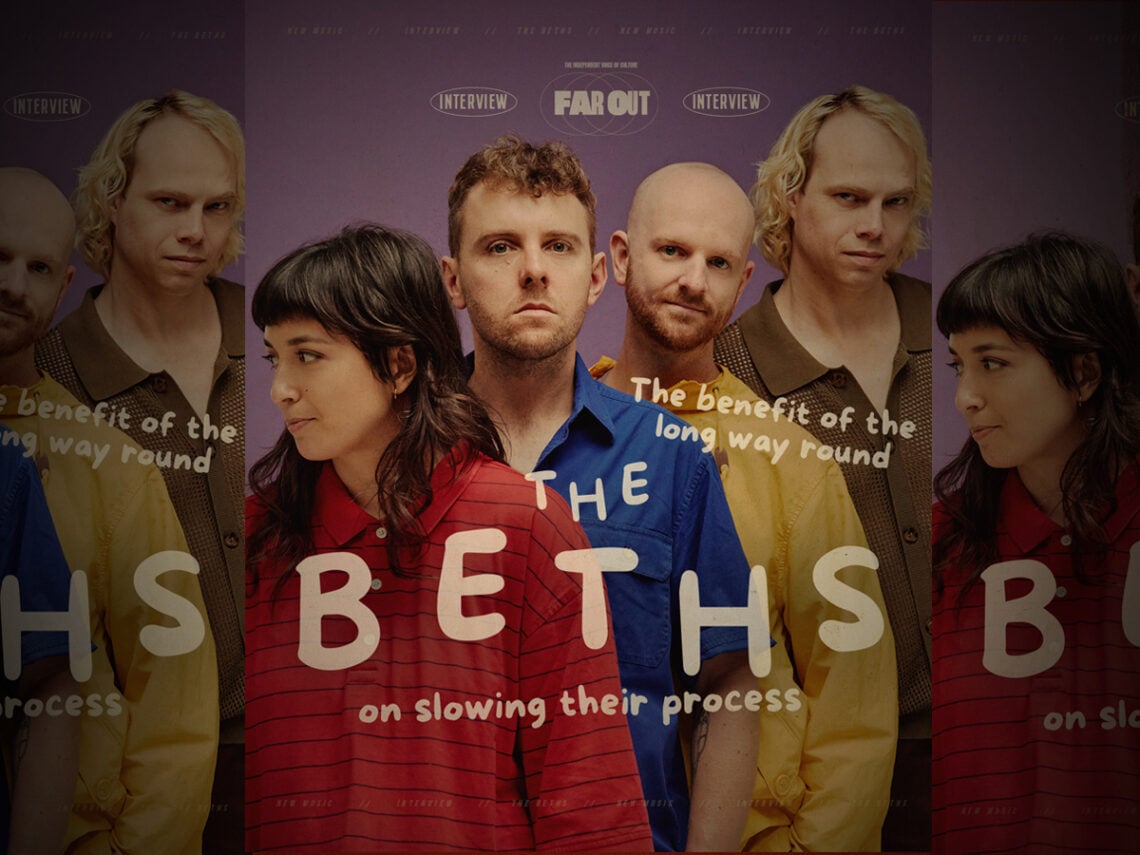
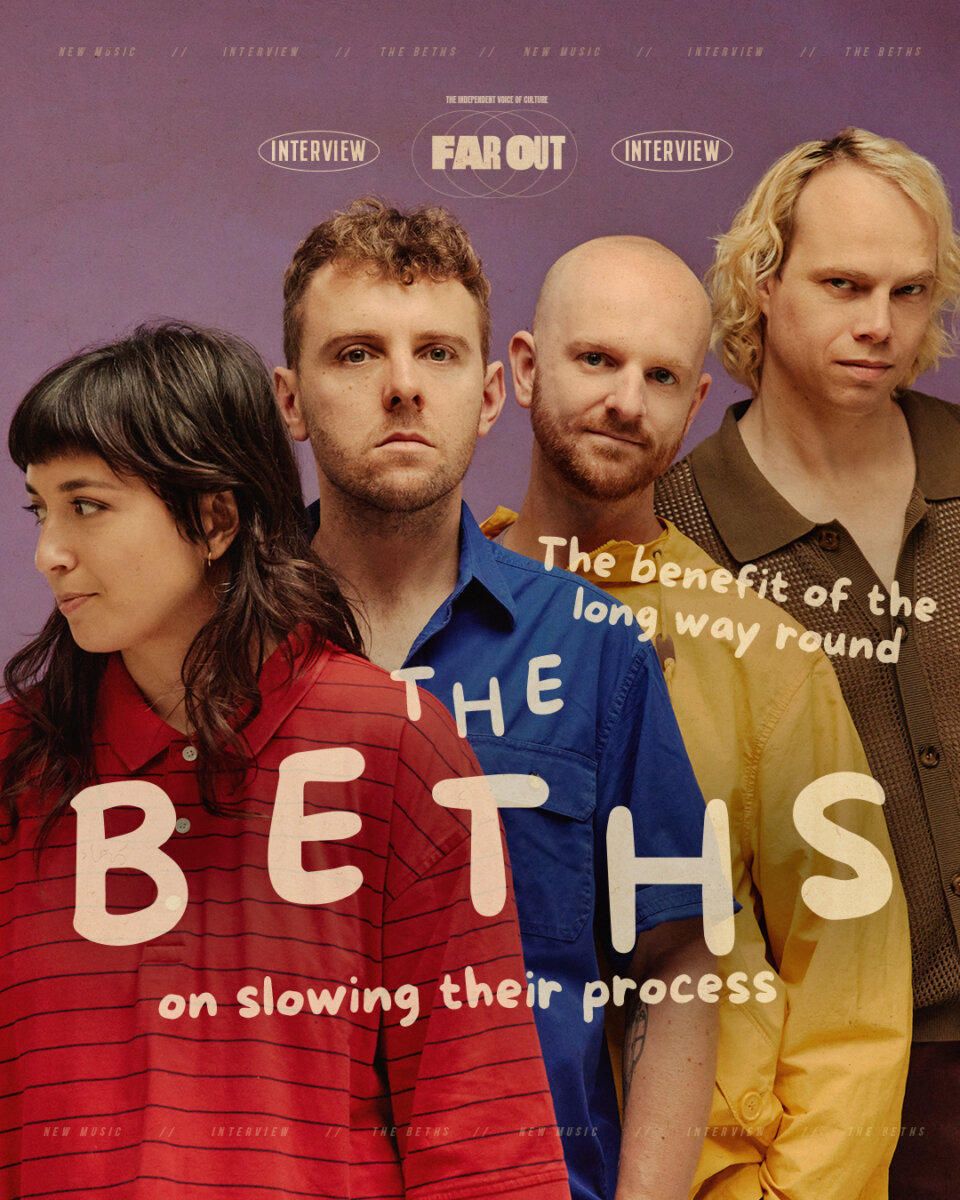
The benefit of the long way round: The Beths on slowing their process

Anyone who has ever been on SSRIs will understand the fact that, really, they change everything.
It’s more than just a hopeful lifting of the clouds of depression or anxiety; it feels like your entire brain changes. Things can be foggier or hazier, emotions can be less vivid, and the process of creativity can be tougher, and The Beths felt that, but also knew it was worth it.
The tortured artist trope has a lot of damage to answer for. It’s easy for artists to fall into a toxic mindset of believing their sadness or their struggle is their creativity, or that they need to have that weight of darkness in order to make art. It’s a trap, and a cruel one that has claimed lives and amounted to a lot of misery.
Elizabeth Stokes, the Beth of The Beths, wasn’t willing to do that, thankfully and rightfully. But then comes the admittance that with the effect of medication, and the impact of life simply being very different for a touring band, the process of writing an album couldn’t look the same.
People forget that a lot. As they call for Arctic Monkeys to deliver another gobby record about the trials of northern teenagers, they forget that the band are now rich adults who live in LA. Or in the calls for another album from some young indie-pop starlet fast, people forget that in order to write about life, life has to be lived.
With those two things at play, Stokes realised something: she couldn’t really write. But as she still wanted to, the band adapted. “We designed this big system,” she said, recalling how they read books about creativity and formulated a kind of master plan.
“So it was like the Stephen King thing of writing ten pages a day for like six weeks or so,” she said as step one. “And then we did some more touring. And then at the end of that, we were in LA and on the West Coast, and we were like, ‘OK, let’s just stay here for a couple of months’.”
Now in one place with a batch of stream of consciousness ideas, they began working through things more methodically as step two. By the end of the trip, there were around 25 demos. Step three was to forget about them for a little while longer and then return, as Stokes explained, “So I would make a demo, put it away for six weeks, and not look at it again, and then re-look at it, and kind of do a second draft”.
Cutting in, guitarist Jonathan Pearce pointed out that that was the difference. “It is different to before, where you would like to finish a demo, and then, and then be very shyly excited to play it,” he said to Stokes, recalling how, before, a song would be written quickly and shared even quicker. It would come like a purging of emotion that Stokes would instantly want others to see and look at. This time round, things were slower, more private, and as she realised, felt safer.
“I’ve just created this thing that I’ve just pulled from me, and it hurt to make it or something,” she said about the act of responsive art. It might seem cathartic, but really, it lends itself to hollowness as she added, “There’s no response someone can give you that’s going to make you happy at that point”.
But the process of making the songs for Straight Line Was a Lie was the opposite. They came slowly and were treated with patience. “It was kind of nice to be like, ‘OK, I’ve made something, and it’s just for me for a while until I’ve made the second draft’. I’ve approached it much more calmly,” Stokes told me.

It’s no wonder then that the band’s fourth album feels like an intimate one.
While still with the same instrumental excitement and moments of similar wry humour, it is clearly a far more revelatory or personal record, diving into topics like parental relationships, trauma and mental health. For Stokes, the ability to even go there all came down to the change in process; “It was very therapeutic, and it was very confronting also,” she said, “There were the things where I would like, I should write about this, but I don’t want to. And I would do that for days and days, and then finally I’d crack and go, ‘I’m gonna write about it today’, and in writing about it, it was way less scary.”
“It’s the most vulnerable I’ve let myself get with songs,” she concluded, theorising on the topic, “I think it’s because of giving the feelings that kind of space. I was giving them the time and space so I can feel secure in them.”
The change in process for the band’s fourth album felt like nothing all that new to be honest. “Whether it’s writing a song or making an album, you get amnesia about it afterwards,” Stokes said, recalling how even with their older albums, god only knows how they did them. “You’re like, how did we do it? How did I do that? You might want to follow the exact same steps and get to the same place, but every time it feels like you’re starting all over.”
The only difference this time round was that the steps felt intentional. Stokes was following tried and tested advice for boosting creativity, the band were considering what they were engaging with, with her saying “you have to have inputs if you want to have outputs”, even if those inputs were unconventional ones like going to stand-up comedy shows or watching the same movies they’ve all seen a hundred times over. Even if that input was purposefully mindless or cosy to self-soothe post-touring, it was intentional.
“I guess I’ll take the long way cause every way’s the long way,” the band sing on the record’s opening title track. “The straight line was a circle / Yeah, the straight line was a lie,” they lay out as the lesson learnt but also the point of it all. There is no easy shortcut, there is no cheat code to getting through something or making something, there is only the process and effort of it. Making this record, that was the thing they basked in, the journey of making it, recognising that it might have felt like a long way round, but the result was something more than worth it.
