


Everything wrong with the ‘tortured artist’ trope

The tortured artist trope is prolific in pop culture, seeping into the way we consume art, film, and music. We revere longsuffering depressives, and their madness is seen as intrinsic to their art. But it’s a damaging stereotype that glorifies mental illness and diminishes genuine artistry.
Mental illness is not a catalyst for creativity, it’s the thing that stops people from functioning until they have fleeting moments of productivity to make that art. Their ability to capitalise on those moments is what makes them talented, not the time they spend suffering.
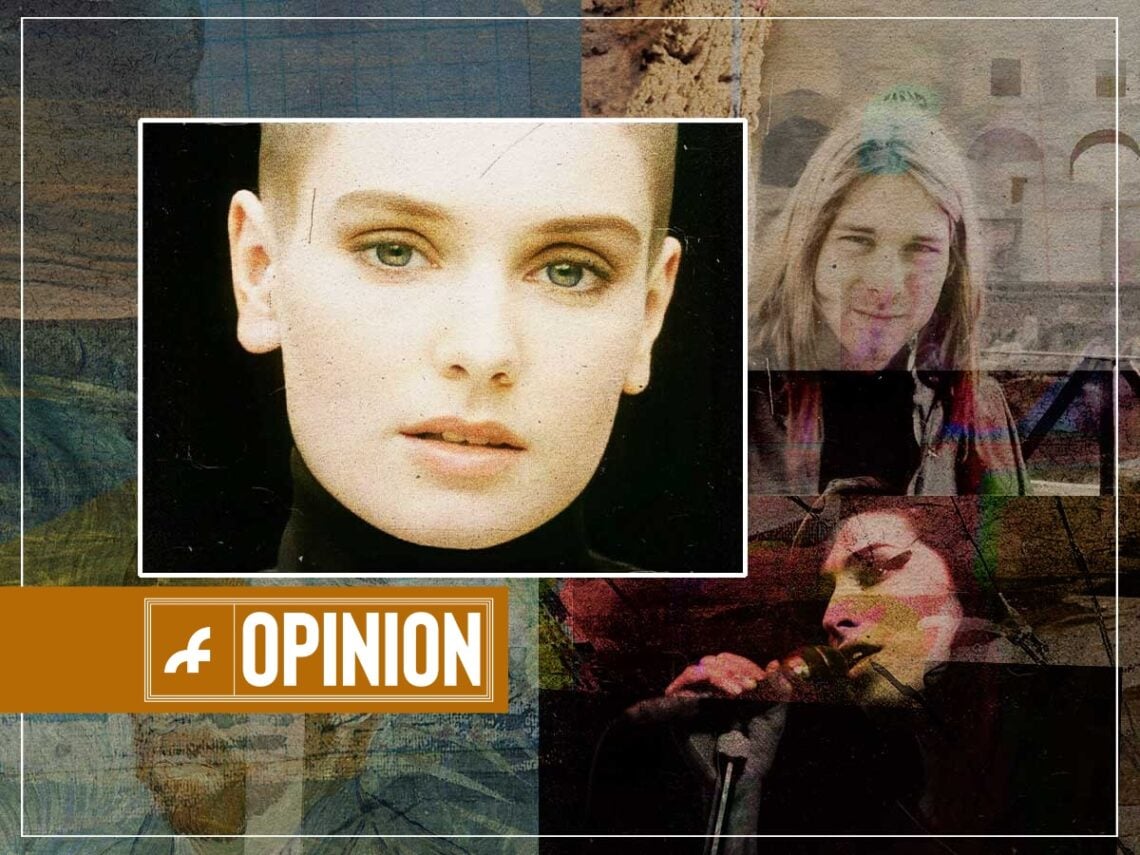
In the wake of Sinéad O’Connor’s death, the cultural obsession with the singer’s fragility has dominated the news coverage. The Guardian said she lacked the “determination” to keep a pop career afloat, called her “fragile” and “the crazy woman in pop’s attic”. Many of the tributes online make reference to her tortured soul and the devastating sound of her music, always conflating the two.
And yet here was someone who, while appearing on Saturday Night Live, ripped up a picture of the Pope without fear of backlash or industry black-balling. A pre #MeToo figure who was hounded continually for calling out what is now widely reported as fact, and spoke her mind anyway. The tributes are well-intentioned, but it’s interesting that instead of viewing her as a brave, resilient figure in calling out the sexual abuse scandal that swept the Catholic Church – the focus is always on how broken and erratic she was.
And so the trope persists. Vincent van Gogh might be the most prolific example in history; his exhaustive battle with manic depression and hallucinations serves to add a kind of richness to his work for some people. There’s a well-popularised myth that he ate yellow paint in order to cheer himself up from the inside out, but in reality, he had tried to poison himself with turpentine during a psychotic episode.
For whatever reason, we hold on to a romanticised vision of a desperate, depressed man making beautiful works of art in the throes of a serious breakdown. But again, the reality is that he wasn’t even allowed to enter his studio during an episode – and his most famous work, ‘The Starry Night’, was painted while he was in treatment at the Saint-Paul Asylum. In one of his last letters before his suicide, he wrote: “If I could have worked without this accursed disease, what things I might have done”.
That’s the crux of what’s wrong with the tortured artist trope because, ultimately, most of the artists made out to be one have careers cut short by their own suffering. The so-called existence of the ‘27 Club’ is perfect proof of that. The ending of Kurt Cobain’s suicide note read: “It’s better to burn out than fade away,” which is taken as shorthand for embracing the debauchery of a rock and roll lifestyle when it was Cobain’s acute physical stomach pain that drove him to use heroin.
But sore stomachs are less sexy to think about than a mad genius writing Nirvana songs on an opioid high, so the trope prevails, and Cobain has always been cast as a troubled man who was the victim of his own mind. In one of his letters to his fans published in Journals, he had a bleak assessment of why that was. “It’s an entertaining thought to watch a rock figure whose public domain mentally self-destruct,” he wrote. “But I’m sorry friends, I’ll have to decline.”
Lumping creativity in with suffering massively diminishes the impact it has on the artists. The glamorisation of drug use is rampant when it comes to these figures, which might be cool when Pete Doherty is hanging out of a window with Kate Moss – but it loses its appeal when you learn he nearly lost both feet because of intravenous drug use. Amy Winehouse’s death continues to be used as fodder for the tortured artist trope, and the arrival of Sam Taylor-Johnson’s exploitative biopic Back to Black shows we still haven’t learned to leave it alone.
It’s a dangerous precedent to set that creatives need to be miserable to make music, and the need to have an air of danger or an edge about them to make their material seem more real and even more raw fails them. Our cultural understanding of mental illness has greatly improved in recent years, but the public fascination with tortured artists hasn’t caught up. Suffering and stardom don’t have to be synonymous.
