


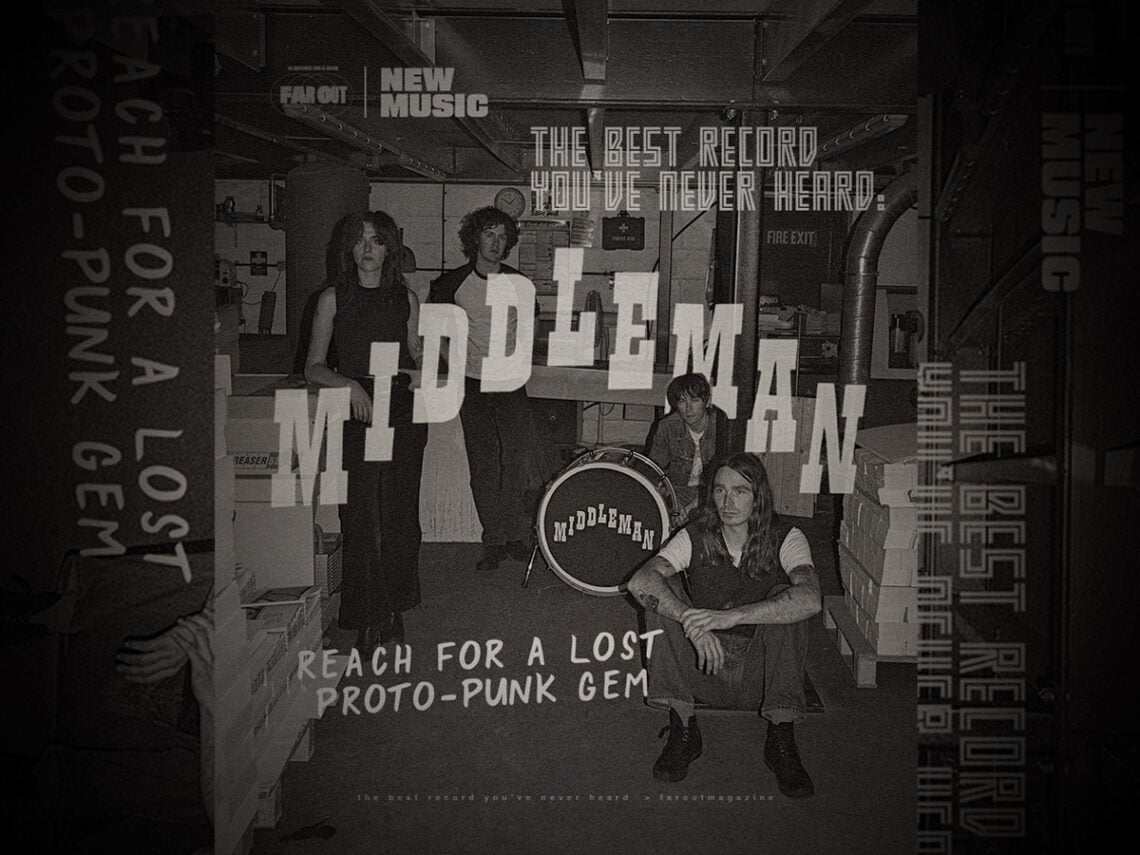
The Best Record You’ve Never Heard: Middleman reach for a lost proto-punk gem

Amid London’s ever-vibrant punk community, Middleman have always stood apart.
It’s hard to discern quite what elixir happens to be in Middleman’s possession, but the band manage to wield a gripping sense of simmering drama amid their heavy slack whirlwind. Serrated punk and hardcore charge mask a beguiling melodic immerse the closer one listens, wearing their love of old Wipers’ belligerent jangle in their unique mix.
There’s a firm cultural footing planted squarely in England, however. Somewhere, a subtle but keen powerpop sensibility is plucked from the country’s yesteryear, clashing with electric prickle against Middleman’s sonic rollaround in Pacific Northwest punk and left-of-the-dial Minneapolis heritage.
Such emotive command leaps out of frontman and guitarist Noah Alves’ impassioned vocal howl, buried amid the rest of the band’s expert indie hack yet still weaving and gusting in and out of the fore with arresting intrigue.
A fine, fine band then. Things were off to a good start with 2024’s John Dillinger Died For You EP, but the smattering of recent teases, including ‘Vacant Days’ and ‘Carry the Lie’, seemed to point to an outfit only growing more confident ahead of their debut album, Follow the Ghost, out now on Evil Speaker Records. We caught up with Alves to pick his brains on the lost LP gem he felt needed more love, and reached back into the UK’s wavering knife-edge when punk was a distant yet looming beckon in the 1970s rock world.
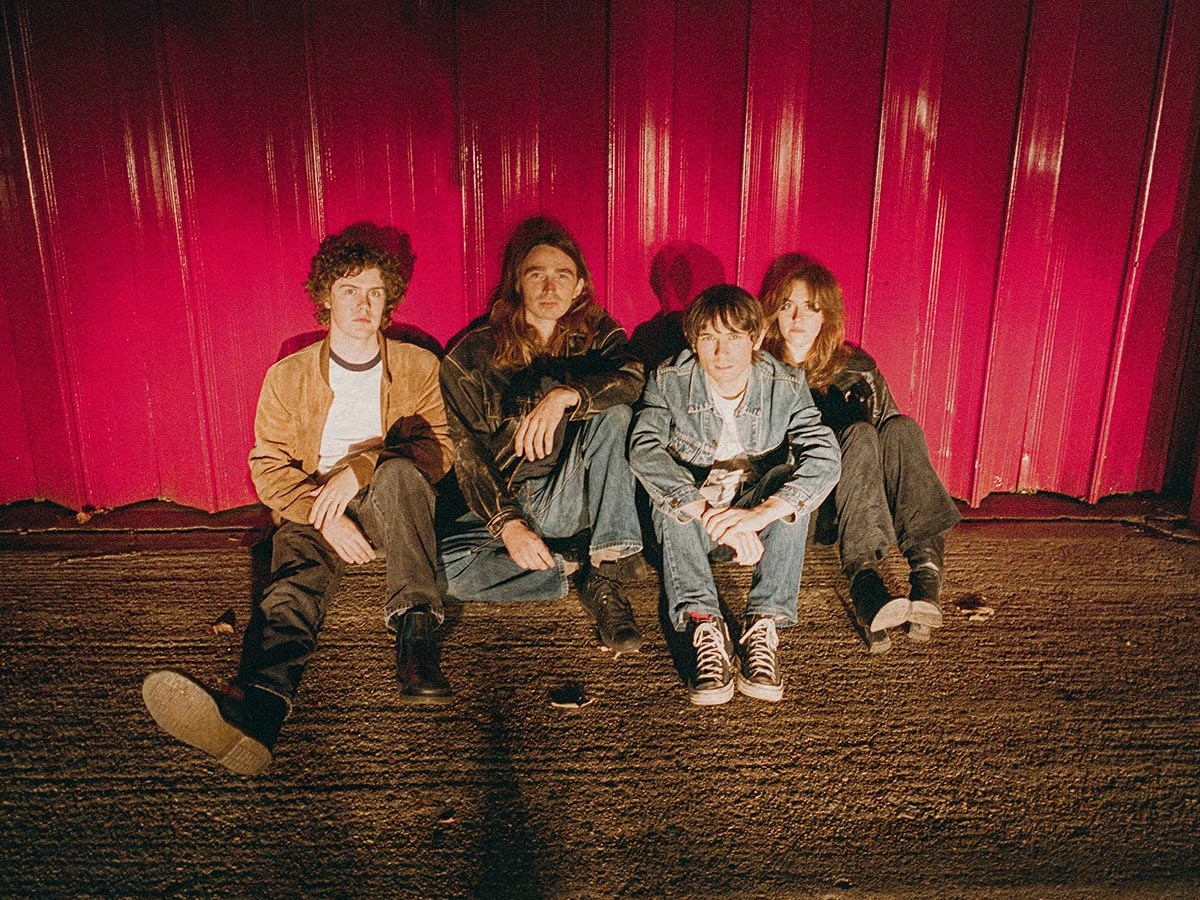
Noah Alves of Middleman on Legendary Lost Album
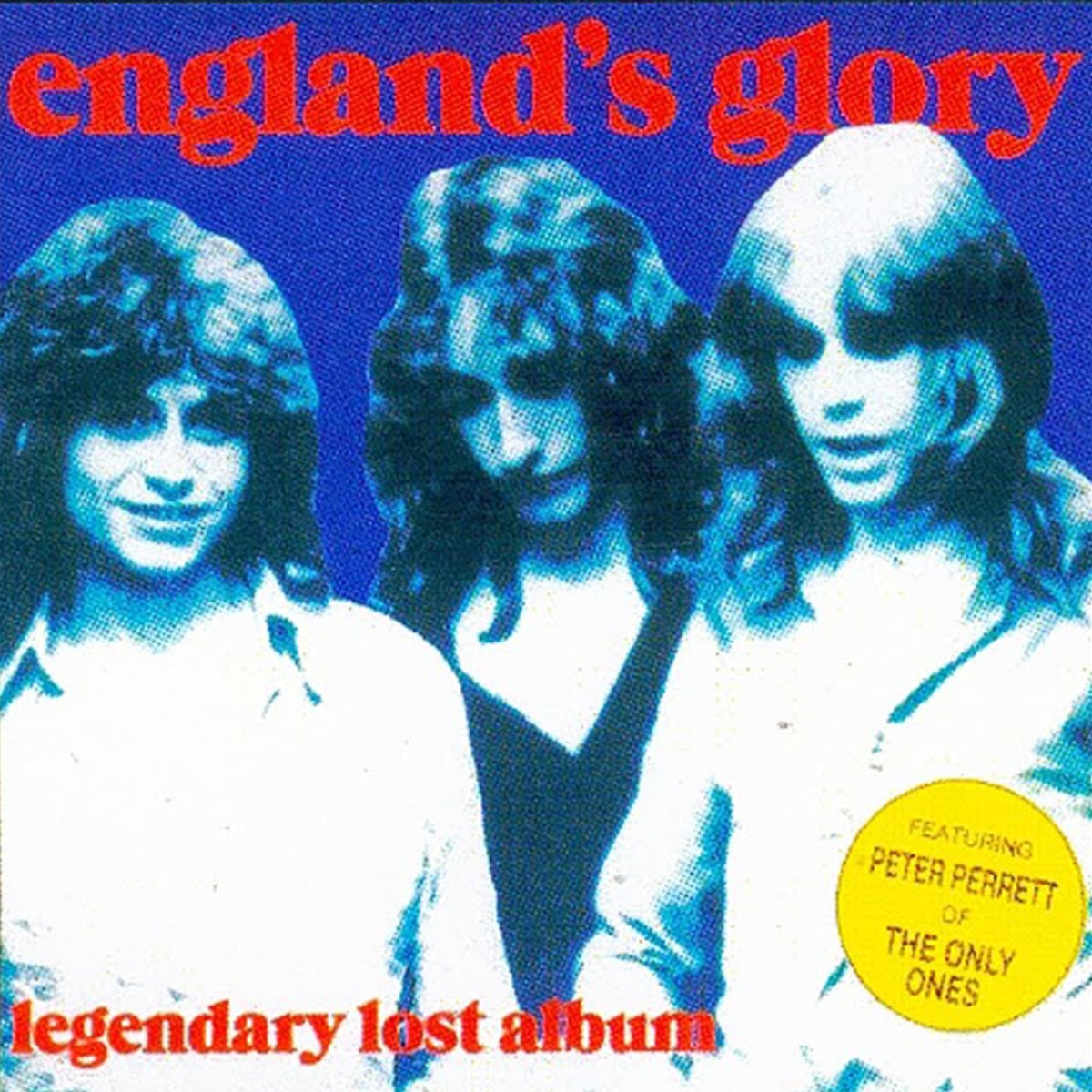
Noah Alves: “Not many people can claim they’ve written the greatest power-pop song ever, and also do a killer Lou Reed impression, but Peter Perrett sure can. Before The Only Ones, where he penned said power-pop song ‘Another Girl Another Planet’, Perrett was in the group England’s Glory, whose name sounds more like an Oi band than the type of music you get on this record. Legendary Lost Album was recorded in 1973 but wasn’t released until 1993, after The Only Ones had disbanded. This was obviously the main selling point, with the not-so-subtle yellow sticker – or design choice? – on the cover, which read ‘Featuring Peter Perrett of The Only Ones’. I can’t remember where I initially found this a few years back, but it’s one that I often come back to.
“From when the vocals first come in on ‘Devotion’, the Lou Reed influence is clear, but don’t be fooled, this is no second-rate pastiche; it’s got real legs and direction as its own thing. It’s an odd mix of power-pop riffs, proto-punk scratchy guitars and also the laid-back indie, slacker rock you’d expect from the ‘90s, despite it being recorded 20 years prior. For instance, the track wouldn’t sound out of place on Penthouse by Luna, just take away that palpable timbre of Lou Reed and the lo-fi ’70s production. ‘City Of Fun’ is full of rock ’n’ roll hooks and anthemic melodies, so it’s no surprise a more upbeat version was recorded with The Only Ones a few years later, making this almost a demo, but demos have their own charm, capturing a track at its roughest yet most inspired, which is exactly what you want for this style of music.
“The piano bridge in ‘City of Fun’s middle allows for the piano intro on ‘First Time I Saw You’ to not sound out of place. At first recalls the piano playing of Neil Young, ‘A Man Needs A Maid’ or ‘After The Gold Rush’ for example, and the listener braces for Perret to do his own nasally take on the Canadian rocker, but is instead greeted with a simple yet beautiful guitar lead which allows the song to build and then stretch into a six and a half minute jam, oscillating between the more raucous layers of instrumentation and the simplistic piano that opened the track.
“It’s a real atmospheric piece that sets the stage for this contrast, which takes place across the whole album. ‘Bright Lights’ is another stand-out, it’s more of a ballad with these school choiresque backing vocals, which gives some welcome release against Perrett’s delicate yet monotonous drawl. It’s another track which has two personalities, and it develops into a rockier tune towards the end, with a lead that sounds like the bones for the iconic solo on ‘Another Girl Another Planet’.
”There’s not one straightforward direction the album follows, which is why I love it so much, and makes it unique amongst the trove of power-pop and garage records of the period. The vocals have swagger and character, even if it’s clear where they’re borrowing the personality from. And there’s also that added coolness that it took 20 years to reach the public. Go check it out.”
Legend has it that NME veteran Nick Kent honestly thought he’d uncovered a hidden trove of Velvet Underground bootlegs when first hearing England’s Glory’s acetate demos, such was Perrett’s authentic channel of Reed’s acerbic drawl. It’s all their own, however, a stirring brew of ramshackle romance and mordant prettiness owing little to the rock behemoths strutting across the charts at the time.
Legendary Lost Album’s spirit shines amid Middleman’s songcraft, deftly harnessing a similar marriage of simmering fervour cloaked in wry lyrical reportage. Perhaps the perfect entrée to their new LP offering? Give Perrett’s long-lost gem a spin and understand Middleman’s rousing racket that bit better.
