


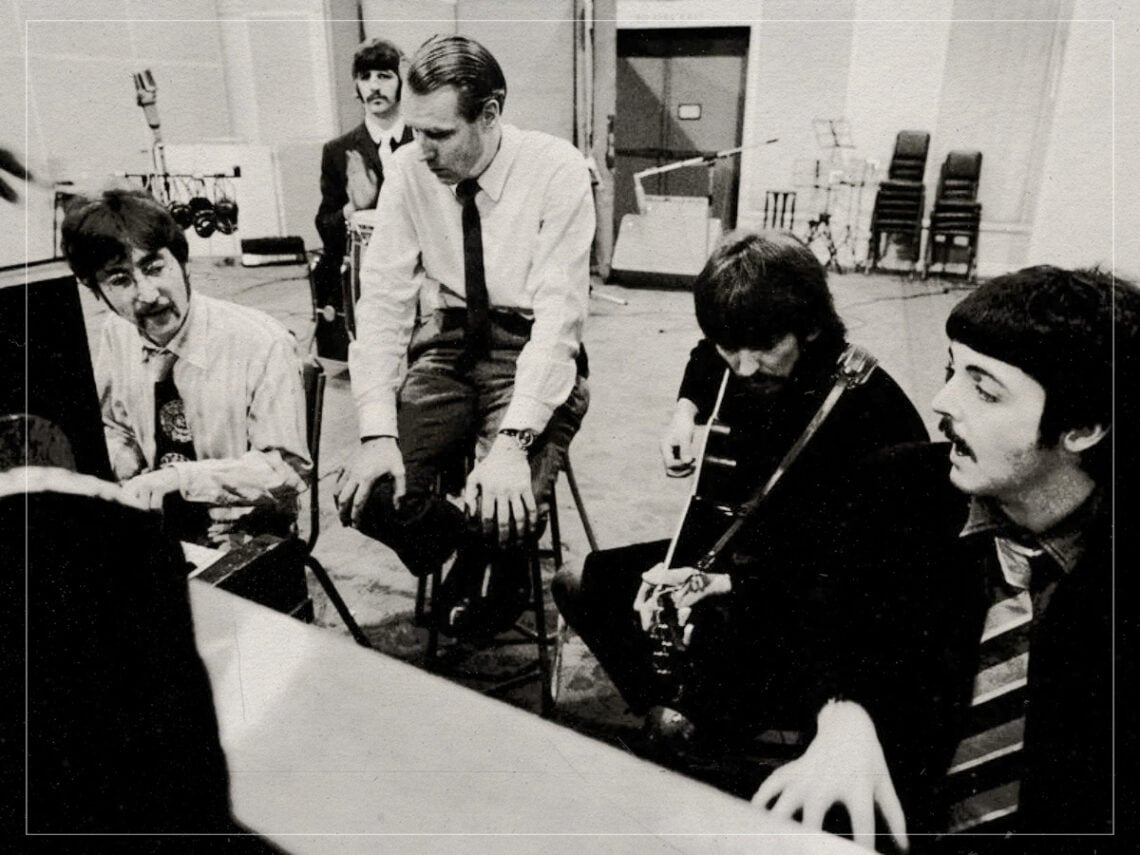
The Beatles album that disappointed George Martin: “We could’ve had a really super album”

The Beatles may be among the few rock bands with a perfect career.
Even though not all albums by ‘The Fab Four’ can be the best in the world, their output never included anything egregious that every member looks back on with disdain. Everyone runs into blemishes every now and again, and their producer, George Martin, was always tasked with refining some of those mishaps.
Throughout their tenure, Martin was always known as the true ‘Fifth Beatle’, adding in different instrumental tracks that the band couldn’t play themselves. Aside from adding the occasional flourish for piano or organ, Martin also had a hand in most of the group’s orchestral arrangements, including some of the breathtaking string work on songs like ‘Eleanor Rigby’ and the back half of the medley on Abbey Road.
Besides his advanced musical knowledge, Martin was also at the forefront of the band’s creative pursuits to different tape speeds. When the band first began working with innovative techniques like backwards music, Martin was always refining their approach into something that was suitable for a pop song, like the chanting background vocals in reverse on the song ‘Rain’.
As each band member went in their creative direction later in their career, some of their compromises didn’t sit well with Martin on the group’s eclectic White Album. Bringing all of their ideas under one roof, The Beatles’ self-titled outing has been compared to four separate solo artists working on an album together, with John Lennon and Paul McCartney no longer working as a songwriting team.
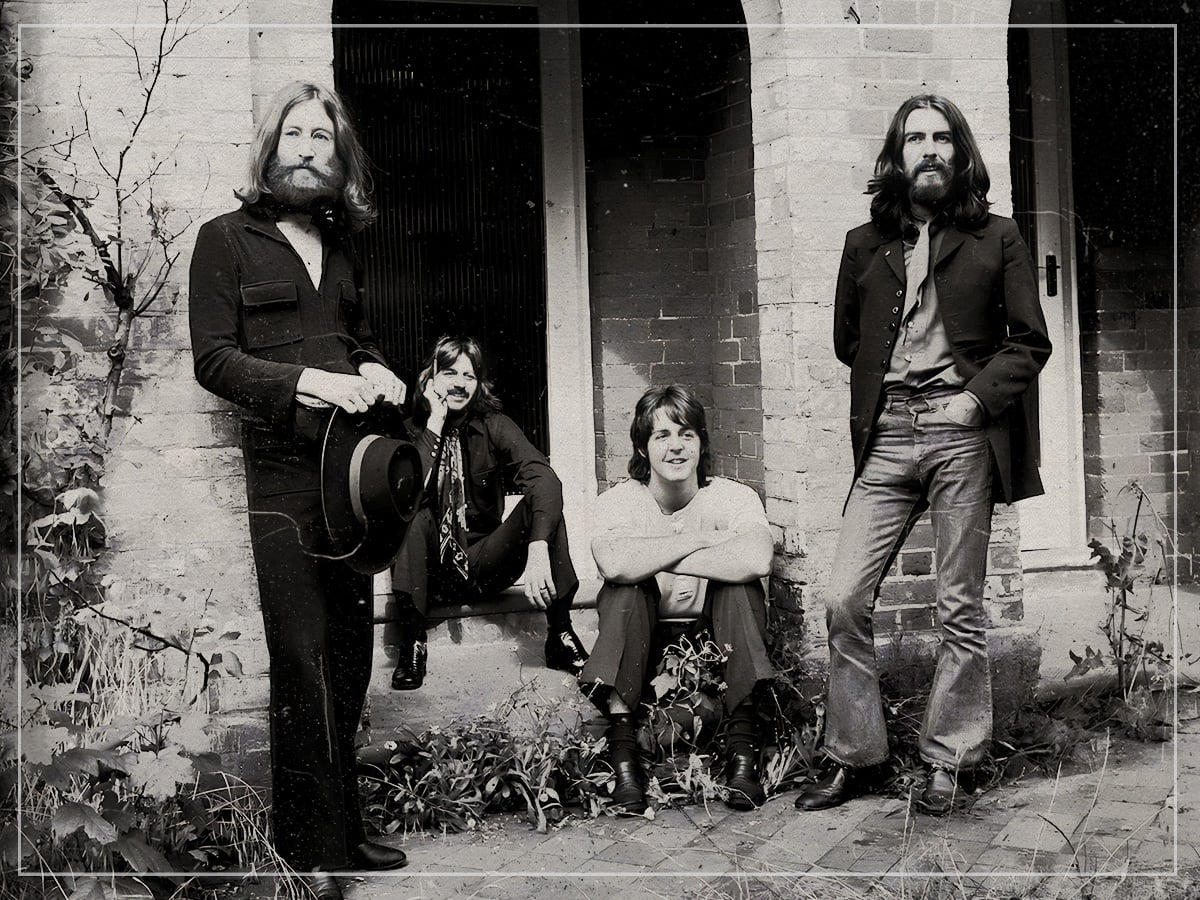
Although the album was a massive undertaking, Martin mentioned being disappointed at the final results, saying (via YouTube), “The White Album was the disappointment I referred to. I wanted to pair that down and issue one single album with the best stuff from it, but they insisted on putting down all the songs they thought of. Some of the songs I thought were fairly trite, and some of them I thought were very good, so if we distilled it, we could’ve had a really super album.”
As the sessions went on, differences in creative opinion began to pull the band apart, including running separate studios at Abbey Road where each musician would be working on their own songs by themselves without the help of the other Beatles. The morale became so fraught during the final sessions that Martin and Starr took an extended vacation from the project separately, being fed up with the rest of the band and unable to take the pressure.

While it’s easy to see why Martin wanted the album to be cut down to a decent length with some of the best songs, the haphazard vibe of the entire record is what gives it its sustainability, almost like the listener is getting a look inside The Beatles’ creative process as they write songs. The White Album might be one of the most scattered products that The Beatles ever made, but it’s also a snapshot of ‘The Fab Four’ being the most human in the studio.
In hindsight, that very lack of cohesion has become part of the album’s enduring charm. What Martin saw as indulgence or missed opportunity, many fans came to view as a fearless display of creativity, where no idea was too strange or too slight to be explored if it captured a moment of inspiration.
It also underlines just how far The Beatles had travelled from their early days as a tightly knit unit. By the time they reached The White Album, perfection was no longer about polish or uniformity, but about capturing each member’s individuality, even if it meant leaving a few rough edges in place for the sake of honesty.

Never Miss A Beat
The Far Out Beatles Newsletter
All the latest stories about The Beatles from the independent voice of culture.
Straight to your inbox.