


The Beatle John Lennon bitterly accused of lying through their teeth in the 1970s

What happens when you take four young lads from Liverpool and give them the entire world on a silver platter? Well, just ask The Beatles.
It’s not that their success wasn’t deserved, of course it was. The band completely revolutionised music, as they didn’t just usher in a new kind of musical superstar, but they also gave a world which was still somewhat licking its wounds after World War II permission to have fun again. Their success was good for the world, but it came with pitfalls.
Suddenly, each band member had access to everything under the sun. They developed their own distinct personalities, all of which added to the collective unit of the band for a time, but that eventually led to creative friction. Before long, it was impossible for the band to continue to work together because who they were as people had changed so much that what they considered ‘good music’ also changed just as rapidly.
The story of how The Beatles broke up is extremely complex, but if we’re going to dumb it down for the sake of ease, we can just pin it on creative differences. Sure, these differences came about because of different personal lives, musical influences, and affiliation with certain drugs, but it was creative differences which really drove a wedge between the four musicians.
When the band went their separate ways, there was a lot of tension, and that manifested in interviews, songs, and books. No member really held back on making their opinions of some of the other musicians known. John Lennon was particularly harsh, and he would happily discuss how much he hated some of the band’s music towards the end of their time working together.
For instance, when he was discussing the track ‘Hello Goodbye’, he said that it was clearly written by McCartney because it sounds like a desperate attempt at commercial success rather than a song with any depth. “That’s another McCartney. Smells a mile away, doesn’t it? An attempt to write a single,” said Lennon, “It wasn’t a great piece; the best bit was the end, which we all ad-libbed in the studio, where I played the piano. Like one of my favourite bits on ‘Ticket To Ride’, where we just threw something in at the end.”
Lennon wasn’t alone in his critique of other band members, but it seems that he was a lot more insulted by a lack of comment rather than negative comments. This is why George Harrison’s book frustrated him so much, as the omission of Lennon implied that he hadn’t had any impact on Harrison’s life.
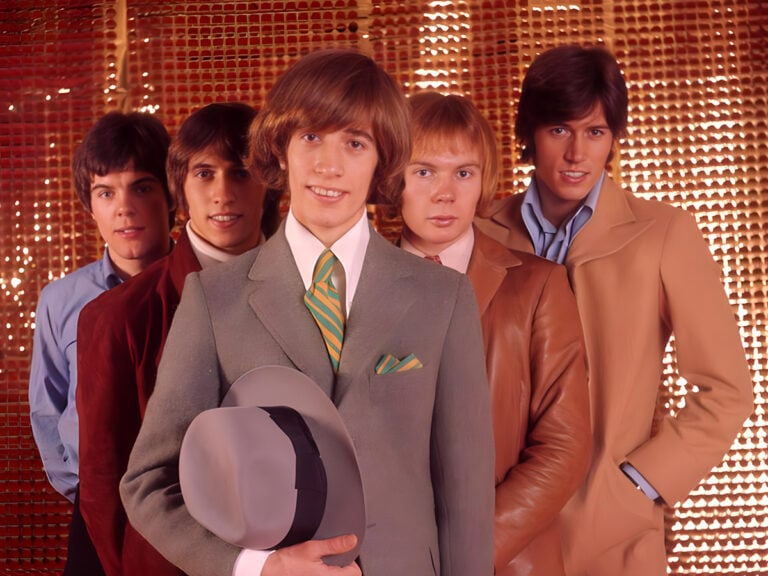

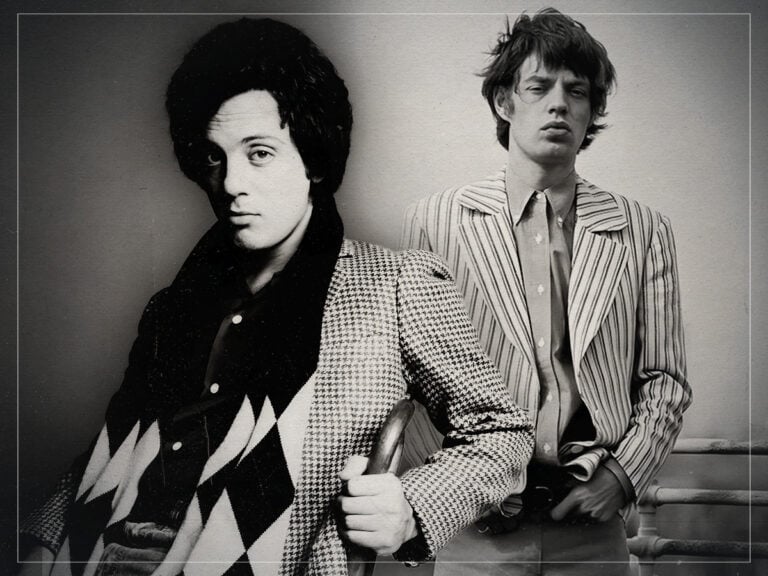
The book came out in 1970, and so was very much published as the band were calling it a day. It could be the case that Harrison didn’t want to write about Lennon so close to the break-up, or it could be that at the time, he genuinely didn’t think that Lennon needed mentioning. Whatever the reason, it was deeply frustrating to the songwriter, as he accused Harrison of blatantly lying.
“Well, I was hurt by George’s book, I, Me, Mine…so this message will go to him,” said Lennon, “He put a book out privately on his life that, by glaring omission, says that my influence on his life is absolutely zilch and nil. In his book, which is purportedly this clarity of vision of his influence on each song he wrote, he remembers every two-bit sax player or guitarist he met in subsequent years. I’m not in the book.”

Never Miss A Beat
The Far Out Beatles Newsletter
All the latest stories about The Beatles from the independent voice of culture.
Straight to your inbox.