


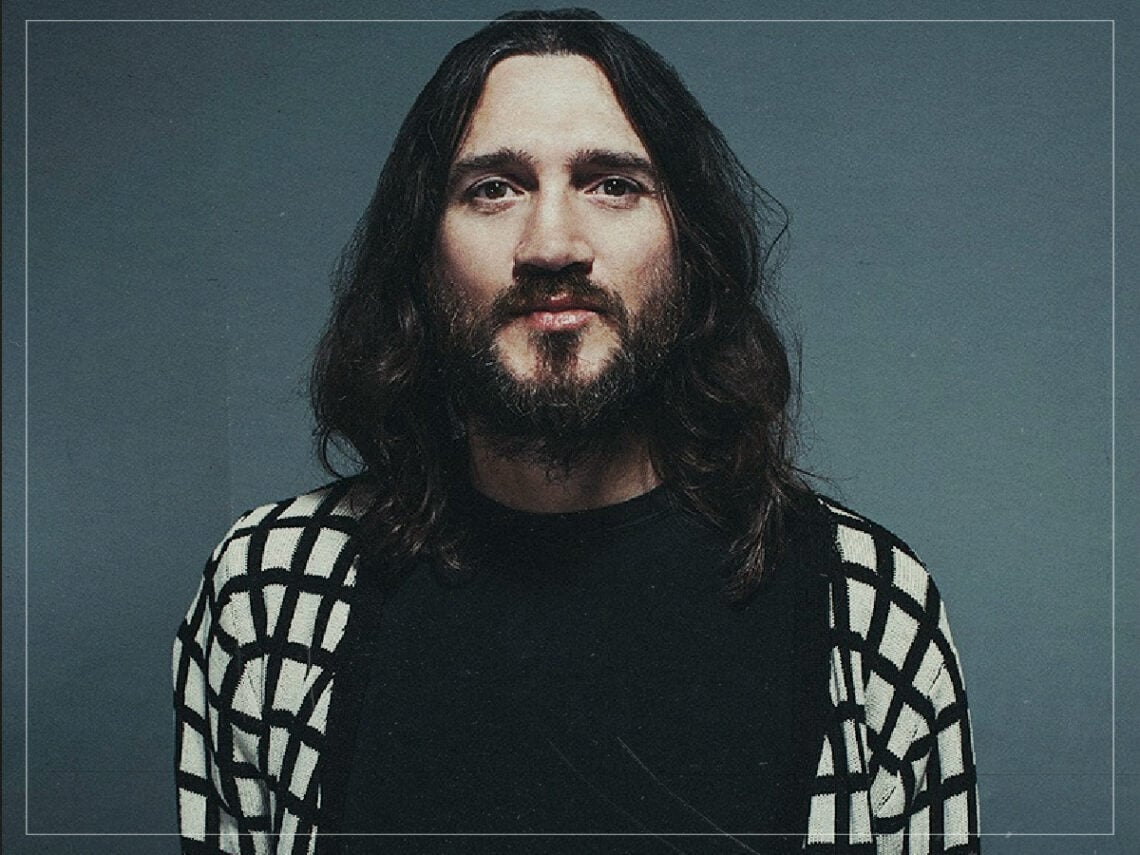
The band that saved John Frusciante from the brink: “Their music just meant the world to me”

The grunge movement was never powered by the idea of being cool. In fact, for all of its bands, not least Nirvana, the entire premise of being universally loved was a complete and utter turn off, but the harder they tried to resist it, the more the world wanted to love them.
After their 1989 debut album, Bleach, their gritty brand of grunge rock was no longer a movement of concentrated resistance but instead the widespread sound that captured the energy of a disillusioned generation. By ‘91 and Nevermind, Nirvana were the biggest band in the world and were forced to grapple with the growing conflict between authenticity and commercialism.
All of a sudden, the band’s underlying attitude of aggressive coolness was losing its venom, and now new bands looking to tap into an alternative zeitgeist were actively trying to rebel against their sound. At least, they were convincing themselves that’s what they had to do, for deep down they knew full well that despite the global acclaim, Nirvana were still a serious rock outfit.
“I used to try to hide the Nirvana influence because I felt like they were our contemporaries and I didn’t want people to know how much I loved them,” Red Hot Chili Peppers’ John Frusciante bravely admitted. At that point, the Peppers had been active for the same number of years as Nirvana and had even had the Seattle band open for them during their Blood Sugar Sex Magik tour.
Watching Nirvana dominate that show with such energy may have been tough for Frusciante to watch, especially given that he and his band were trying to carve their own niche with their enigmatic brand of funk-rock. But it wasn’t until he took his musician hat off and approached their music as a fan that the bitterness lifted and he realised the true brilliance of the band.
Frusciante added, “When I was down and out, their music just meant the world to me because punk was the music that got me into playing guitar, but I also loved all different kinds of pop music. So for somebody who couldn’t bind punk with pop as well as they did, yeah…their music meant a lot to me.”
Nirvana was a band that deeply understood people at rock bottom, and come the early ‘90s, Frusciante was right there. In ‘92, he had left Red Hot Chili Peppers for the first time after struggling with substance abuse issues and with the overwhelming competitive pressure of the music industry stripped away from him, he could see Nirvana as a band made up of very similar people. They weren’t the commercial megapower they had accidentally become, and it all clicked for Frusciante.
He continued, “When I first heard them and liked them, I was in rehab and that In Utero album had come out. I still think that’s their best album, and that was what got me real excited about them. Once I heard them sound actually like raw, just like guys playing in a room, that’s when I realised.”
When Cobain died a year later, Frusciante admitted to crying at the news despite not having any personal connection to him, but it was through his music and fandom of Nirvana that he began to realise Cobain was a tortured soul, just like him, and so, if anything, it gave Frusciante the motivation to realise his own redemption.
