


The band “too prog” for Queen’s Roger Taylor to join

Queen were never a band for everyone, but they found immense success by staying true to their distinctive style. Critiques like ‘overblown’ and ‘polished’ were inevitable, but they evidently didn’t care.
Their blend of theatricality and dynamic rock was divisive, yet the band’s self-awareness guided their artistic journey. This unique perspective allowed them to experiment boldly while keeping a grounded approach, occasionally offering sardonic artistic ripostes to critics. As Freddie Mercury once quipped, “We’re the Cecil B. DeMille of rock and roll, always wanting to do things bigger and better.”
This sharp edge, combined with their refusal to conform, solidified Freddie Mercury and the rest of the group as legends in the eyes of their devoted fans. In fact, they may well have the most impassioned fanbase in the whole of classic rock. Lyrics like those in ‘Spread Your Wings’, a story about a guy looking to leave his “dead life behind” and pursue his dreams, resonated massively with a growing mass of fans.
Queen might be known for their mainstream appeal, Mercury’s ridiculous vocal delivery heavily steeped in melisma, and deeply corny moments such as 1980’s ‘Flash’, but a markedly tough edge offsets their theatrical side. From ignoring the critics and brazenly following their artistic inclinations to Mercury holding up a young Bono against a wall at Live Aid, despite their colourful nature, the London quartet weren’t ones to be messed with.
Who’d have thought that a band known for being so self-aware would also be unafraid of making their feelings known? Across their career with and without the late Mercury, the members have established themselves as extremely frank about how they see the world and music, with their nice-guy image afforded a different dimension by such honesty.
While they often turned this on themselves and truthfully appraised some of their most celebrated songs, there have been other moments that undo the convivial image of Queen, including the usually amiable Brian May viciously labelling a journalist a “parasite” before smacking his phone out of his hand in 2020. There is clearly more to Queen than the likes of ‘Bohemian Rhapsody’ and ‘I Want to Break Free’ might suggest.
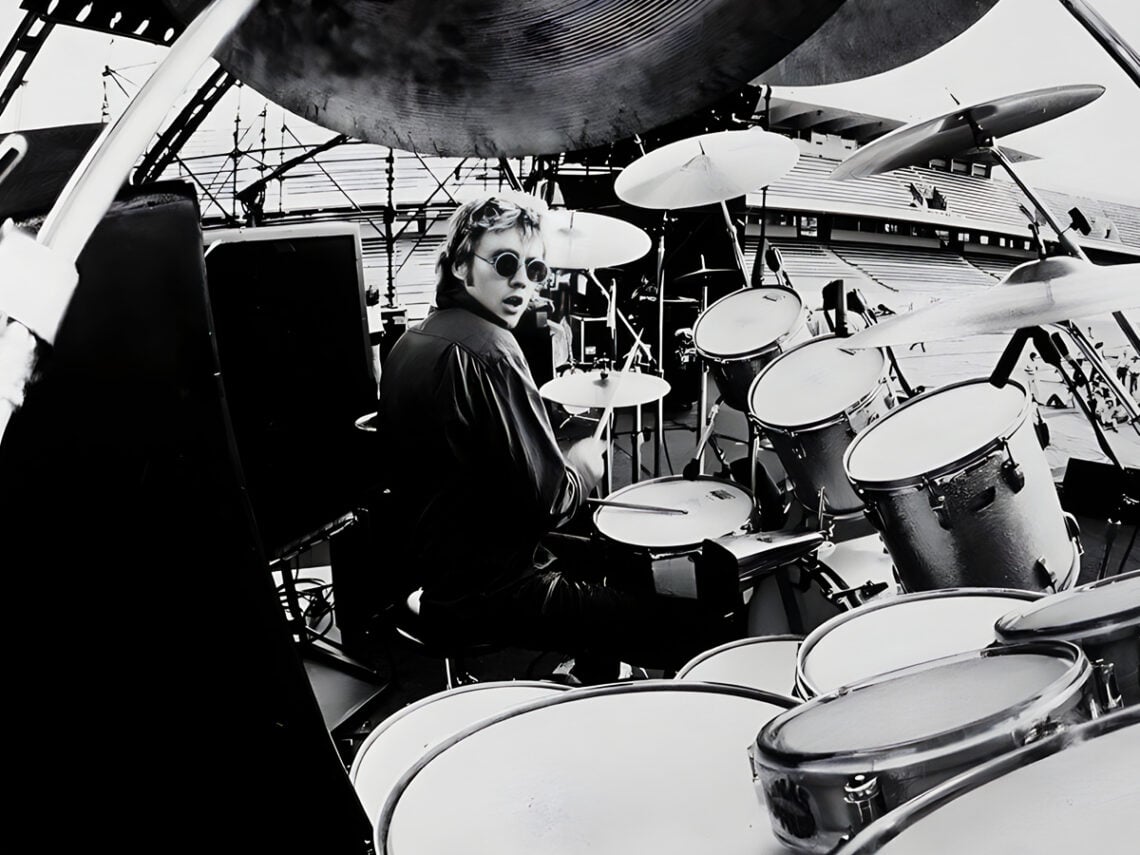
Their accounts of other artists contemporaneous to their heyday are particularly valuable, offering insight into how the band viewed themselves and their place in the world. One of the most surprising takes comes from drummer Roger Taylor, an absolute powerhouse behind the kit who also penned some of the band’s best-loved efforts. He eschews the typically removed position of the instrument from this area of band operations.
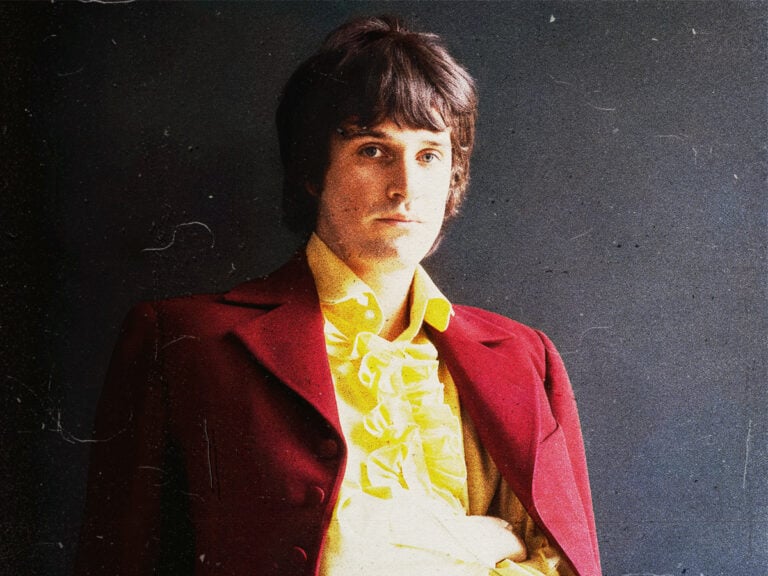
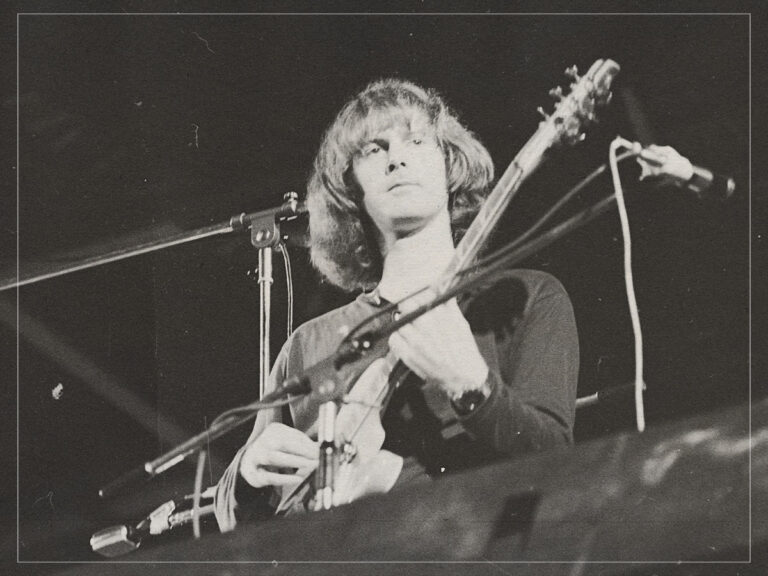
As Taylor is such a musical force, rhythmically and otherwise, it made sense that other prominent groups should come sniffing around when their own drummers left during Queen’s early years. This included Surrey prog innovators Genesis, who invited Taylor for an audition after firing John Mayhew. However, as he told Classic Rock in 2021, Taylor was having none of it. He thought they were “too prog for me”.
Addressing whether it was true that Genesis tried to poach him, he recalled: “Well, they invited me to the studio to listen to them, then we went to the pub. They didn’t say: ‘Do you want to join the group?’ But I get the impression that’s what they wanted, because their drummer had left.”
It’s not that he wasn’t tempted in some ways, though, it was just the small issue of the music being beyond his usual taste that tossed up a curveball. “They’re all lovely people, but I didn’t really get the music, to be honest. It was a bit too prog for me,” he said. “I had a wonderful offer from Mick Ronson and Ian Hunter, actually. It was going to be called Hunter Ronson Taylor. I think that would have been good.”
For Genesis and their fans, it’s a good thing Taylor didn’t accept their invitation. The man who replaced Mayhew was Phil Collins, another drummer and songwriting extraordinaire who would elevate the quality of their craft significantly. And the same can be said for Queen fans. Taylor was an integral part of their puzzle, racking up a legion of songwriting credits on the hits documented below.
The Queen songs credited to Roger Taylor:
- ‘A Human Body’
- ‘Action This Day’
- ‘Calling All Girls’
- ‘Coming Soon’
- ‘Drowse’
- ‘Fight from the Inside’
- ‘Fun It’
- ‘Future Management’
- ‘Heaven for Everyone’
- ‘Hijack My Heart’
- ‘I’m in Love with My Car’
- ‘In the Lap of the Gods… Revisited’
- ‘Modern Times Rock ‘n’ Roll’
- ‘More of That Jazz’
- ‘No-One but You (Only the Good Die Young)’
- ‘Radio Ga Ga’
- ‘Rock It (Prime Jive)’
- ‘Sheer Heart Attack’
- ‘Tenement Funster’
- ‘These Are the Days of Our Lives’
- ‘A Kind of Magic’
- ‘The Loser in the End’
- ‘Under Pressure’
- ‘White Man’
