


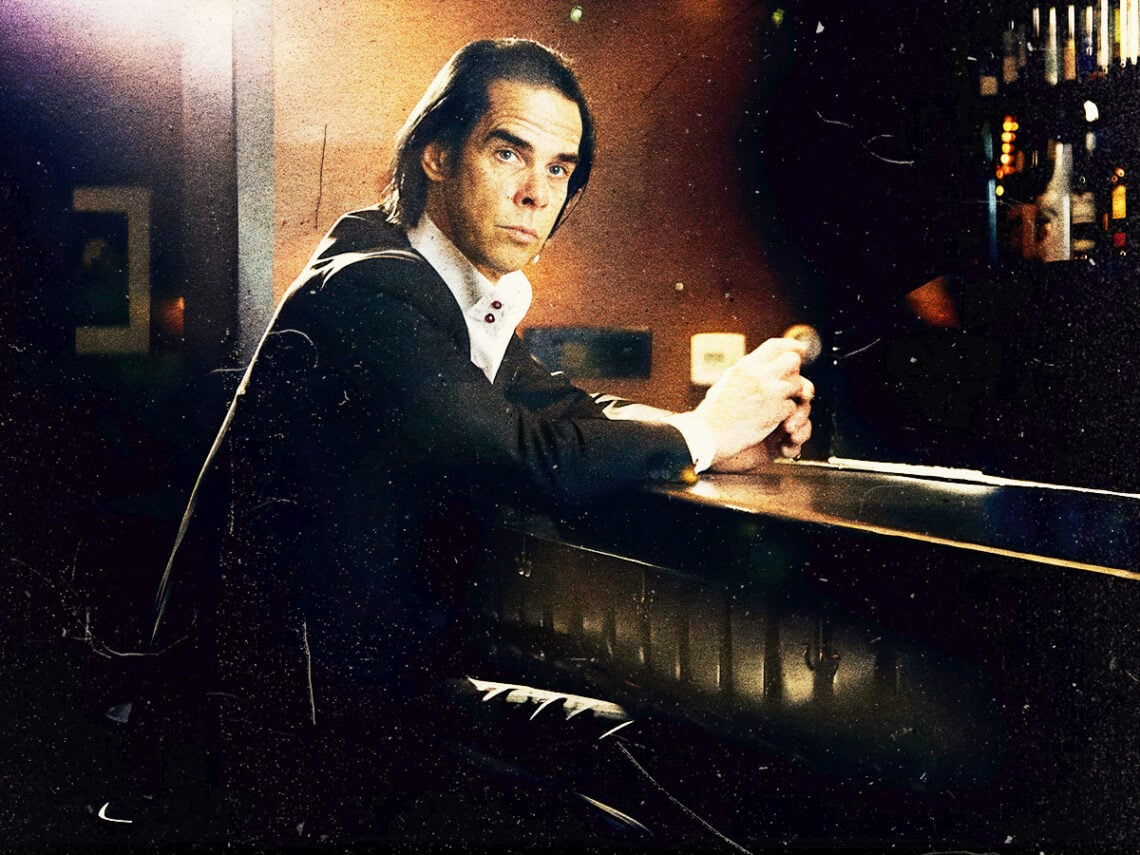
The band that gave Nick Cave the “schizophrenic” template for the Bad Seeds

Back in the 1990s, Nick Cave was a total mystery. The terrifying messiah of a new grunge-infused punk wave, Cave and his Bad Seeds were deep in the dark depths of murder ballads and heavy drugs. But as the years have passed, Cave has opened up more and more. The musician has shared much about his life and influences through his books, interviews, and weekly newsletter, The Red Hand Files.
It’s a privilege to peek behind the Nick Cave curtain, allowing fans to learn more about what makes the artist tick and how he landed his own unique style. Merging the heavy, wild punk of his youth with a more mature songwriting akin to that of Bob Dylan or Leonard Cohen, the Nick Cave of today is the result of a lengthy journey.
But one revelation suggests that his guitar styling was set from an early age. Holding his earliest influences close to this day, Cave’s teenage tastes still reign supreme. “We know who your favourite singers are, but who are your favourite guitarists?” a fan asked Cave back in 2019.
In his newsletter, he responded, “When I was a teenager I was a huge King Crimson fan”. Talking about the late 1960s British progressive rock band, the band led by Robert Fripp stood out to Cave. “King Crimson was able to combine extraordinary moments of purity and fragility with super heavy rock ‘n’ roll,” he continued, “Maybe they imprinted somewhere in my mind the template for some of the more schizophrenic Bad Seeds songs.”
While Nick Cave’s later music is far more mellow, centred more around a piano than a guitar, and often dealing with the tender topics of grief and religion, his early work was rabid. Full of clunky, screeching guitars on tracks like ‘Dig, Lazarus, Dig’ or the eerie rattling on ‘Stranger Than Kindness’, the influence of old progressive rock is clear.
The entire progressive rock genre provided a wealth of inspiration to a teenage Cave, as he explains that King Crimson “were masters of the sudden violent eruption”. Introducing him to a whole new world of music, Cave said, “As a teenager, I was a big English progressive rock fan. Pink Floyd, Jethro Tull, Procol Harum, Yes, Emerson, Lake and Palmer – I loved that stuff. I still do.”
Robert Fripp and David Gilmour stand out especially: “To this day, Robert Fripp and David Gilmour are giants to me, and remain among my favourite guitarists,” he continues, “These guitarists play as if they are singing, I think,” describing their sound as “satiny, stirring and epic.”
Those three words also provide a perfect description of the kind of music Nick Cave would go on to make, both as an early punk and as the adventurous ballad writer he is now.
Calling Robert Fripp’s guitar playing “radical, dangerous and unpredictable,” it’s easy to see how Nick Cave’s wildest songs came to be.
