


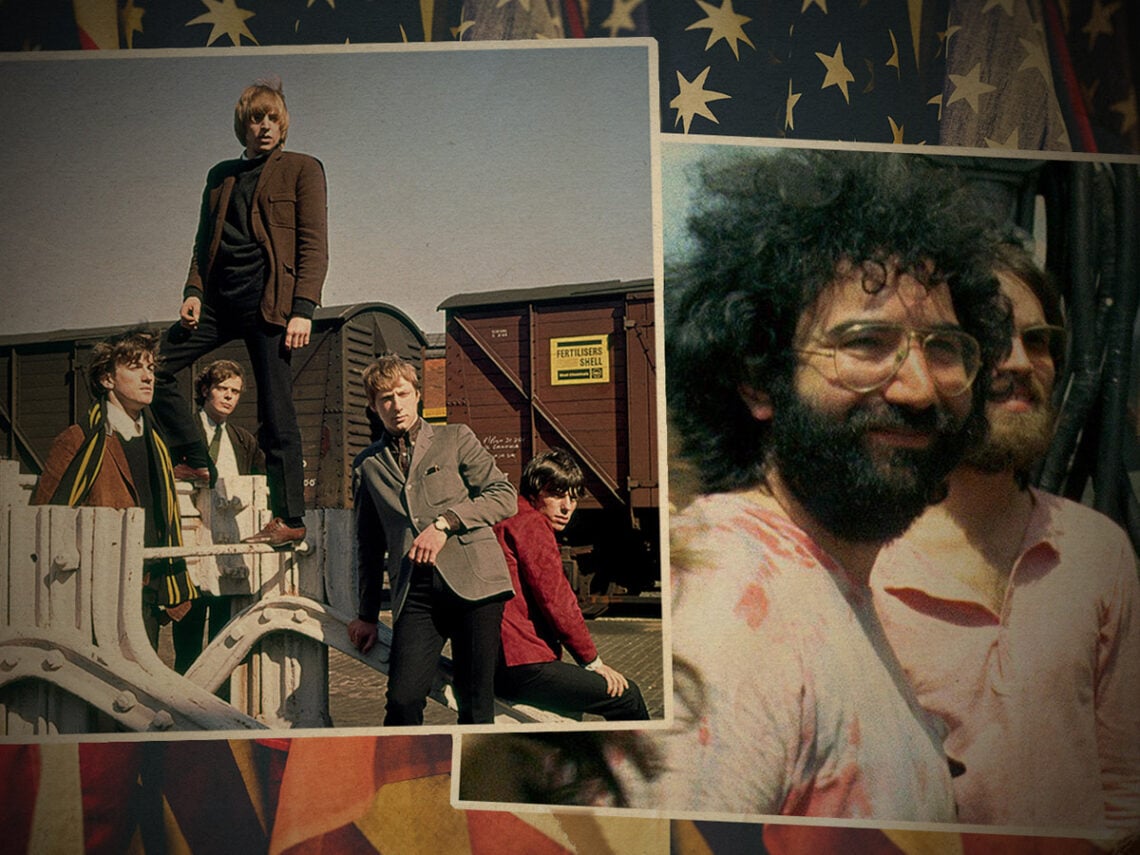
The American icon that links The Yardbirds and the Grateful Dead: “We rushed in and recorded”

Ask The Yardbirds, the Grateful Dead and just about any other band who found their footing in the 1960s for their influences, and there is a good chance that at least a handful of blues artists would be listed among their most cherished influences. Blues music was absolutely everywhere in the 1960s.
After bubbling within Black culture all throughout the 20th century, white audiences first grasped the magnitude of classic performers like Robert Johnson and Howlin’ Wolf only after artists like Eric Clapton and The Rolling Stones began picking them up. In both the UK and the US, classic blues standards were getting a second life with rock audiences, and by the end of the 1960s, blues rock became one of the biggest genres in all of music.
This meant a delicate balance was being struck. Newly formed bues and rock bands from distinctively white parts of the globe found themselves repurposing Black music for new audiences. It certainly has a somewhat sour undertone, noting that presenting this music with a white face held a better chance of flying up the charts than with the original composer, but it also meant that new audiences were getting to experience all the wonders of the blues they had never been gifted before.
For a song like ‘Good Morning Little School Girl’, the path from blues rarity to rock standard was rocky. For one, there was some confusion over who wrote and sang the original version. Most players were taught by other people who knew the song, and it was commonly credited to ‘Sonny Boy Williamson’, the famous American blues harmonica player. There was just one problem: there were two Sonny Boy Williamsons.
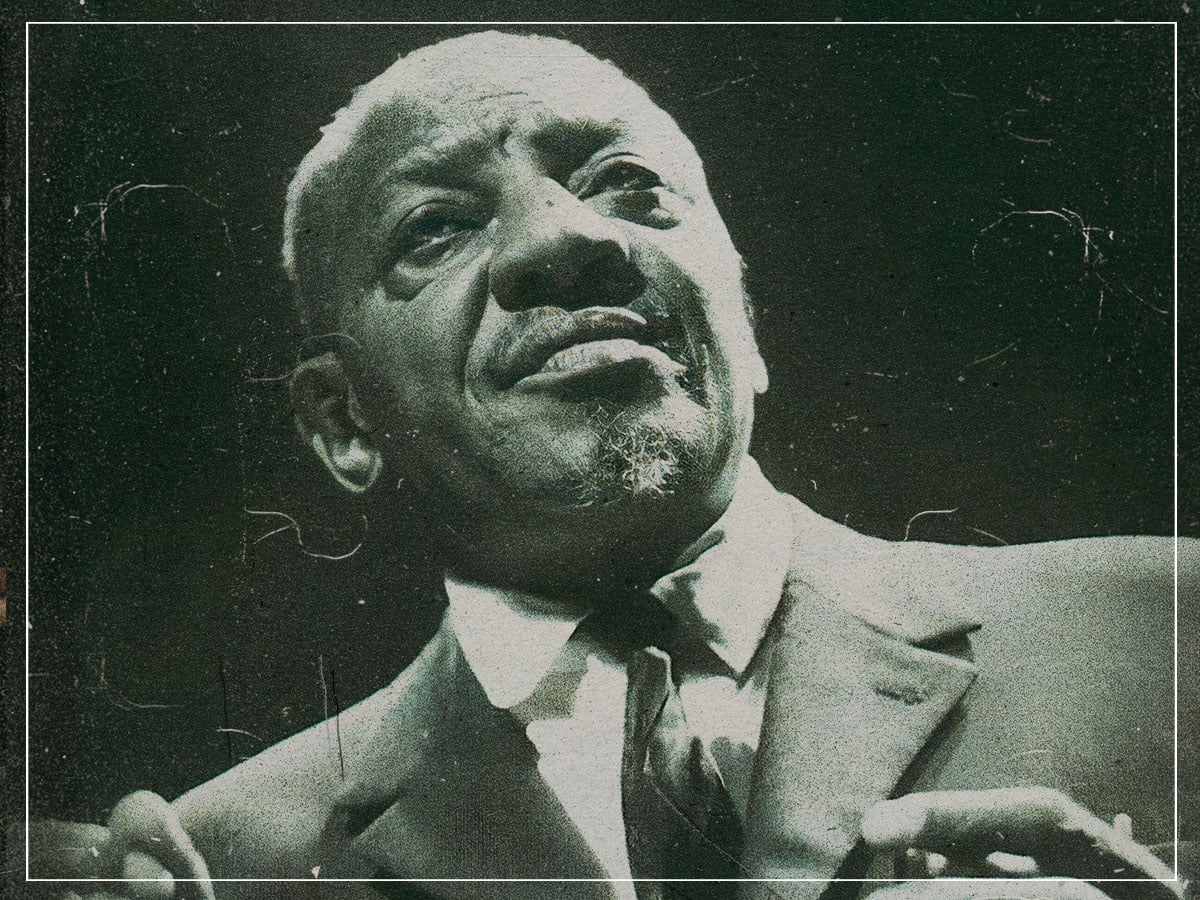
The one who wrote ‘Good Morning Little Schoolgirl’ was the man now commonly known as Sonny Boy Williamson I. Born John Lee Curtis Williamson, the first Sonny Boy Williamson recorded sporadically and died in 1948. His legacy mainly relied on the musicians who he influenced, including Muddy Waters and another harp player by the name of Alex ‘Rice’ Miller. Miller stole Williamson’s name and attempted to convince audiences that he was the original blues harp player, gaining success in the post-war music era that the original Williamson didn’t live to see.
These days, Miller is often credited as ‘Sonny Boy Williamson II’. Just to add to the confusion, both Williamsons had songs in the blues canon that eventually found their way into the repertoire of The Yardbirds. ‘Good Morning Little Schoolgirl’ was by the original Williamson, while songs like ‘Dust My Broom’ and ‘Don’t Start Me Talkin’ were by Williamson II. The Yardbirds even toured with Sonny Boy Williamson II as his backing band in the early 1960s, forging a bond that left the two acts forever connected.
When The Yardbirds picked up the original Williamson’s ‘Good Morning Little Schoolgirl’, though, they didn’t reference the recording made by Williamson. Instead, they based their version on Don and Bob’s loose cover of the song in 1961. “[The Yardbirds were] working about every single night of the week,” Eric Clapton remembered in the liner notes for 2002’s The Yardbirds Story. “Trouble was finding new material for a disc. We remembered this ‘Good Morning Little School Girl’ from a rather obscure R and B artiste—a friend of ours had it on a long-player. So we rushed in and recorded it.”
Clapton wasn’t happy with most of the early Yardbirds material, but he did remain fond of ‘Good Morning Little Schoolgirl’. “[They] sounded pretty lame,” Clapton recalled in his 2007 autobiography. “We just sounded young and white, and even though our second single, a cover of a rock version of ‘Good Morning Little Schoolgirl’, sounded much better, I felt just that we were falling short of the mark in some way. This was not something I felt just about the Yardbirds, but about other bands that I admired, like Manfred Mann, the Moody Blues, and the Animals, all of whom were far better live than they were on recordings.”
Across the pond, another band of blues acolytes were adding ‘Good Morning Little Schoolgirl’ to their repertoire. The Grateful Dead made the track one of the first songs they took on after evolving past their initial jug band roots. Singer Ron ‘Pigpen’ McKernan was an American blues fanatic and was familiar with Williamson’s original recording of the song. That’s why, even though they have the same title and origin, the versions of ‘Good Morning Little Schoolgirl’ from The Yardbirds and the Grateful Dead are very different.
‘Good Morning Little Schoolgirl’ appeared on the Dead’s 1967 self-titled debut album and became a showcase for Pigpen’s harmonica playing. It was played exactly 80 times by the band between 1966 and 1970 (according to Ierry Base), after which it was retired as Pigpen expanded his repertoire. After Pigpen’s death in 1973, the Dead revived ‘Good Morning Little Schoolgirl’, this time with Bob Weir on vocals, a total of eight times between 1987 and their final year together in 1995.
Check out both versions of ‘Good Morning Little Schoolgirl’ down below.

Never Miss A Tale
The Far Out Classic Rock Newsletter
All the latest Classic Rock content from the independent voice of culture.
Straight to your inbox.