


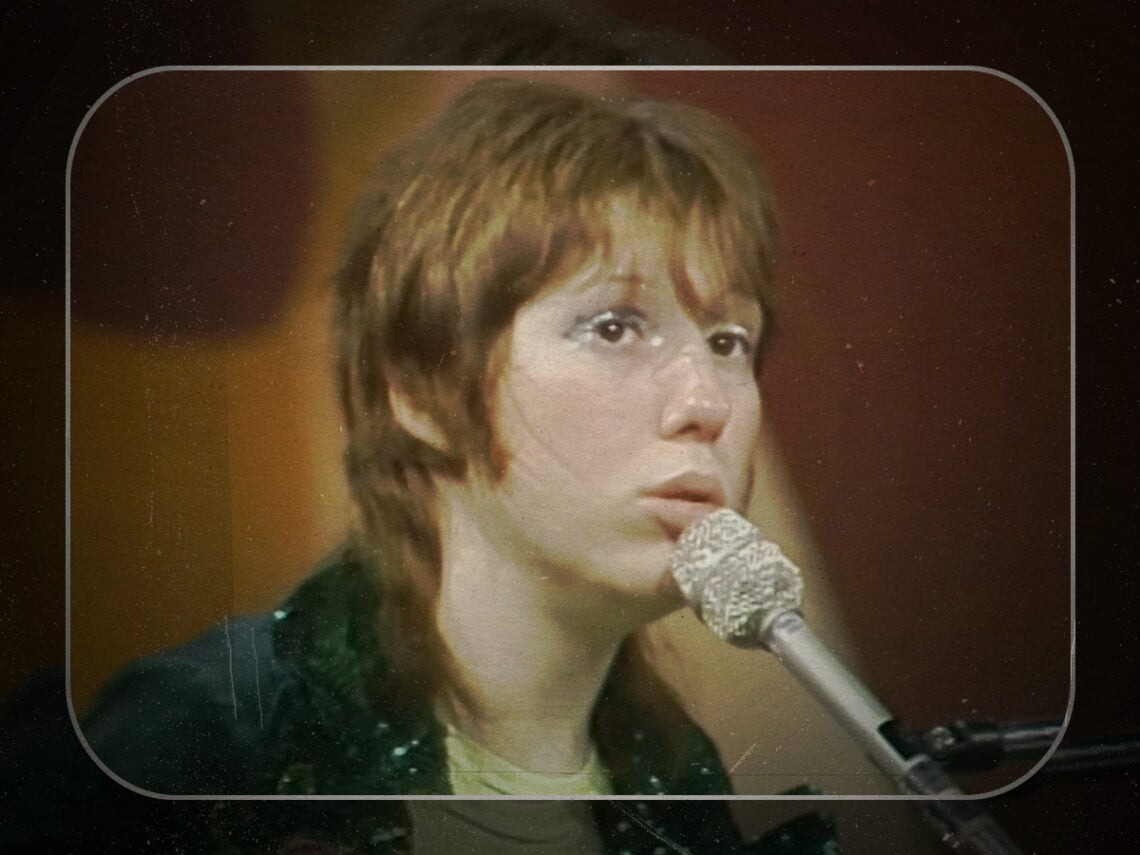
The “alive musician” who inspired the sound of Fanny

When we think about the 1960s and 1970s for rock, most of us have a bias that brings up the same handful of names: The Beatles, Led Zeppelin, David Bowie, and The Rolling Stones.
It’s the kind of bias that pushes other influential female-fronted acts to the sidelines, even though they did just as much to revolutionise the scene forever, if not more. The kind of bias that pushes bands like Fanny far out of sight.
There’s a lot to be said about the treatment of women in the music industry during this time. Patti Smith once put it eloquently when she recalled having to fight to be taken seriously when she was recruiting her band, because most people would turn up to auditions, see she was a woman, and leave. Stevie Nicks and countless others have also discussed what it was like rising to fame in a space with so few female idols and the push to make yourself known when all everybody wanted to do was disregard them.
Fanny bassist Jean Millington once said of the time: “Most of the girl bands were a novelty act. […] They were radically different times. We had to prove that we were serious and that we could really play our instruments.”
“Women who could rock hard were a rarity in those days.”
Jean Millington
Like many, they were “up against” it because they didn’t have privilege built in like many of their male counterparts.
The band’s Nickey Barclay also revealed how they went through a phase of feeling like they should apologise for everything, but soon nipped that in the bud and became one of the realest, most alive bands out there – most of it built from a mantra of just going for it and seeing what happens. Literally, when Barclay was first starting out, she put her name down as a pianist despite not having played the instrument a day in her life.
But she got it down in just over a week. “The way I learned — the way I’ve always learned — is that it just happens,” she told New Musical Express in 1973. “I just used to play, and sometimes I’d work something out that I couldn’t fit in. But then I’d see, a little while later, the right way in which it could be used. Now I think I can stand up as a rock organist.”
She became inspired by people like The Who’s Pete Townshend, especially when it came to expansive music that incorporated different elements, and sought to do the same in her own work. But when it came to music with that special kind of essence you can’t easily explain with words, she took notes from the Zombies’ Rod Argent. According to Barclay, Argent could make music embellished with different colours, incorporating his knowledge of classical music to make it all come together beautifully.
“Rod Argent is what I’d call an alive musician,” she explained. “He uses the organ as a colouring instrument, and that’s the way I think it should be used. The thing about guys with classical training behind them is that they usually end up with just the ordinary Hammond sound — training can’t teach you about colour.”
Adopting these attitudes from other greats is what enabled them to eventually “play and deliver live”, as June Millington once said. This wasn’t because they’d borrowed certain aspects from their male peers, per se, but because they were able to recognise greatness in others and make it something else, something entirely their own, something undeniably brilliant in a way that gave others no choice but to sit up straight and truly listen.
