


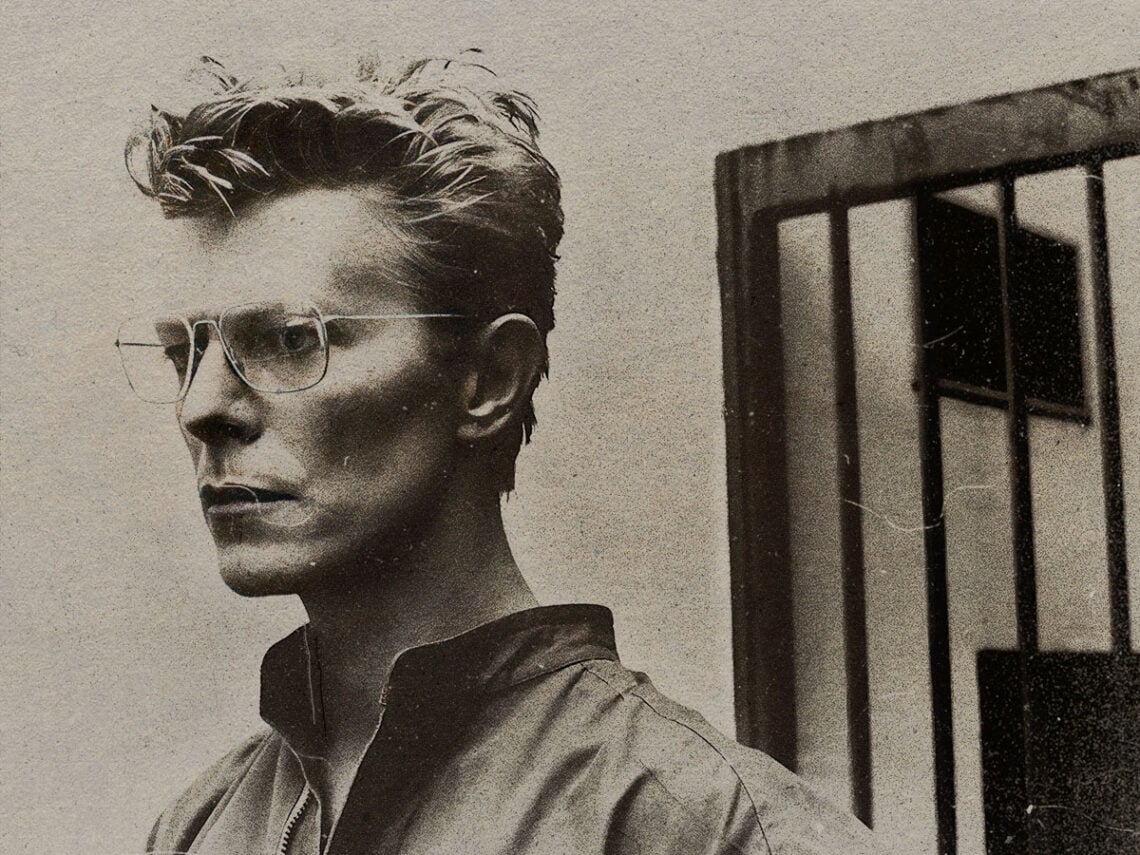
The album David Bowie called a “fundamental” of rap

Throughout his life, David Bowie saw many different musical forms rise to prominence. From the cultural explosion of the 1960s to contemporary music developing into a kaleidoscopic postmodern landscape facilitated by the rise of the internet, the Londoner witnessed immense change until his death in 2016.
One of Bowie’s greatest strengths as an artist was that he always had his finger on the cultural pulse. This ear for the hottest new sounds fuelled most of what he did. While it might have taken him a long time to break out as a star, after he reached the inner sanctum of fame, this close attention to musical developments meant he managed to stay relevant and continually refine his art.
Accordingly, after Bowie burst onto the scene as the hero of glam rock with 1972’s Ziggy Stardust, he would cherrypick from across culture, and from then on, until his final effort, 2016’s Blackstar, he tried his hand at seemingly every genre under the sun. Whether it be 1950s doo-wop, Nile Rodgers-assisted disco, or even the metallic pang of industrial, this propensity for experimentation produced many highs, establishing one of the most fascinating oeuvres in pop history.
Introduced to the thrilling worlds of avant-garde and jazz by his older half-brother, Terry Burns, Bowie would show across his career that he knew what he was talking about when it came to good music. He would also continue to champion music from the left field when he was a global superstar and open fans’ eyes to the brilliance that is found in niche areas outside of the mainstream.
There was no better exhibit of this position than when he listed his 25 favourite albums for Vanity Fair in 2003. Brimming with weird and wonderful records by everyone from The Fugs to Florence Foster Jenkins, it remains one of the most enlightening peeks into the complex mind and creativity of David Bowie.
One highlight of the list is the self-titled 1970 debut by political poetry group The Last Poets, who rose out of the African-American civil rights movement’s Black nationalism in the late 1960s and were one of the progenitors of hip-hop. Bowie was acutely aware of their cultural significance and asserted why the album was a “fundamental” building block for rap.
He said: “One of the fundamental building blocks of rap. All the essential “griot” narrative skills, splintered with anger here, produce one of the most political vinyls to ever crack the Billboard chart. While talking rap (what?), I can piggyback this great treat with the 1974 compilation The Revolution Will Not Be Televised (Flying Dutchman), which pulls together the best of the formidable Gil Scott-Heron works.”
Listen to The Last Poets below.
