


The 1998 co-star who left Brendan Fraser in awe: “Surrounded by an aura of ability”

It was comedy and escapism that made him a major star in the late 1990s, but Brendan Fraser always sought to alternate his more light-hearted fare with projects that would both allow him to flex his dramatic muscles and put him into the orbit of some genuine acting heavyweights.
When he wasn’t starring with Pauly Shore in Encino Man, sharing the screen with Adam Sandler in Airheads, or swinging around on vines in George of the Jungle, Fraser could be found working with Donald Sutherland in Younger and Younger, sparring with Albert Brooks in The Scout, or pitting his wits against Shirley MacLaine in Mrs. Winterbourne.
Even when his charming and debonair turn as Rick O’Connell in The Mummy franchise made him a household name and global superstar, Fraser remained as keen as ever to mix it up, bouncing from Elizabeth Hurley caper Bedazzled to Michael Caine’s The Quiet American and controversial ‘Best Picture’ winner Crash.
The best performance of his formative years in Hollywood by far came in Bill Condon’s period drama Gods and Monsters, the fictionalised account of famed Frankenstein director James Whale, with Ian McKellen’s protagonist growing increasingly infatuated with Fraser’s fresh-faced and handsome gardener in a complex two-hander that saw both at their best.
McKellen earned an Academy Award nomination for ‘Best Actor’, and Condon scooped the Oscar for ‘Best Adapted Screenplay’, but even though Fraser wasn’t part of the awards season success that greeted Gods and Monsters, he found the leading man to be an invaluable asset in solidifying his own aspirations.
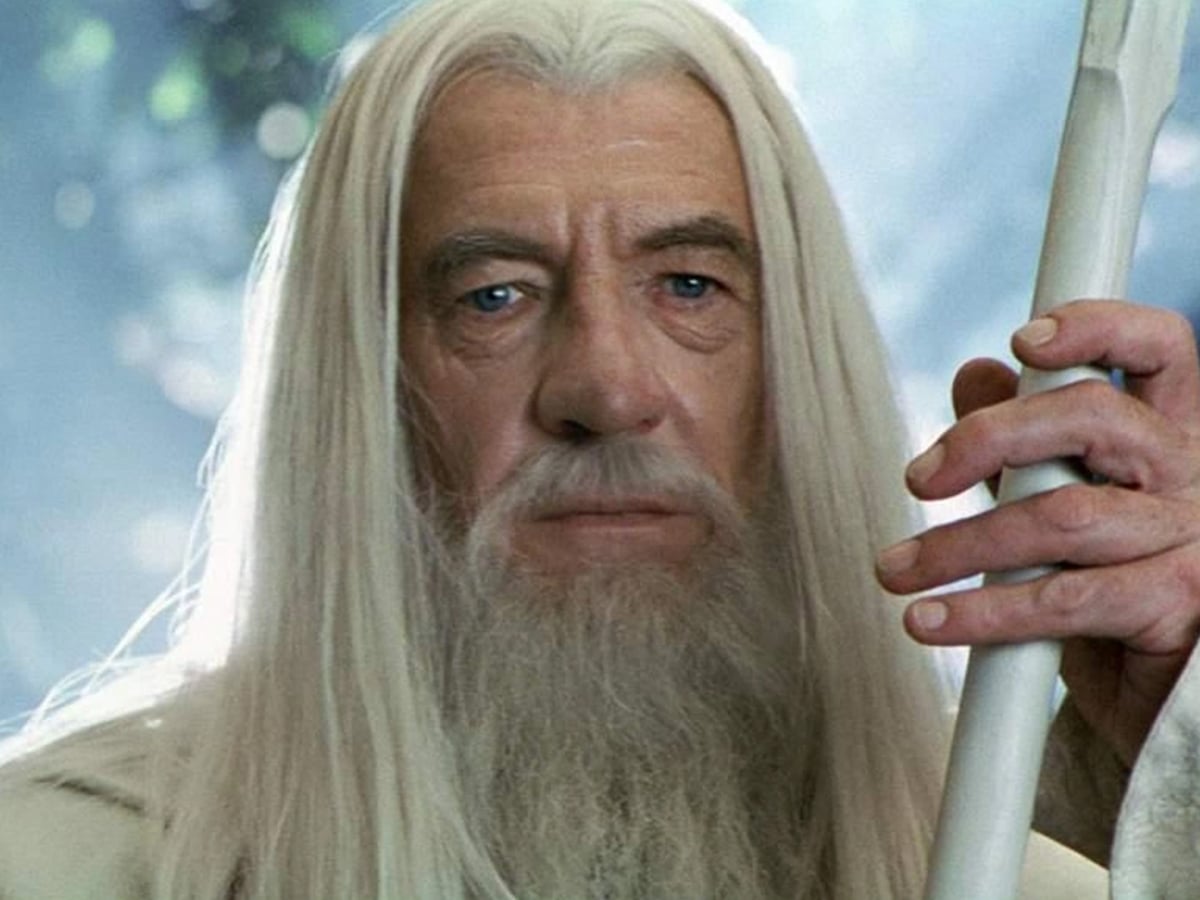
“He was surrounded by an aura of ability and professionalism and enormous talent,” the actor said to Cinema of his esteemed colleague. “But at the same time, he was immensely approachable. He certainly taught me that the work is not about ego but that it always comes back to basics; scenes do not work if you cannot get a handle on the words.”
It was advice that carried particular weight coming from an actor whose reputation had been built on discipline rather than celebrity. McKellen had spent decades moving effortlessly between stage and screen, earning acclaim not through movie-star charisma alone but through an unwavering commitment to the fundamentals of performance. For a young actor still establishing his identity in Hollywood, that example arguably mattered as much as any formal acting lesson.
The timing was equally significant. Fraser was on the verge of becoming one of the industry’s most recognisable leading men, a transition that can easily encourage performers to lean into persona over craft. McKellen’s emphasis on serving the script instead of the ego offered a useful counterbalance, reinforcing the idea that longevity depended less on fame than on continually refining the work itself.
Fraser was awestruck not only getting to work with such an immensely talented thespian but also being given life and career lessons for free that would become ingrained into his memory as he continued his own rise up the ranks, with The Mummy hitting cinemas just six months after Gods and Monsters. Thanks to McKellen, he’d gained a better understanding of the craft than ever before.
McKellen didn’t abandon his support of Fraser after the cameras stopped rolling, either, with the stage favourite recommending his Gods and Monsters scene partner for the leading role in a 2001 production of Tennesse Williams’ Cat on a Hot Tin Roof when he caught wind that it was in development, which doubled as Fraser’s first time treading the boards since he’d made his name on the big screen.
