


The 1996 movie Martin Scorsese hailed as “genuinely erotic but also profoundly disturbing”

Throughout his trailblazing career, Martin Scorsese has always championed cinema that has attempted to transcend the limitations of the medium.
Ranging from silent-era masterpieces to contemporary auteurs such as Ari Aster, Scorsese has consistently emphasised the importance of films that have something meaningful to say about art and the world we inhabit. That’s exactly why many cinephiles religiously follow the lists he curates for aspiring directors.
Like many other prominent figures in the film industry, like Quentin Tarantino, Scorsese often makes year-end lists that reflect his personal tastes as well as the state of the cinematic landscape. In one such selection where he named some of the greatest films of the 1990s, Scorsese spoke about one of his favourite erotic films of all time. Interestingly, it is also one of the most disturbing films made during that important decade.
Directed by none other than David Cronenberg, Crash is a fascinating adaptation of JG Ballard’s influential eponymous novel. It revolves around a group of car crash survivors who became addicted to the thrill of death, regularly recreating the moment of impact in different ways just to feel the same kind of rush again.
While describing the brilliance of the film, Scorsese said, “Genuinely erotic but also profoundly disturbing. Beautifully controlled and completely unconventional.”
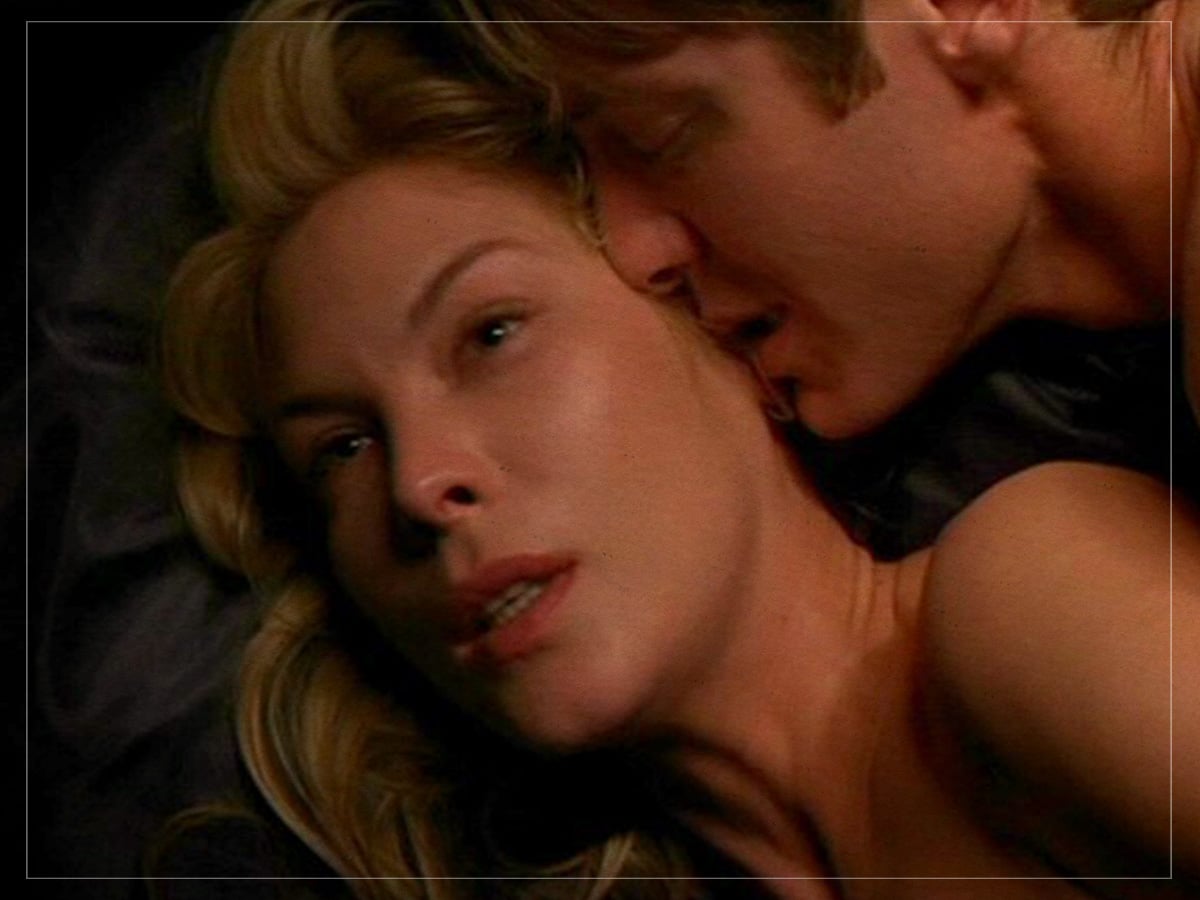
Crash is one of those rare masterpieces that rise above the trappings of genre filmmaking, striking at a much higher truth about the human condition. While the erotic elements of the film form the major narrative thread, it also has sci-fi undercurrents and commentaries about the post-human union between our biological structures and technological inventions. During a conversation with Film Comment, Cronenberg explained Ballard’s obsession with the technological future.
What makes Scorsese’s admiration even more notable is that Crash was one of the most fiercely debated films of the 1990s. Following its premiere at Cannes, where it won a Special Jury Prize, the film sparked outrage among critics, politicians, and campaign groups who viewed its collision of sex, technology, and violence as deliberately provocative. Cronenberg’s adaptation was accused of glamorising dangerous behaviour, but supporters argued that it was doing the exact opposite, using extremity to explore modern alienation and obsession. Nearly three decades later, that tension remains central to the film’s enduring fascination.
Discussing the work, the director began: “When I started to read Crash, I was thinking of Ballard as a sci-fi writer, and the book does have a kind of a sci-fi tone. These people in the book, and certainly in the movie, are different from us. Maybe we are their ancestors. The sci-fi element in the book that is so hard to define is exactly that: the psychology and perhaps the physiology as well, in some subtle way, is not what we consider normal, and it could be seen as where we’re going. And that’s the sort of prophetic part that is very strong in all of Ballard’s writing — he’s interested in technological prophecy.”
When asked about the themes of sexual initiation in the film, Cronenberg responded: “There is an element of initiation, but not necessarily sexual. It’s sort of initiation into an awareness and a slant on life. At the beginning of the film, the sex is rather anodyne, it’s lost its power. It only regains some of its power when it’s connected to other forces that give it meaning and life, and dynamism”.
” It’s sex against death; it’s eros and thanatos very definitely intermixing.”
David Cronenberg
Over the years, Crash has built up an even more fascinating cult status, helped in part by Cronenberg himself, who often drip-feeds more previously unknown information about the film. The audacious movie has a lot of striking scenes, but interestingly, Cronenberg decided to cut a bold segment from the final version and cut a “sensational” scene.
Cronenberg explained to The Guardian: “Rosanna was breastfeeding her baby when we shot Crash, and in one of the scenes where she’s having sex in a car with James Spader, suddenly, this huge spurt of milk shot across the screen. It was pretty sensational; we were all excited that it happened, but the thing is, in the movie, that character is not pregnant and is not breastfeeding, so dramatically, it made no sense. And though Crash is kind of a fevered dream-nightmare, it still has its own logic.”
While some might assume that this was removed from the already transgressive film due to censorship demands, that wasn’t the case. The filmmaker hilariously admitted that he was a fan of the scene, but it just didn’t work.
He added: “So I cut it not because of censorship or anything else – really, I thought it was a great moment. I loved it, and her breasts were very full in those scenes as a result, which was also rather nice. She certainly didn’t need implants!”
Cronenberg’s adaptation of Ballard’s novel, like all his other works, isn’t just a simple body horror flick. It’s a profound psychological investigation of the human condition and how we process trauma and pain.
