


10 iconic 1990s movie characters nowhere near as cool as you remember

Gen X needs to admit that not everything that was cool in the 1990s has held up.
One of the most exciting aspects of ‘90s cinema was that the influx of avant-garde, independent, and transgressive filmmakers in the industry led to the creation of unusual characters, many of whom wouldn’t have been the lead of a movie in generations past.
Whether it was Vincent Vega (John Travolta) in Pulp Fiction, President Thomas Whitmore (Bill Pullman) in Independence Day, the Dude (Jeff Bridges) in The Big Lebowski, Neo (Keanu Reeves) in The Matrix, or Phil Connors (Bill Murray) in Groundhog Day, these characters became more than just fun ideas for Halloween costumes; they felt like fully rounded-out people, and unsurprisingly lead to the development of legitimate philosophical studies.
Since these were the days before prestige television became the best medium to tell mature stories for adults, film was the best option for those seeking out exciting new perspectives.
Popular culture has finally begun to learn that excessive nostalgia for the ’80s is not going to be a good thing in the long run, and the same will soon be true of the ‘90s. While it was arguably a decade that saw the release of more great films that have stood the test of time, what was considered groundbreaking or impressive 30 years ago might not exactly hold up today. It’s often the most popular characters that seemed cool at the time were just part of a passing fad, and now feel very cringe-inducing when looked at from a modern context.
10 iconic 1990s movie characters that are actually uncool
Jim Carrey as Ace Ventura – ‘Ace Ventura: Pet Detective’
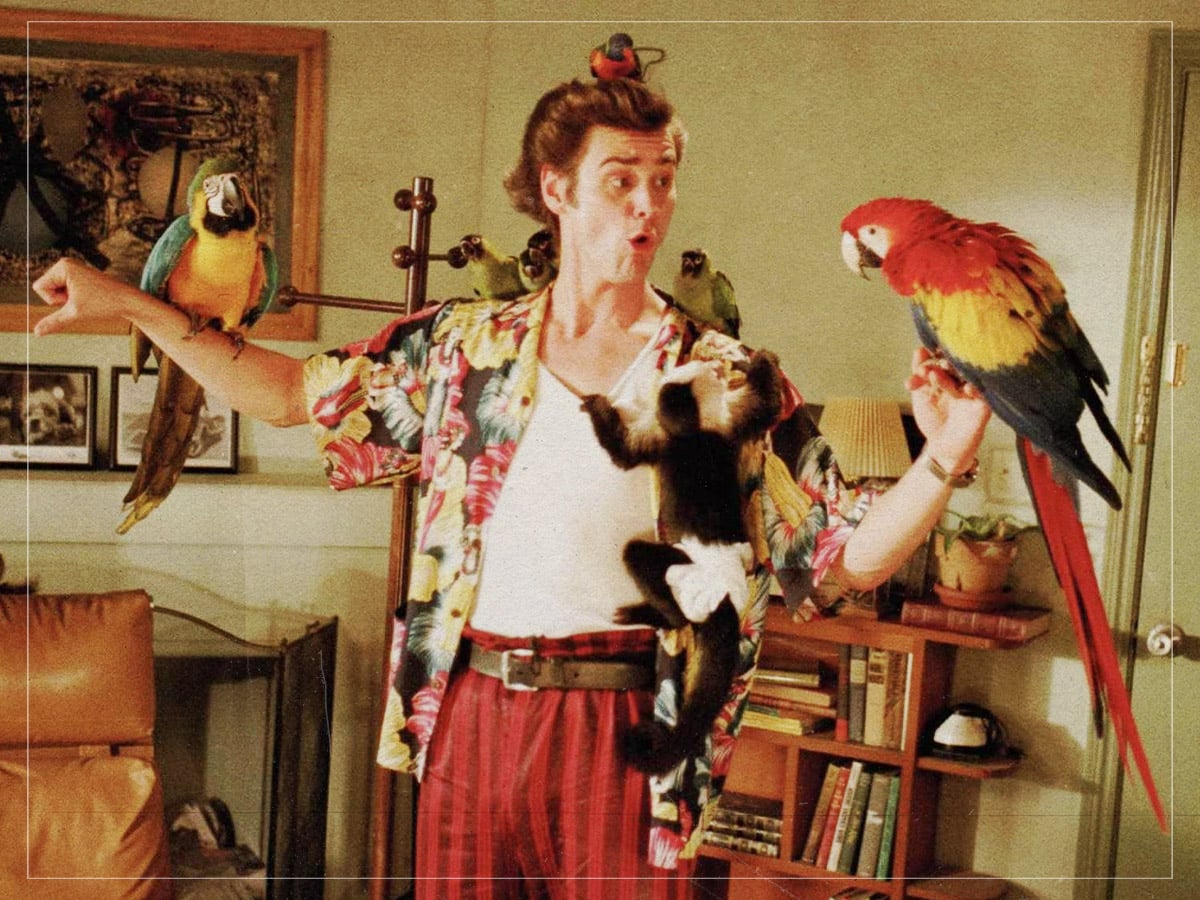
Jim Carrey is a true ‘black liquorice’ actor who people either love or hate, but his output in 1994 is one of the most impressive launches for any movie star in the history of Hollywood. Within a 12-month span, Carrey was the star of three number-one hit comedies with Ace Ventura: Pet Detective, Dumb & Dumber, and The Mask, which solidified him as a generational favourite.
The Mask and Dumb & Dumber are legitimately great comedies that still hold up, but Ace Ventura is a film that was aimed at children and was guaranteed to irritate anyone who wasn’t in the right age range when it came out. Even ignoring the fact that the film is fairly offensive with its transphobic humour, Ace is an irritating presence who simply won’t stop talking, and there are many better showcases for Carrey’s talents in this field.
Brent Spiner as Data – ‘Star Trek: Generations’
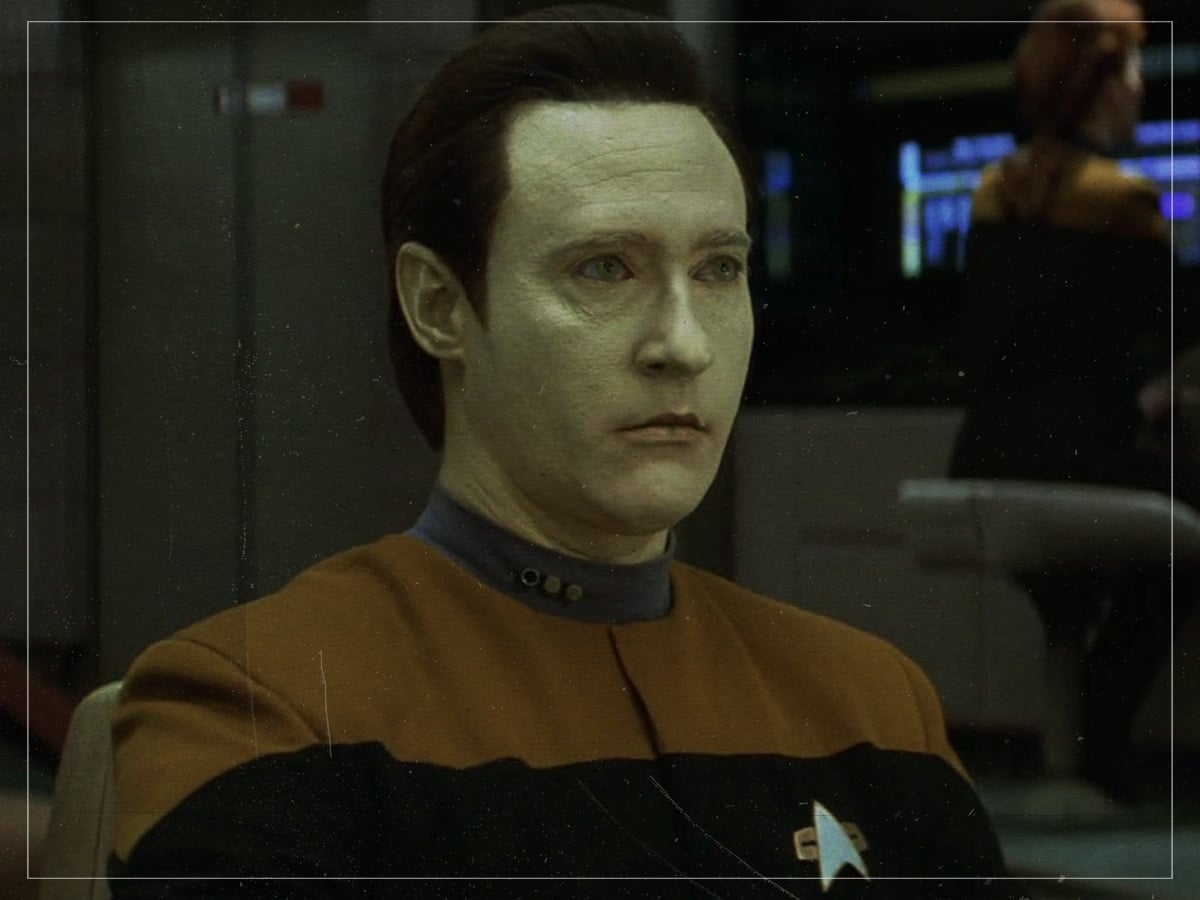
Star Trek has had a somewhat rocky history in terms of consistency, but the franchise reached a critical apex with Star Trek: The Next Generation, a legitimately great television series that provided smart, heartfelt, and inventive entertainment.
However, the cast had done so much on the television series that there was little room for them to grow when they began starring in movies, so the films that starred this cast radically changed their characters to make them more broad. This ruined the more progressive and intelligent atmosphere of the series, with Brent Spiner’s Data faring worse than anyone else, as Star Trek: Generations transformed him from being a thoughtful android who held up the ethics of the crew into an obnoxious joke machine who becomes obsessed with mirroring human behaviour.
Robert Redford as John Gage – ‘Indecent Proposal’
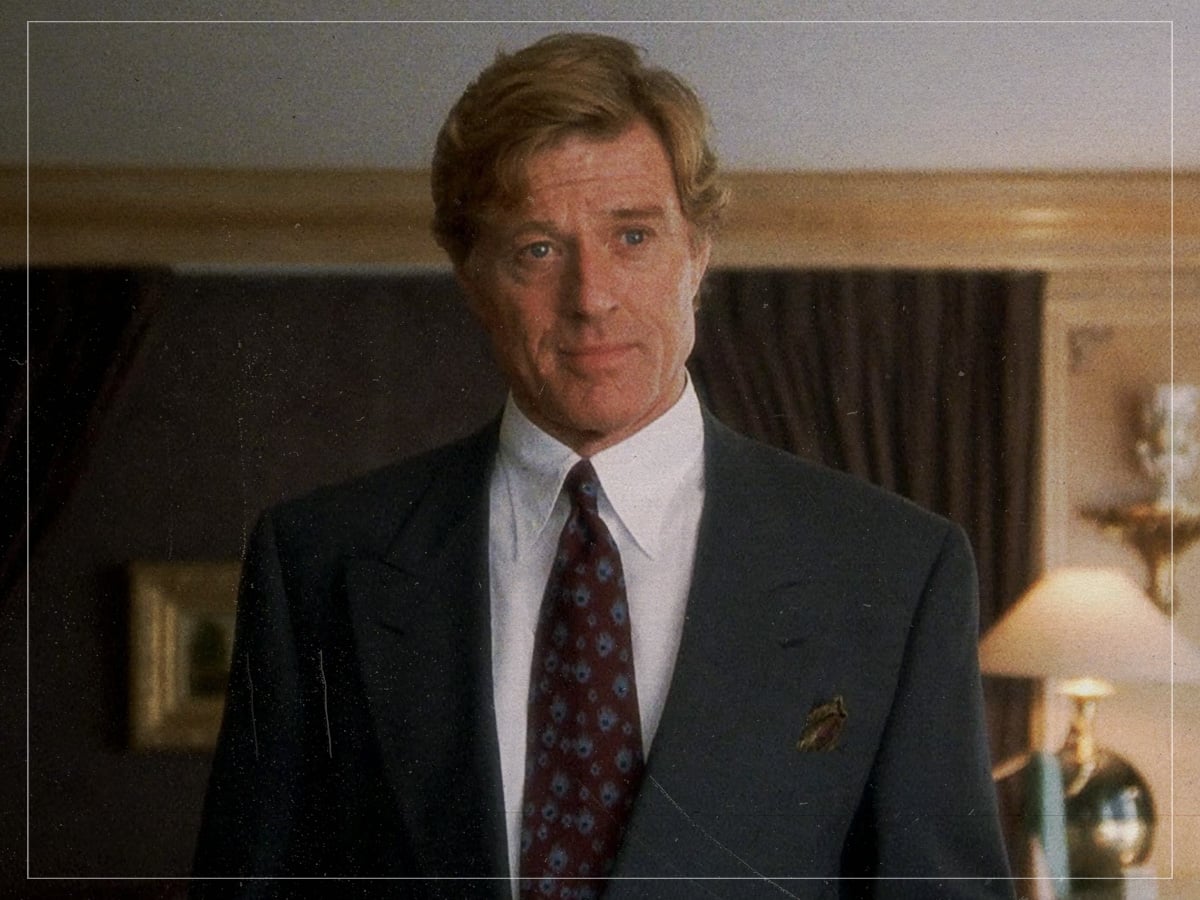
Robert Redford was always the embodiment of cool, but he tended to have a critical role in the creative inception of his films, even if he didn’t direct them all. It was thus a surprise when he decided to go against type by playing a shady billionaire in Indecent Proposal, an erotic thriller made by the genre’s foremost director, Adrian Lyne.
The logline of Indecent Proposal is far more interesting than the movie itself, especially since the performances by both Woody Harrelson and Demi Moore are pretty reprehensible. However, it’s Redford’s casting that works the least because he is simply not believable as a sleazy creep who thinks that he can buy a night with a married woman. Redford had a bit of a comeback in the ‘90s thanks to Sneakers and his directorial efforts, but Indecent Proposal doesn’t hold up at all.
Chris Tucker as Ruby Rhod – ‘The Fifth Element’
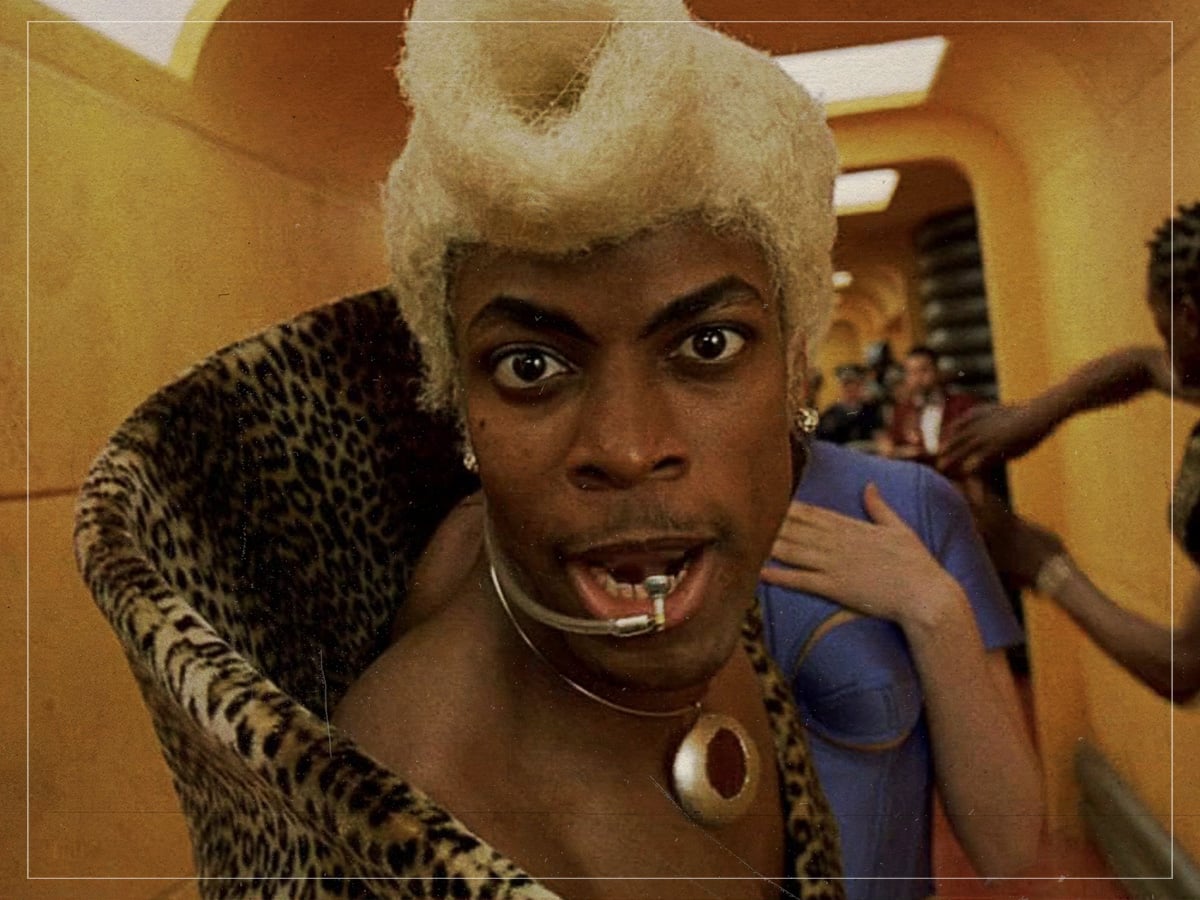
Luc Besson is a complete hack who has coasted on the acclaim for Léon: The Professional to justify a career filled with excess, as just because his work is stylised doesn’t mean that it is good. The Fifth Element is a film that was based on an idea that Besson had as a teenager, and it’s easy to see that, given how sophomoric and ridiculous the world-building is.
The one good thing that can be said about the film is that the performances from Bruce Willis and Milla Jovovich are fun, as they seem to understand what the tone of the film should have been. However, Chris Tucker’s performance as the blabbermouth Rudy Rhod makes Jar Jar Binks look like Michael Corleone; Tucker is an obnoxious presence in nearly every film he is in, but The Fifth Element courts his most insufferable performance.
Michelle Pfeiffer as Louanne Johnson – ‘Dangerous Minds’

Michelle Pfeiffer is mostly blameless for her part in Dangerous Minds, an outdated biopic that was a clear attempt to replicate the appeal of inspirational teacher films like Dead Poets Society and Lean on Me while also trying to capture the audience interested in Black-led coming-of-age hood films like Juice and Boyz n the Hood. The result is a patronising white saviour film about a former member of the United States Marine Corps and Navy who becomes a teacher in a tough neighbourhood, where she tries to teach her Black students using rap and street slang.
It’s not just a patronising film that treats nearly all of its characters as stereotypes, but a really dull drama that is too gritty for kids and far too amateurishly written for adults. It’s the rare instance in which even Pfeiffer’s inherent charisma didn’t do the film any favours.
Kurt Russell as Colonel Jack O’Neil – ‘Stargate’

Kurt Russell is great when he gets to play snarky, colourful characters in the films of John Carpenter, but the ‘90s saw him often get generically typecast as stone-cold, serious action heroes. Russell was convincing as a veteran lawman in Tombstone and a desperate husband in Breakdown, but he was ill-suited to play a bland military leader in Roland Emmerich’s insufferable science fiction adventure Stargate.
In fairness to Russell, Emmerich’s films tend to be so reverential to the military that they’re incapable of showing soldiers who have any flaws, so he can’t be blamed for giving a pretty dull performance. However, the only actor in Stargate who escaped the film with their dignity intact is James Spader, who is at least having fun with his role as a wacky scientist putting together the connection between ancient Egypt and an alien civilisation.
Demi Moore as Meredith Johnson – ‘Disclosure’
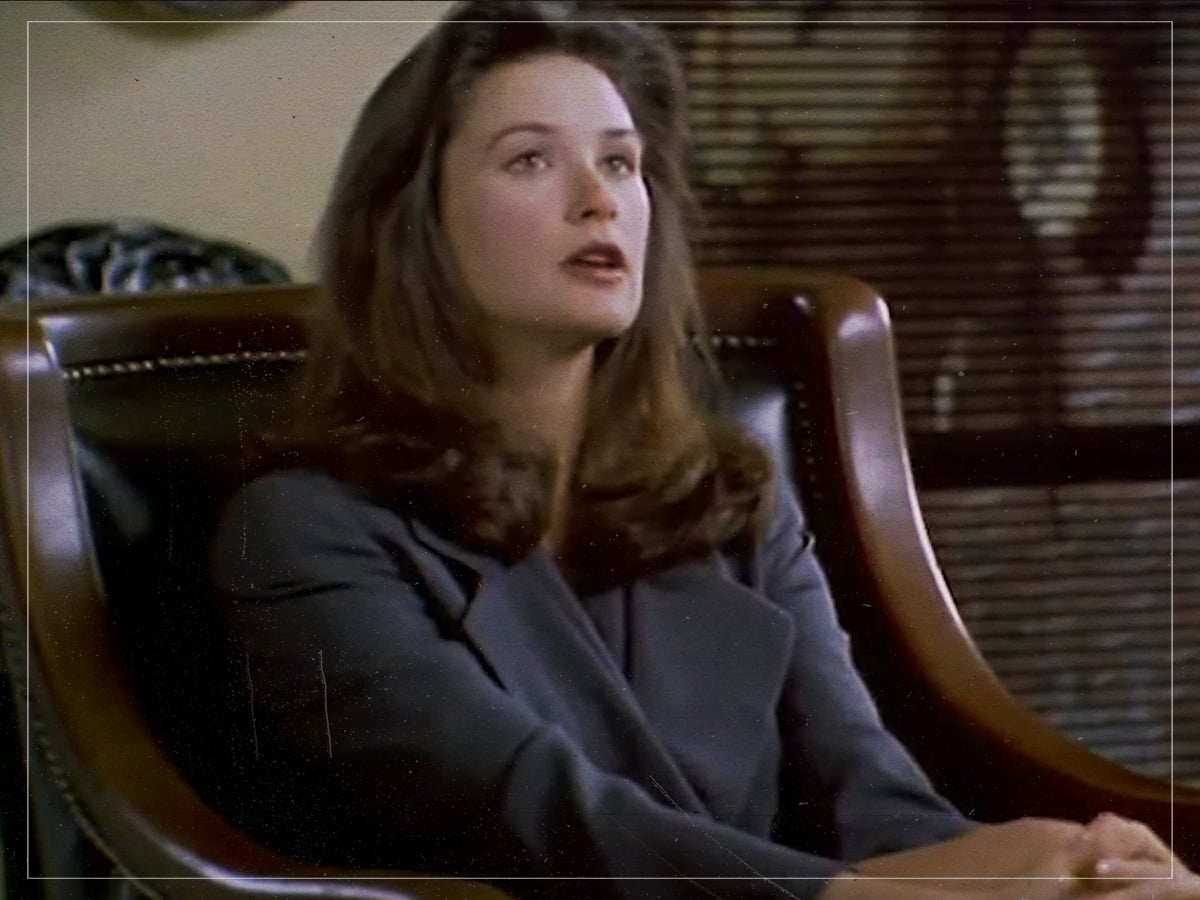
Demi Moore managed to get back within the good graces of many cinephiles thanks to her brilliant performance in The Substance, but it should not be forgotten that she’s not a particularly good actor and has never had the brightest insights about where the industry is going. Disclosure is the embodiment of a film that felt relevant at the time of its release, only to look laughably quaint in retrospect, for it presented the idea of a savvy, aggressive female CEO as being groundbreaking, yet today it feels patronising.
The film’s commentary on reverse sexual harassment leads to an unclear message about a morally dubious character, and Moore’s performance isn’t nuanced enough to justify that complexity. It’s even worse because Disclosure attempted to be cutting-edge with its use of technology within a storyline about corporate warfare, and now feels outdated because of how dramatically the industry has transformed.
Jeremy London as TS Quint – ‘Mallrats’
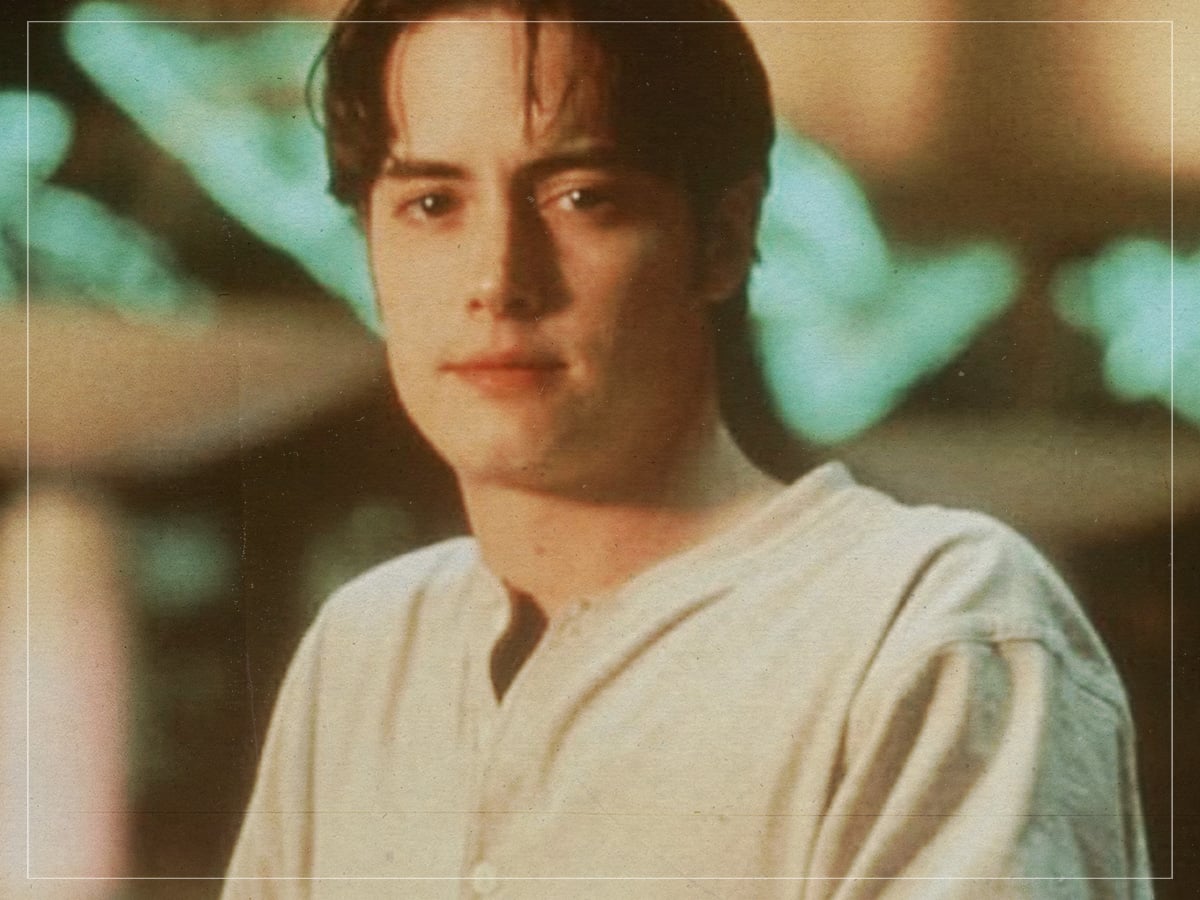
Kevin Smith is responsible for completely transforming and predicting the way that nerd culture and fandom were depicted onscreen, as he captured a realistic style of conversation that nearly all of modern media has ascribed to. Unfortunately, Smith also depicted the type of obnoxious, entitled behaviour from self-professed geeks that would turn internet discourse into a much more toxic place in the next 30 years.
TS Quint in Mallrats is an entitled, unambitious loner who spends the entire film whining about being dumped and trying to use his love of comic books and Star Wars to justify not having original thoughts of his own. The character sticks out like a sore thumb, especially since Jason Lee’s performance as Brodie Bruce is by far the more compelling protagonist in Mallrats, and one of the funniest parts that Smith has ever written.
Sean Astin as Rudy Ruettiger – ‘Rudy’
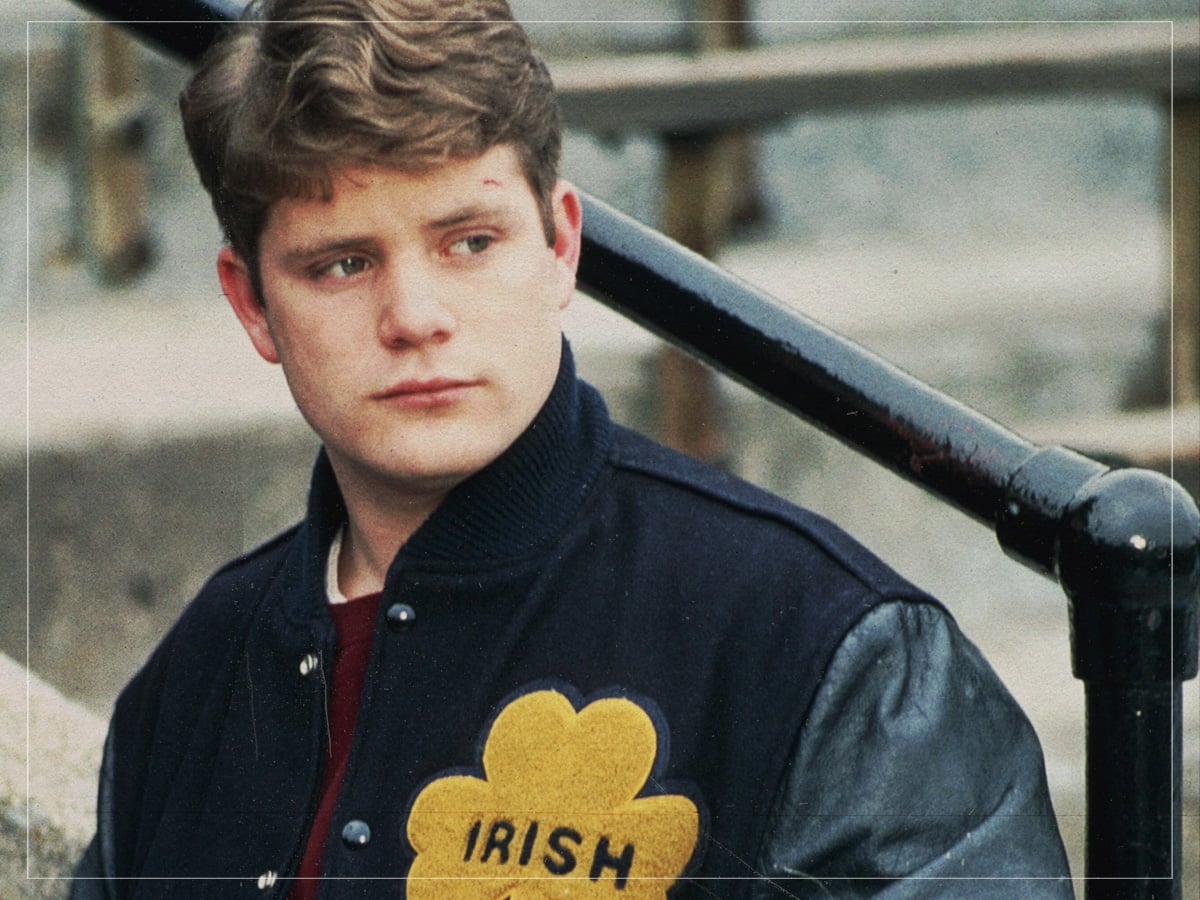
The ‘90s were an excellent decade for sports films. Even though football has never had the cinematic legacy of sports like baseball or boxing, there were some pretty good films in the ‘90s, such as Any Given Sunday, Jerry Maguire, School Ties, and The Waterboy. Rudy was intended to be an inspirational biopic, in the vein of Rocky, about a small kid who dreams of becoming a member of the football team at Notre Dame.
It’s a nice idea in theory, but Rudy consistently shows no self-awareness, gives up doing anything for his family, and stakes his entire life’s worth on whether he will spend a few seconds on the field. It’s not just a bad message to send to kids, but an obnoxious character that not even someone as likeable as Astin could redeem. It’s incomprehensible for those who don’t treat American football as a religiously important event.
Gerard Depardieu as Georges Faure – ‘Green Card’
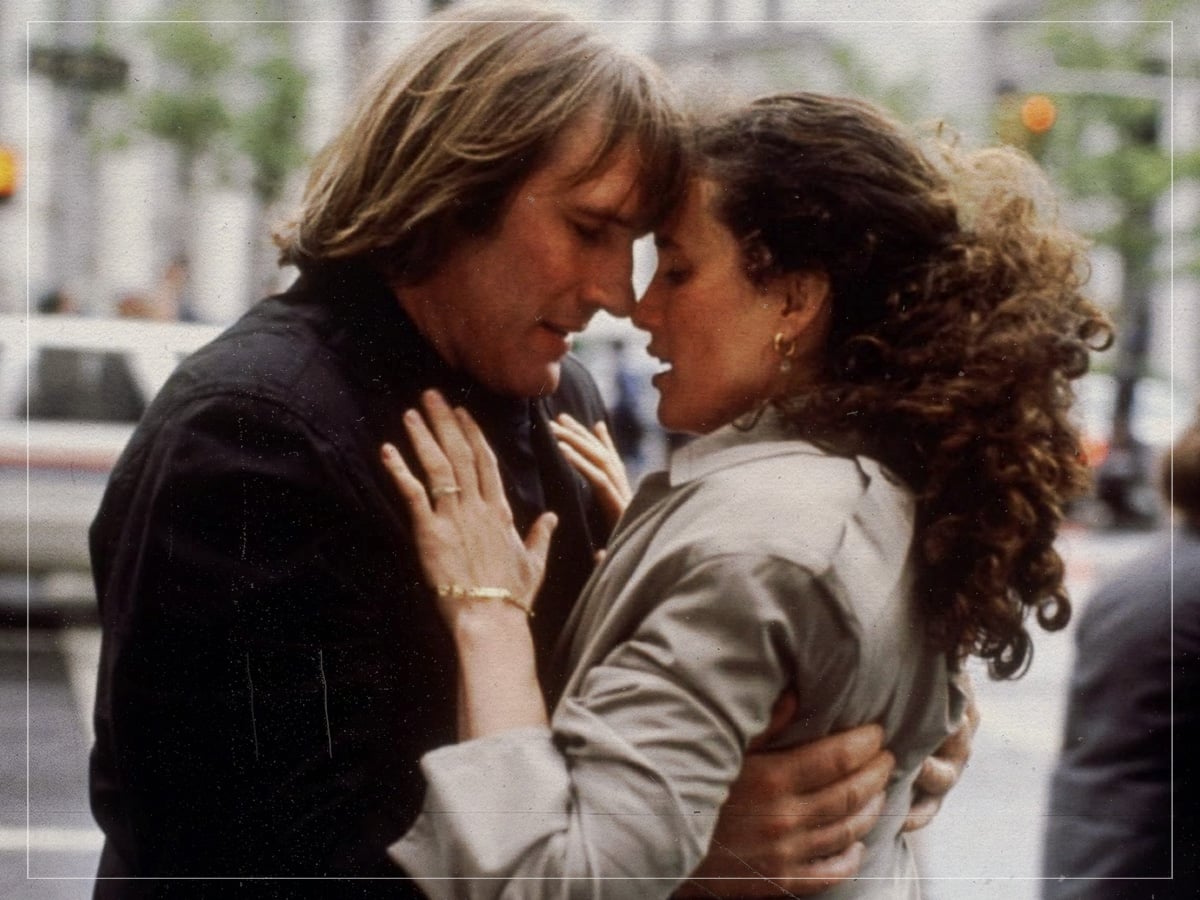
Peter Weir goes to such great lengths to ensure the authenticity and precision of his work that it’s rather surprising that he made a romantic comedy as generic and lifeless as Green Card. The film attempts to find charm within the story of a Frenchman, played by Gerard Depardieu, who has a marriage of convenience to a woman, played by Andie MacDowell, in order to protect their status, but it falls apart for a very simple reason: Depardieu is simply not charming, and his behaviour doesn’t feel like the way that anyone would normally react to this type of situation.
When considering everything that has come out about Depardieu in the aftermath and how little chemistry he has with MacDowell, Green Card is the only film that can be considered ‘bad’ within Weir’s otherwise spotless track record of directorial credits.
