


‘Brothers in Arms’: The 1985 classic rock album that marked the start of music’s glutony era

When CDs were invented in the 1970s and then popularised in the ‘80s, the music world was outraged. The trusty vinyl had been substituted for a glossy, consumerist replacement and ultimately marked the beginning of music’s end.
But now in 2026, CDs may potentially be our saviours, rescuing us from this dystopic streaming reality where music and art have become a transactional commodity as opposed to a physical art form, carefully curated for the listener. Because while it was once a frightfully bite-sized alternative to large vinyl format records, it’s now become a gateway into the past, as the last real physical format before the world turned digital.
But maybe that shows how desperate the situation has become. After all, CDs were slammed for their inferior listening quality, so how low have we stooped to consider the compact disk as the only solution to digitalisation?
As Neil Young once said, “Everything recorded between 1981 and say, 2010 will be known as the dark ages of recorded sound.”
“It’s almost like torture. Digital makes you think that you’re hearing it better than you heart it before [but] you’re hearing a facsimile of it, you’re only hearing the surface of it.”
Neil Young
But the listeners weren’t as robbed as Young might have thought. This new style of pressing opened up opportunities for expansion, thanks to the increased storage capacity of CDs compared to vinyl records. Artists could now release sprawling double albums that gave fans the record itself as well as a handful of bonus tracks, all in one purchase.
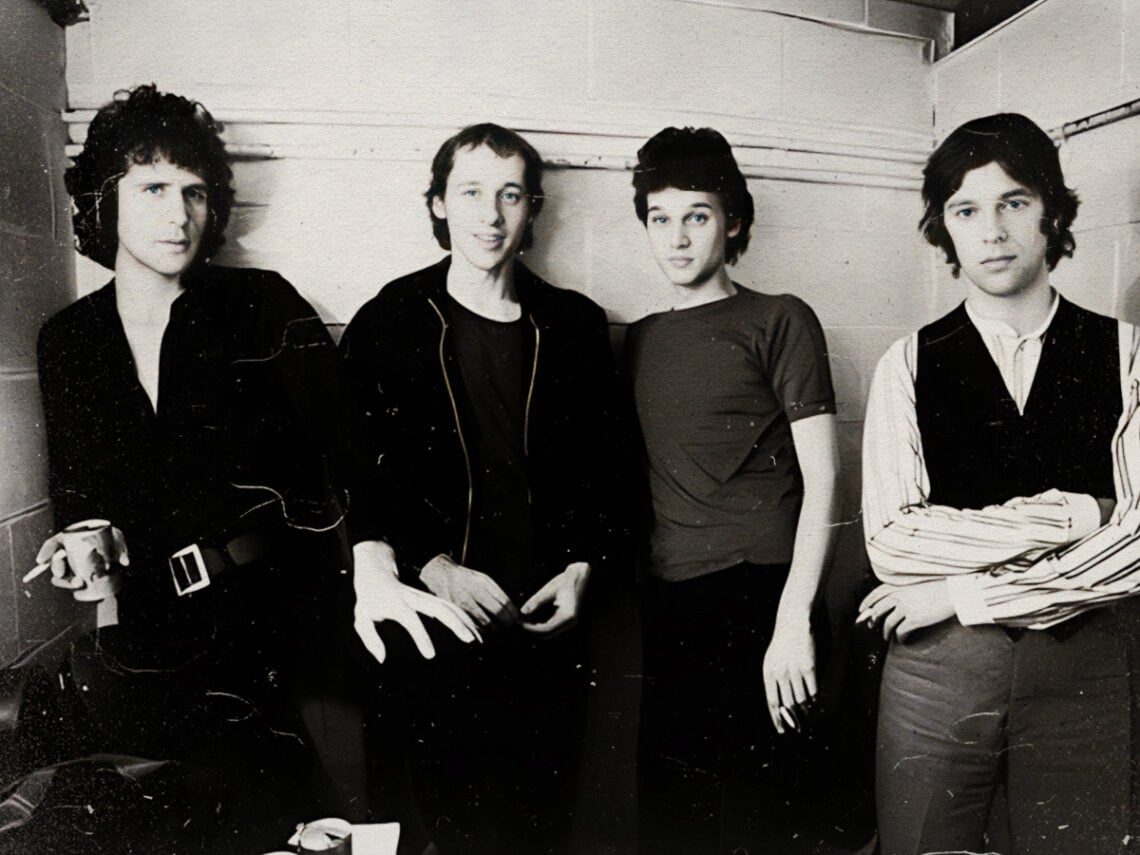
It was Dire Straits who capitalised on this opportunity best, with their 1985 album Brothers In Arms. While the appropriate lead single, ‘Money For Nothing’, mused on the trappings of modernity and all of its materialism made for a great CD-based record, what sat behind it was more than just filler. It was the band, led by Mark Knopfler’s virtuosic approach, carving out their ideas into a succinct musical sound.
The CD allowed them to lengthen the pursuit of their ideas on each song, because there was little to no restriction in terms of run time and how it would affect the entire album. So sprawling guitar solos and spiralling instrumental segues came to the fore, and suddenly, Dire Straits were a musical force to be reckoned with.


The music world clearly had an appetite for this, buoyed by the newfound possibilities as well as the ease of skipping back to the start of a track, without the interference of a needle. ‘Money For Nothing’ could be played over and over again, and the promise of that made the album the first CD to sell upwards of a million copies worldwide, scoring 250,000 just alone in Britain.
The record came three years after CDs had become widely available to the consuming public, and so the success of the record came shortly after the music world had become accustomed to the format. Soon after, it became the leading format for all musicians, after they saw the experimental possibilities it could harness.
