


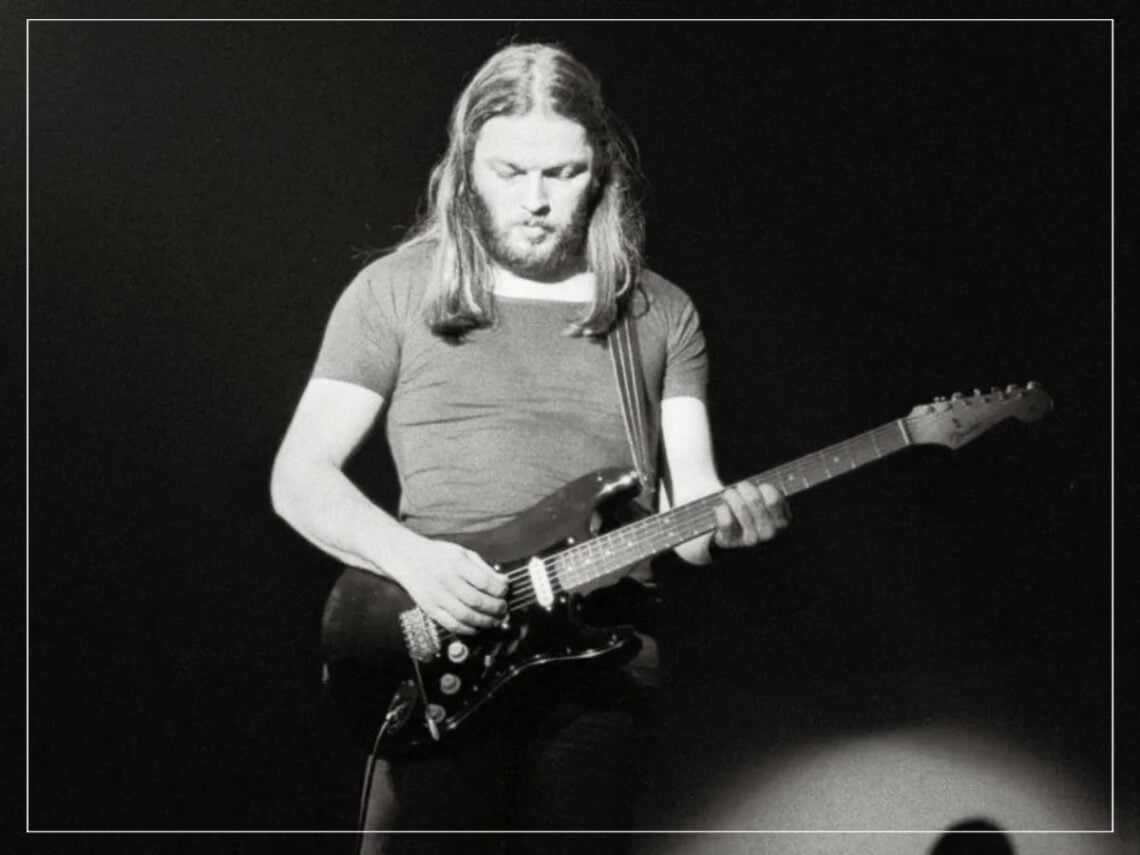
The 1981 show David Gilmour called Pink Floyd’s best: “A great achievement”

Part of what made Pink Floyd what they were always came down to what David Gilmour and Roger Waters could do onstage.
The classic lineup each contributed perfectly to every single show they performed, but if they were going to make something that people would remember, they needed something more than having a bunch of people standing perfectly still with some random light show going on in the background. Gilmour knew that the band was capable of more than that, but he didn’t quite realise what Roger Waters had in mind when putting together some of their masterpieces.
The idea of having a giant floating pig for Animals was definitely a novel idea given the subject matter, but Gilmour needed to take some time before he was ready for those kinds of theatrics. The entire point of the Syd Barrett era may have been about creating the ultimate psychedelic experience whenever they performed live, but Waters was the one who always had to convince Gilmour that it would be boring to just have the four of them playing onstage whenever they went on tour.
But long before Waters hit on his masterpiece, Live at Pompeii was the first time that people got to see what Floyd’s aesthetic was always about. A lot of the concert is basically a greatest-hits setlist of the songs that they had made thus far, but hearing all of them perform in an empty amphitheatre with the dazzling visuals going on around them is one of the best ways to experience the early version of the band, especially the end of songs like ‘A Saucerful of Secrets’ and ‘Set the Controls for the Heart of the Sun’.
When Waters finally hit his stride, though, The Wall was going to be a bigger undertaking than anything they had ever tried before. Rock operas weren’t anything new, but none of them seemed as harrowing as listening to Waters talk about what life was like as a rock star and how someone can slowly be driven mad if they are pushed that one little bit over the edge on a bad night.
The album itself was already hard enough to make and even forced Richard Wright out of the band for a little while, but the live show was where everything came alive. The album itself is still the purest way of listening to the story of the album from start to finish, but by having those massive bricks being laid over everything during the show, and it finally being torn down at the end, was the closest thing to pure theatre that the band had ever experienced.
And even if Gilmour took a while to get the hang of everything, he did look back on the tour as one of his proudest moments live, saying, “For me, The Wall show was terrific fun, and a great achievement. But I had to take on the role of music director, if you like, and deal with a lot of purely mechanical things onstage so that Roger didn’t have to think about them. I had a huge cue sheet up on my amps, because we had all these cues coming up on monitors or on screen and different delay settings which I had to transmit with very primitive equipment to all the delay lines on stage. Very tricky.”


The live album of those tours does at least try to do them justice to a certain degree, but the real highlight of those shows was hearing them add in different songs. ‘What Shall We Do Now’ is one of the best songs from the show, which is insane that they left it off the album, and even when they are stalling for time during the show like ‘The Last Few Bricks’, it does create a strange ambience knowing that Pink is beginning to isolate himself from everyone close to him.
The whole thing was surely a spectacle to see live, but the fact that Gilmour and Waters never got on the same page was the real price that they had to pay once the audience applauded for the last time. But it’s still a real achievement for a band to make a live show so theatrical that it almost makes you forget that it’s what broke them up.
