


The 1980s artist Rick Rubin never wanted to become: “I try not to fall into that trap”

Rick Rubin didn’t envision staying in one lane through the entirety of his career.
His work as a producer meant going in a bunch of different directions, and if he continued down the road of being a hip-hop producer for the rest of his life, chances are we would have never seen what brilliant songs he could get out of Johnny Cash or pushing Tom Petty to create tunes like ‘Wildflowers’. He was the one who was coming up with all of his songs from a fan’s perspective, and there was nothing he hated more than becoming stagnant whenever working on a project.
He was always looking for music that excited him, and while he didn’t know all the specifics or band dynamics whenever he made a record, he still wanted the chance to break down everything that he was trying to get out of a certain band. That’s a bit difficult when you don’t play any instrument, but Rubin’s sixth sense is knowing when the vibe feels right for any particular song and letting the band run with it.
That kind of style might have been enough to drive Corey Taylor up the wall when he worked with Rubin, but that kind of laid-back demeanour does mean letting the music breathe a little bit more. Rubin didn’t want to get in the way when Slayer made Reign in Blood the same way that he wanted Chuck D to do his thing in Public Enemy, but that’s not what the producer’s role was when he started out.
All the biggest names in rock and pop at the time always had a supersonic sheen to the way that they recorded. Mutt Lange had worked wonders for AC/DC when he first began cutting some of their tunes on Highway to Hell, but on the other side of the spectrum, there were songwriters like Desmond Child who ended up making every one of their tunes sound a lot more pedestrian whenever they wrote them.
Then again, that language was far different from typical rock and roll. The idea of building a track bit by bit until it was technically perfect wasn’t a bad way of going about making a record by any stretch, but for someone who relies on feel as much as Rubin does and getting the sense of everyone playing together in a room, he felt that kind of processed sound was everything that he was against.
He could admire the craftsmanship, but he didn’t think for a second that he was going to make the kind of records that the 1980s trio were doing, saying, “The artists are interchangeable. Desmond Child – I think all of his records sound the same, whether it’s Alice Cooper or Bon Jovi singin’ them, it’s a Desmond Child song. I try not to fall into that trap because I think it’s limiting. I think it’s short term.”


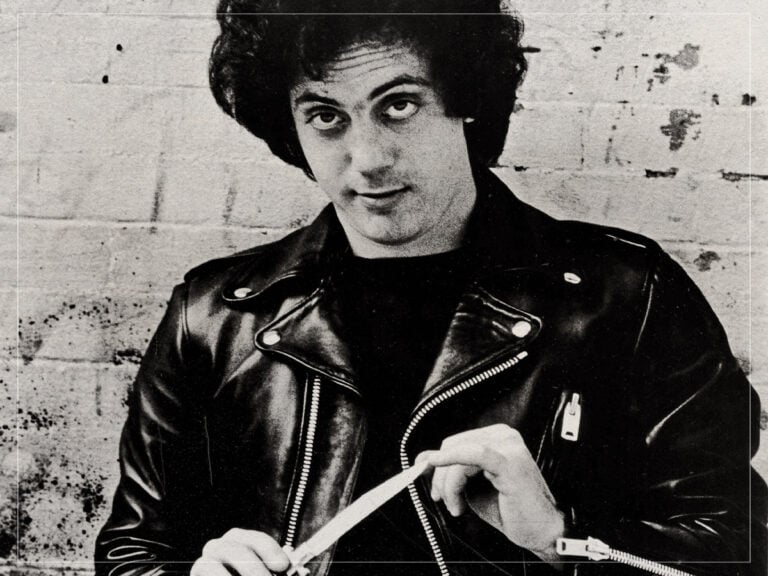
Child might be the clearest example of that kind of model working over time, but it’s not like you can’t see his songwriting tactics on display in every tune he ever made. ‘I Was Made For Lovin’ You’ helped him get his foot in the door whenever he worked with Kiss for the first time, but by the time that Aerosmith began making their next bid for superstardom, Child’s way of constructing songs was a lot different than what Rubin was doing when he worked with Stveen Tyler and Joe Perry for Run-DMC’s ‘Walk This Way’.
Any producer would want to have their calling card the same way that a musician wants their typical sound, but Rubin wasn’t about trying to leave his mark on every record he made. He liked the idea of being a musical advisor every time he made a record, and even if he was the one who helped the band capture that feeling on record, he’s happy to have been the person who inspired it rather than created it.
