


The 1977 album David Gilmour called Pink Floyd’s answer to punk: “A bit more aggressive”

During punk’s prime, you couldn’t think of a more pompous group than Pink Floyd if you tried.
The minute that John Lydon was caught wearing a shirt saying that he was disgusted by the group, it didn’t exactly take a rocket scientist to see Roger Waters’ extravagant tales as everything wrong with what rock and roll stood for. Still, the prog giants could adapt to the trends, and David Gilmour thought that the closest thing to punk they ever did came on Animals.
Granted, Gilmour was always looking for new influences since before punk had even started. Sure, a lot of punk bands were criticising acts for becoming far too pampered for their liking, but Gilmour was the one still looking for new talent, even managing to find a future superstar when he heard Kate Bush for the first time.
By the time they started work on Animals, they had already been through the wringer with their record company. The promotion for Dark Side of the Moon had helped send everything through the roof, but the sudden shock of fame made things much more uneasy when they started on Wish You Were Here.
Outside of being absolutely exhausted, the group’s tribute to former member Syd Barrett was a lot more critical of the rock and roll system, with ‘Welcome to the Machine’ almost being a warning for anyone attempting to get a record deal. But Animals was a different beast, or pig, in this case.
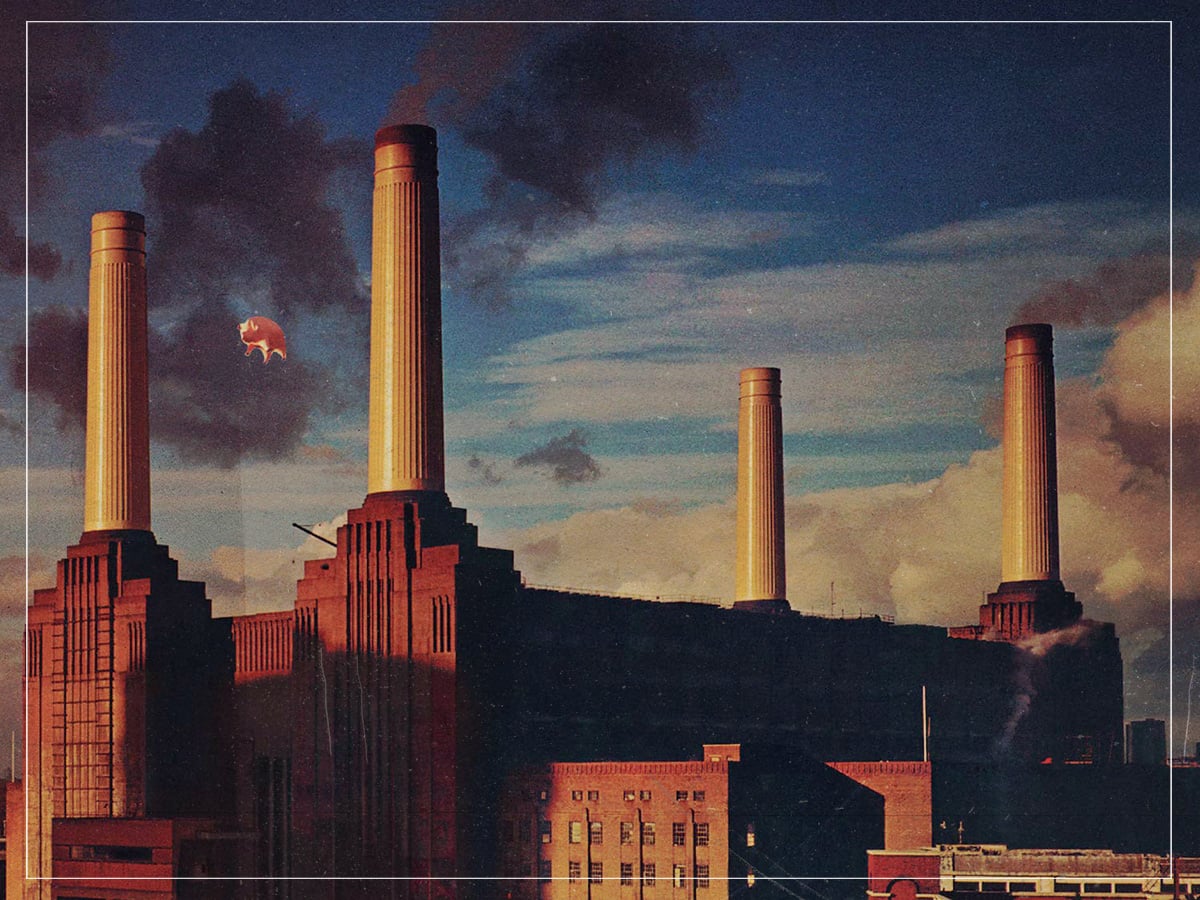
Part of what gave Animals its bite was the atmosphere surrounding the band during its creation. By 1977, Pink Floyd had become one of the biggest groups on the planet, but the scale of their success had left Waters increasingly cynical about fame, capitalism and the growing disconnect between artists and audiences. That frustration seeped into every corner of the record, giving it a harsher and colder edge than the cosmic introspection of Dark Side of the Moon or Wish You Were Here.
The music reflected that aggression as well. Gilmour’s guitar tones on tracks like ‘Dogs’ carried a sharper, more abrasive quality, while Nick Mason’s drumming abandoned some of the jazzier looseness of earlier Floyd records in favour of something heavier and more mechanical.

Even though the songs stretched past the ten-minute mark, there was very little of the whimsical experimentation associated with early progressive rock. Animals traded fantasy for confrontation, which is partly why it continues to resonate with listeners long after the initial punk explosion faded away.
Using Animal Farm by George Orwell as a template, Waters sculpted the kind of album that took aim at all those in power who wanted to take as much from the lower class as they could. Regardless of the style and the sheer length of every track, songs like ‘Dogs’ and ‘Pigs’ are the perfect middle finger aimed back at those who want nothing more than to count their millions as they watch people struggle to make a dollar underneath them.
For all of the punk music going on at the same time, Gilmour thought that this version of the Pink Floyd had more in common with what was going on on the street, saying, “I really like it. It was sort of, I think, slightly influenced by the punk era, if you like – the Pink Floyd punk album. It was certainly a bit more aggressive than some of the other ones we’d previously done. But it’s a good album for me – I like it a lot.”
It’s not like their comments were that far off the mark. While Lydon could wear any shirt he wanted, tearing the band down, talking about the injustices of the world and how they relate to the common man is closer to something that you would find The Clash saying later on in albums like London Calling.
Pink Floyd wasn’t even the only band who wasn’t afraid of turning towards punk, with Canadian icons Rush later adopting the same kind of new wave styles when working on albums like Permanent Waves. Prog and punk are usually seen as mortal enemies, but any artist willing to progress their music owes it to themselves to try as many styles as they can.

Never Miss A Beat
The Far Out Punk Newsletter
All the latest Punk content from the independent voice of culture.
Straight to your inbox.