


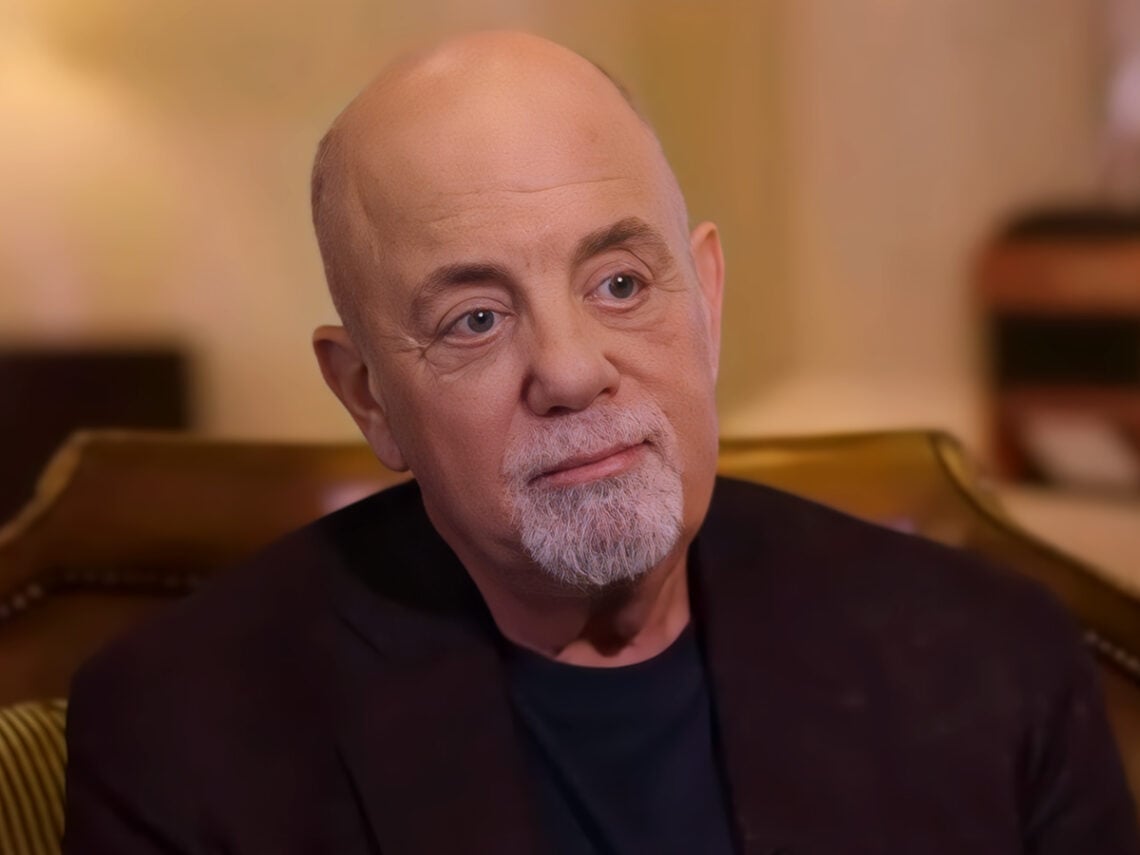
The 1976 album Billy Joel wanted to be “the sound of the apocalypse”

It takes a certain amount of musical depth to be able to write in the same style as Billy Joel.
‘The Piano Man’ never claimed to have written the deepest songs in the world, but you could hear a lot of the experience that he had learned in every single classical composition that he could master whenever he put together some of his finest works. The average rock and roll fan wasn’t usually planning on making something that sounded as lush as what he did, but not everything was sunshine and roses whenever he got behind the keyboard, either.
In fact, a lot of Joel’s songs in the early days seemed to come from a place of frustration half the time. There are still the tunes that we all love to sing, but some of the biggest tunes that he ever made were about getting something off his chest. Sometimes it would be his love for his wife, but other times he would be telling someone off on a tune like ‘You May Be Right’ or clapping back at his record label for cutting down his songs on tunes like ‘The Entertainer’.
But long before The Stranger came out, Joel was still struggling to find the right tune to take him to the next level of performer. His entire career seemed launched by recording ‘Piano Man’, but after getting paid for that song every single time he played, everyone seemed to be looking for the next big hit out of him so that they could earn some kind of profit. And while Turnstiles is a great album from that time, it’s not really concerned with being the kind of record that is chock full of hits.
For one thing, a lot of the songs on the record are way too long to have been singles, but that doesn’t mean that they don’t have something to say. There are a few experiments like fiddling around with a reggae rhythm on ‘All You Want to Do is Dance’, but a lot of the characters in these songs are clearly going through rough patches in their lives. ‘James’ doesn’t know what he wants to do, and while ‘New York State of Mind’ is a fantastic song, it does have an ominous feel to it compared to Sinatra’s ode to the Big Apple.
Joel really needed a hit at this point, but a lot of the inspiration behind the album was seeing New York City fall apart. He knew that the economy wasn’t doing well around that time, and after spending so much time in California trying to make a name for himself, Joel figured the best thing to do was make his way back home and write the songs that reflected what every New Yorker felt.
It truly did feel like the end of the world and Joel wanted to capture that feeling in his music, saying, “New York turned to the Feds saying, ‘Can you help bail us out’, and there was a famous headline that said: ‘Ford to New York: Drop Dead’. I remember seeing that headline [when] I was out in LA and I said, ‘I’m going home.’ If the city’s going down, I’m going down with the city. ‘Miami 2017’ was meant to be the sound of the apocalypse in New York City.”
But in between the melancholy is a lot of tunes that tend to fall by the wayside of Joel’s discography. Aside from ‘New York State of Mind’, none of the tunes were massive hits, but the vision of the apocalypse in ‘Miami 2017’ is almost like reminiscing on the era when the times weren’t so bad and trying to remind everyone that came after Joel that things can get better as they can hold onto their own sanity half the time.
This wasn’t a cheery time by any means, but even if it looked like the hits were a long way away, Joel wasn’t going to apologise for standing by the city that helped raise him back in the day. He wanted the chance to make music for the people, and if the Feds weren’t going to give them any sort of help, he was going to try and comfort his home in the only way that he knew how.
