


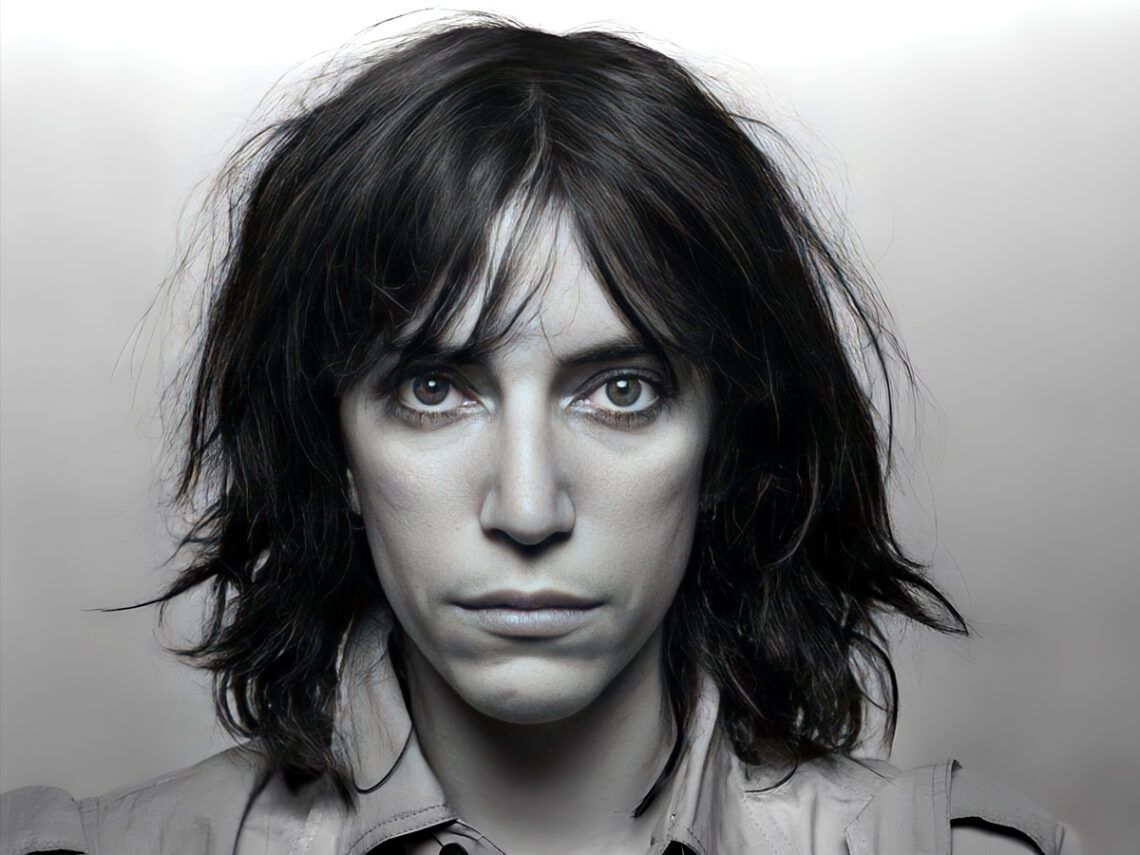
The 1975 lyric Patti Smith said everyone gets wrong: “That line was widely misinterpreted”

As someone who has so frequently been labelled as the original ‘punk poet’, it ought to be expected that Patti Smith would be the sort of person to write a line with the power to completely subvert expectation and shock people.
While she had been impressing audiences in her adopted home of New York City in the early 1970s, it wasn’t until 1974 that she truly announced herself to a wider audience with her debut single, a split of ‘Hey Joe’ and ‘Piss Factory’. Live performances at iconic clubs such as CBGB and Max’s Kansas City would have opened the eyes of many other New Yorkers to the individuality of Smith, and it wouldn’t be too long until wider audiences were taking note.
This is, of course, a pretty impressive way to kick things off, but it also gave people the opportunity to make presumptions about the sort of person that Smith was, her personal life and beliefs, all based around the lyrics that she was including in her songs. Not all of them were direct, and some required a little dissection for people to understand, but soon, a generalised image of all the things that made up Smith as an artist would form.
People would dig further into this when she released her instant classic debut album, Horses, in 1975, with listeners constantly trying to ponder over her lyrics to make sense of the person behind them, all the while ignoring the fact that they were purely intended as poetry and nothing else.
However, one song in particular caught the attention of listeners for its introduction of a particular topic, especially given the context in which it appeared. While some people were immediately able to understand it the way Smith had intended, she noted in a 1997 interview with The Australian that there had been several major instances where people misconstrued the meaning behind them.
The album’s opening track, ‘Gloria’, is a reworking of the 1964 song written by Van Morrison for his band, Them, but with some of Smith’s own words added to it, and with her decision to include the opening line of “Jesus died for our sins, but not mine,” caused listeners to begin questioning exactly what Smith was getting at, or if they’d completely misinterpreted her as a person.
“That line was widely misinterpreted by people who thought I was atheist,” she divulged. “All I was saying was that I was young and wanted to be free. I’ve always found Jesus an interesting person, but I didn’t want him dogging me when I was young.”

Smith would go on to further explore the concepts of God and religion on her later albums, particularly on her Todd Rundgren-produced fourth album, Wave, which has some of the most overtly religious imagery of her career inserted into the lyrics.
Of course, it’s just lyrical exploration, and with it being introduced as a theme she was fascinated by on such a powerful song, it was bound to both cause a stir, but to also inform a large amount of what she wanted to look at going forward.

Never Miss A Beat
The Far Out Punk Newsletter
All the latest Punk content from the independent voice of culture.
Straight to your inbox.