


The 1972 album that became Robert Smith’s mantra for being a rock star

Robert Smith, the answer to the question of dark, gothic punk music has some influences more obvious than others. Perhaps most understandably, The Cure’s sound was coordinated by the burgeoning punk scene of the 1970s.
“The two groups that I aspired to be like were the Banshees and the Buzzcocks,” Smith once told Uncut. “I really liked the Buzzcocks’ melodies, while the great thing about the Banshees was that they had this great wall of noise, which I’d never heard before. My ambition was to marry the two.”
While Smith managed to successfully merge these two punk sounds in his early work with The Cure, there was much more at play. As the iconic frontman has revealed over the decades, he greatly admires some of the prominent rock acts of the late 1960s and ’70s.
That wider palette of influences is part of what makes The Cure so difficult to pin down. While many of their contemporaries stayed within the rigid boundaries of punk or post-punk, Smith was quietly absorbing everything he could, pulling from different eras and styles to build something far more fluid and emotionally expansive.
It’s also why The Cure’s evolution feels so natural in hindsight. The same band that could deliver stark, minimalist gloom on one record could pivot to lush, melodic pop on the next without it ever feeling like a betrayal of their identity. Those classic rock touchstones didn’t dilute their sound, they gave Smith the tools to stretch it in directions that most of the punk scene would never have dared to explore.
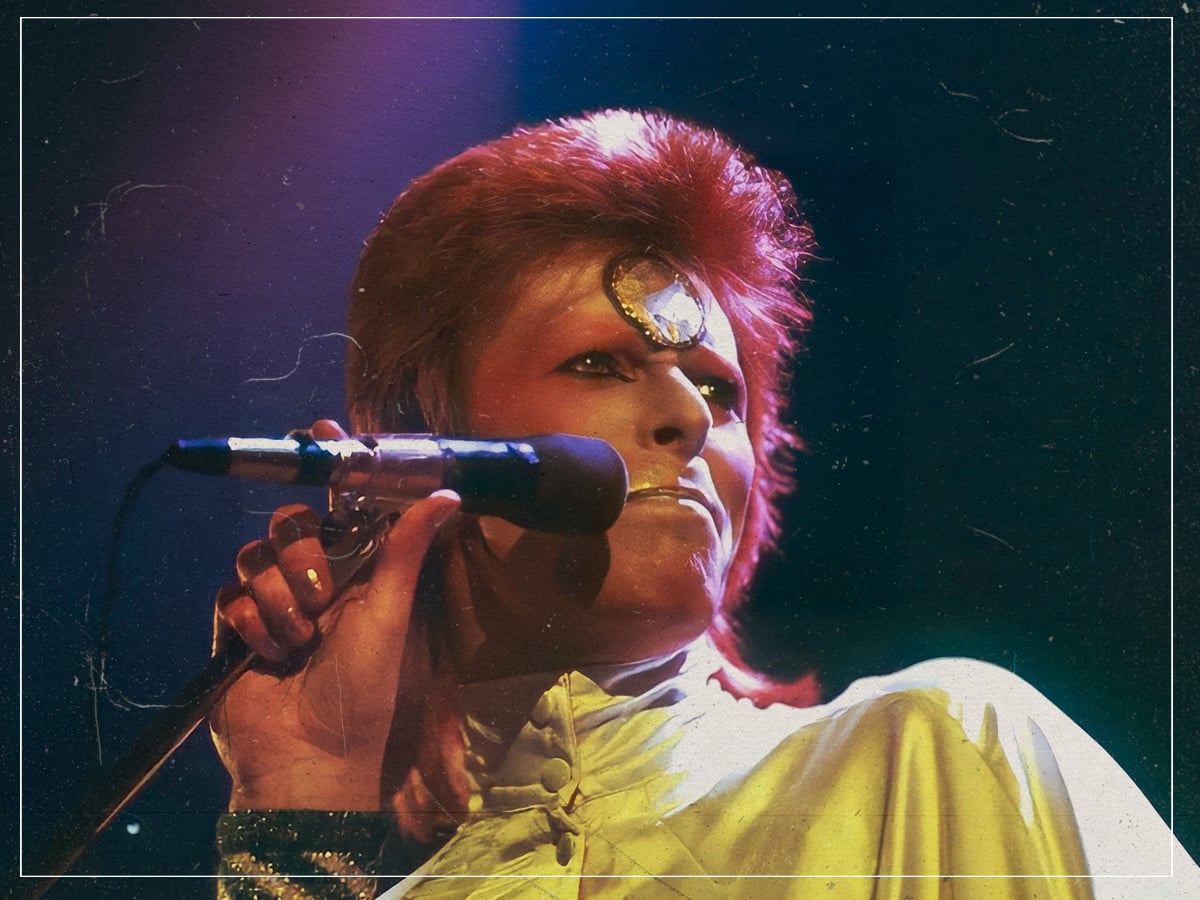
Smith has long mentioned his love for guitar hero Jimi Hendrix. The Cure’s original lineup formed in mutual appreciation of the late virtuoso and even covered ‘Foxy Lady’ their debut album.
Another early influence of Smith’s was the Irish group, Thin Lizzy. “Thin Lizzy, they were fabulous”, Smith told Rolling Stone in 2004. “I saw them probably ten times in two years. The actual sound of them live was just so overpowering, it was better than drinking.”

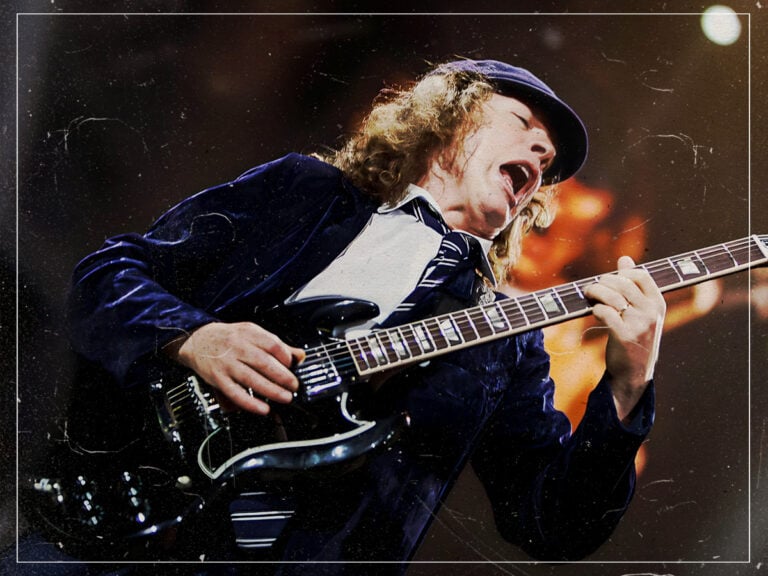
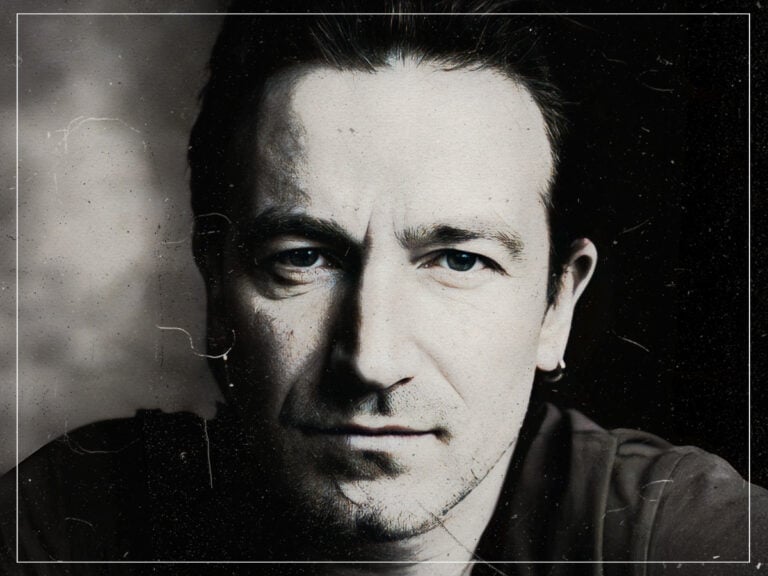
From this era, Smith also greatly revered the creative chameleon, David Bowie. In fact, Bowie’s 1972 breakthrough album, The Rise and Fall of Ziggy Stardust and The Spiders From Mars, was the first record the Cure’s makeup-clad frontman ever bought.
“Bowie was the first artist that I felt was, you know, he was mine, he was singing to me. He was the first album I ever bought; Ziggy Stardust was the first vinyl album I ever bought,” Smith once said in an interview. “I always loved how he did things as much as what he did. I love that idea of being an outsider and creating characters.”
“I look back at some the things we’ve [The Cure] done, and I can see echoes of some of Bowie’s stuff in it,” he added. “I got my dream come true when he invited me to sing with him at his birthday in New York. That was a fantastic night, unreal actually for something like that to happen.”
The performance Smith refers to above was Bowie’s famous show at New York’s Madison Square Garden in celebration of the Starman’s 50th birthday in 1997. During the performance, Bowie addressed the audience: “This is a friend. A guy from England with… one of the best, I think most eccentric, British bands. I’ve been a huge fan of theirs for years. This is Robert Smith from the Cure.”
With Smith on stage, the pair performed Bowie’s ‘The Last Thing You Should Do’ and ‘Quicksand’. Watch below.
