


The 1971 prog masterpiece, Geddy Lee and “the greatest bass parts ever written”

From day one, Rush looked to stomp out the competition and leave any other prog-rock band in their wake.
Although Geddy Lee is best known for his searing voice when playing with the progressive heavyweights, the star of every Rush show was his bass playing, playing massive runs and flexing impressive chops that could even give drumming god Neil Peart a run for his money. While Lee is happy to take his music in every direction, he would be nothing without one bass player coming before him.
If there were ever a musician who invented lead bass playing before Lee, though, it would have to have been John Entwistle from The Who. Even though acts like The Beatles and Led Zeppelin may have had impressive bass lines in their classic tracks, Entwistle was the one who brought the bass to the forefront of the band’s sound, practically playing the instrument like a lead guitar across songs like ‘The Real Me’ from Quadrophenia.
As Entwistle expanded the bass vocabulary, the progressive revolution was just getting underway. While the rest of the rock world was still limited to the traditional bluesy foundation of most other rock songs, progressive acts sought to channel the sounds of any genre that would suit them, whether classical, jazz, or anything in between.
At the heart of that shift was a new approach to the instrument, one that rejected the idea of bass as a purely supportive role. Players began pushing it forward in the mix, using tone, phrasing and complexity to turn it into a defining voice within the band rather than a background element.
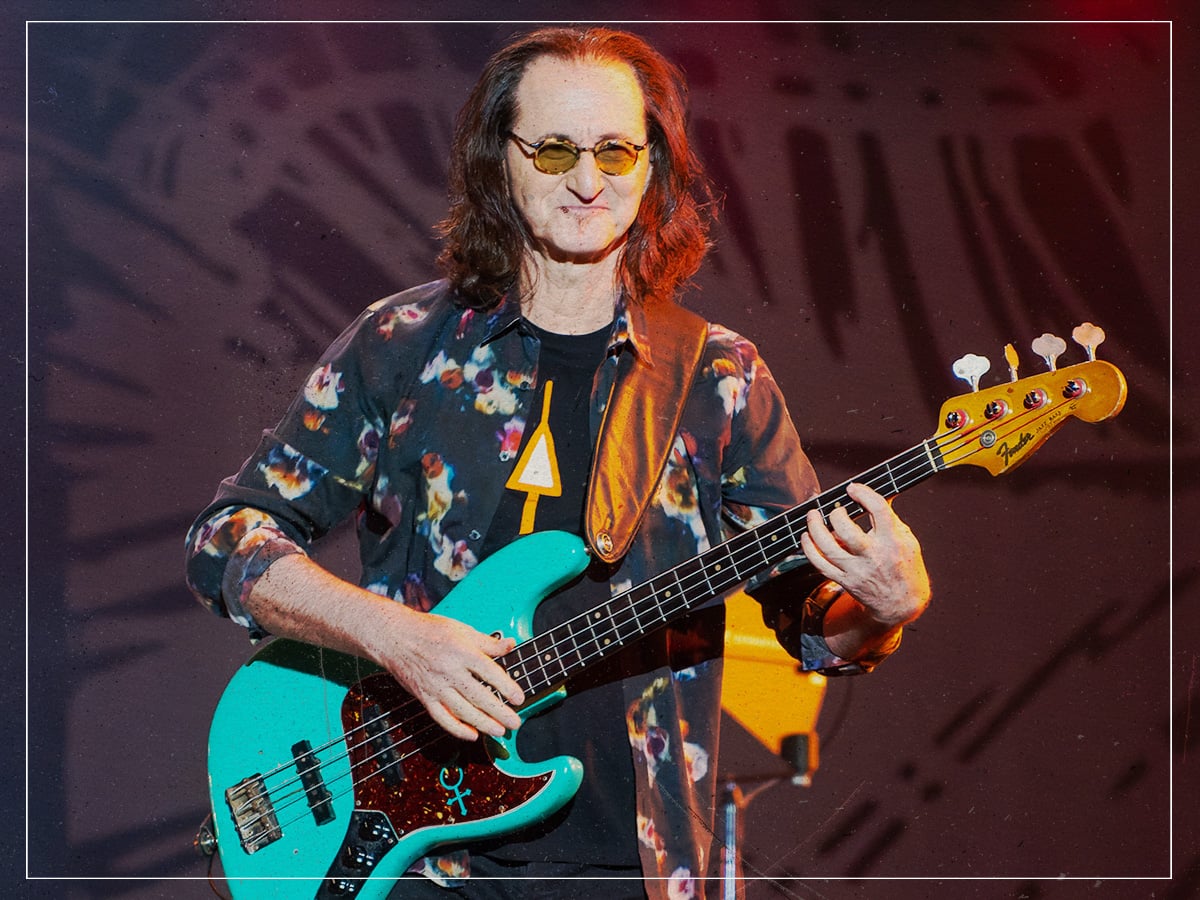
This evolution found one of its most complete expressions in Yes, where Chris Squire redefined what a rock bassline could achieve. His playing didn’t just underpin the music, it propelled it, giving the band a distinctive edge that would leave a lasting impression on the next generation of musicians, including Geddy Lee.
In the middle of that revolution stood Yes, featuring one of the greatest bass players of all time, Chris Squire. While it took the band time to find their sound, Squire’s bass was always at the very front of the mix, driving the song along as Jon Anderson’s voice and Steve Howe’s blazing guitar steered them to one great sonic adventure after the next.

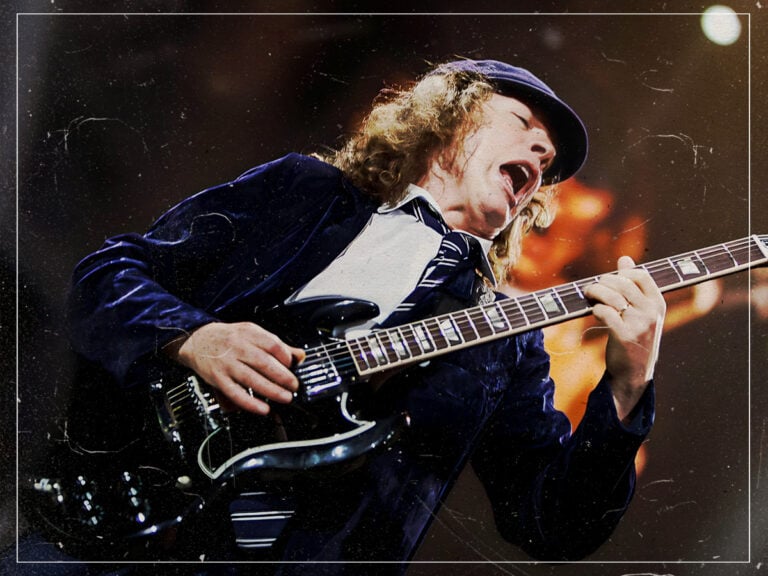
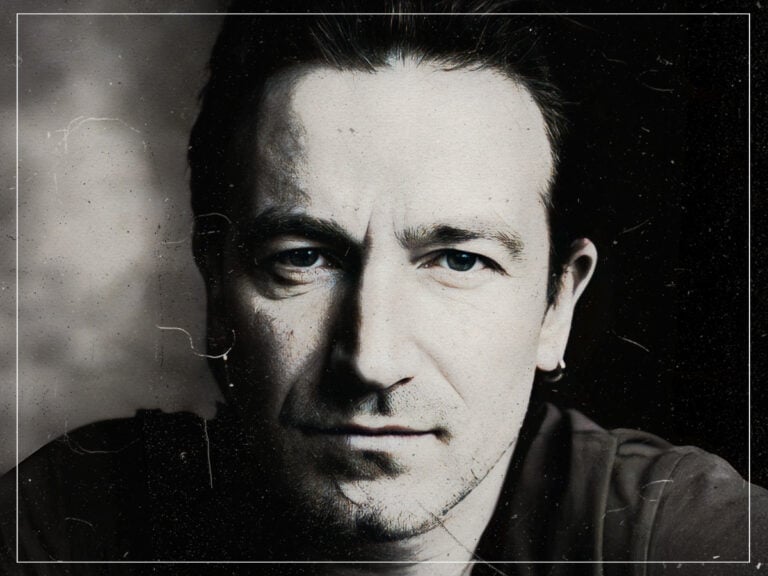
When going through the most incredible bass lines he had ever heard, Lee was still knocked out by what Squire had done with ‘Roundabout’. While the track became one of the biggest Yes tunes, it was never meant to be commercial with a runtime spanning over eight minutes and featuring different samba-like sections alongside fantastic tempo changes.
When asked which song he would love to play, Lee was adamant about the power behind Squire’s driving bass on the song. After playing it with the band during their induction into The Rock and Roll Hall of Fame, Lee remembered being knocked out the same way he was when he was a kid.
Explaining the complexity of the bass part, Lee told uDiscover in 2019: “It put me in mind about how much that song meant to me, and how rare it is to find a song that; A) was a big hit single, B) was a complicated song by a complicated band and C) was led by the drive and the sound of that bass part. So to me, it’s one of the greatest bass parts ever written for a rock song”.
Listening to the basic track of the song, it’s easy to see where Lee got most of his bass-playing chops come from. Much like early Rush records, Squire’s bass is incredibly bright-sounding, putting the treble up on the guitar and playing with a pick to get the distinctive smack on the bass. Although Lee could have achieved the same results from just using his fingers in Rush, this was a result of a musical education that no one could have read about in a book.
